 English
 русский
 Español

A
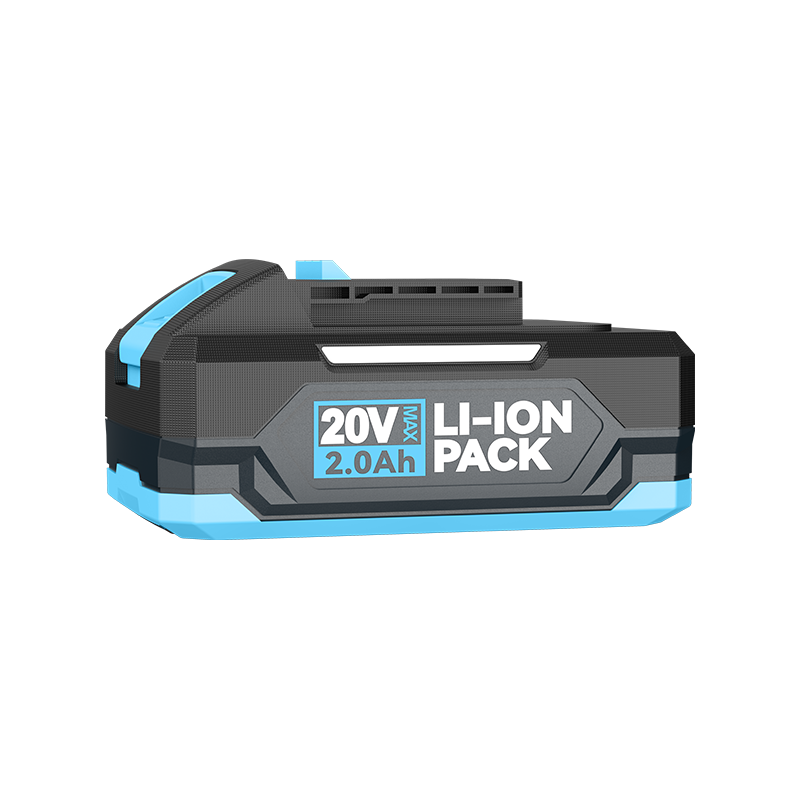
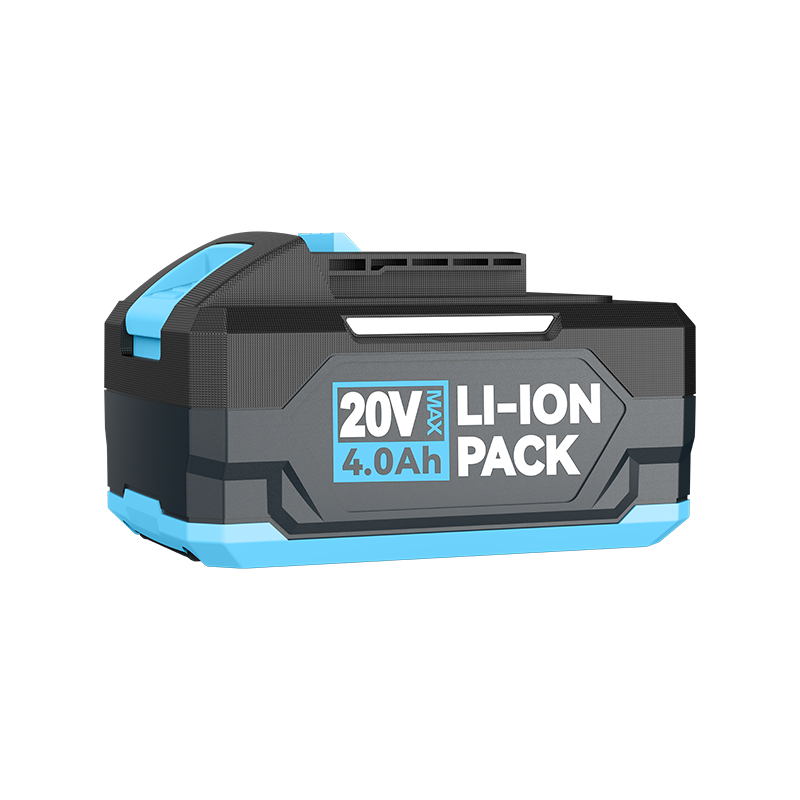
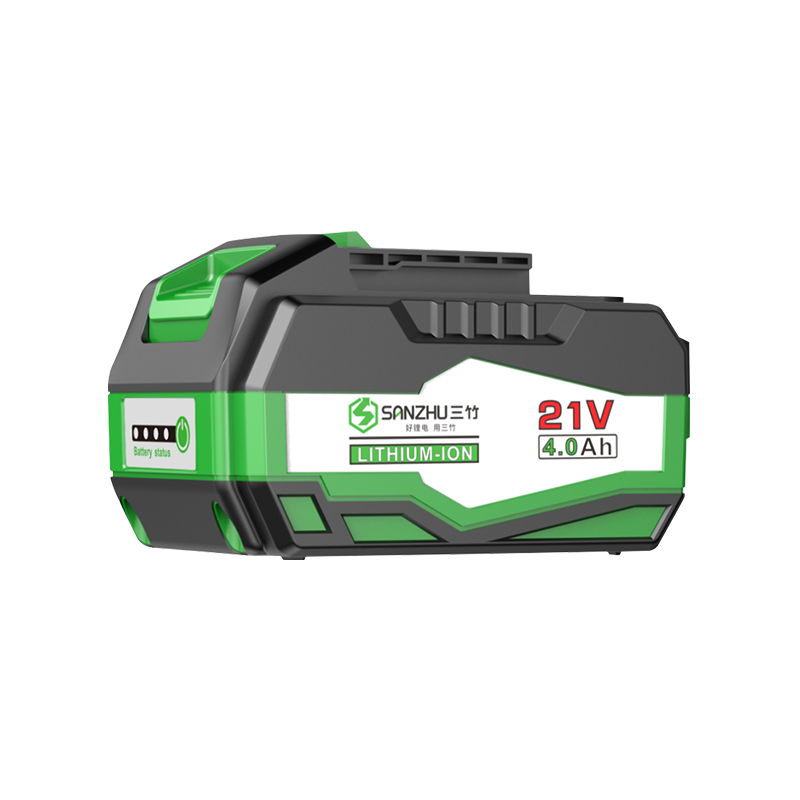
Battery Supplies Electrical Energy
The battery sends power through the electronic control system. Voltage, cell condition and battery discharge capability influence the available motor output.
Content
2026-07-15
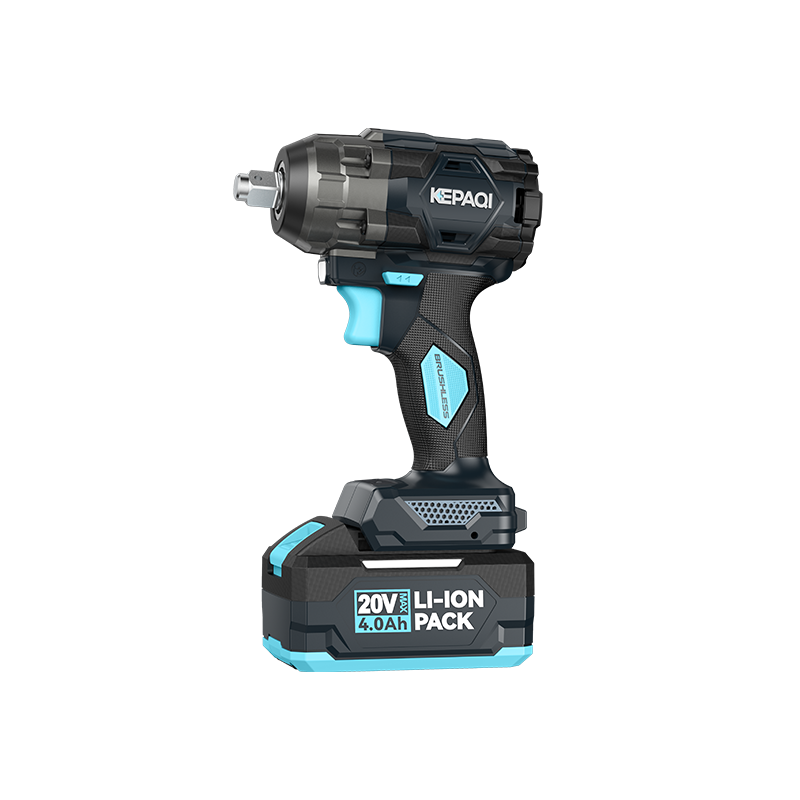
A Cordless Impact Wrench is a battery-powered fastening tool designed to tighten and loosen nuts, bolts and other threaded connections with a combination of rotational force and repeated impact action. It is widely used for automotive maintenance, mechanical assembly, steel construction, equipment servicing, agricultural machinery and installation work.
Unlike an ordinary drill or driver, an impact wrench produces short, powerful torque pulses when resistance rises. This working principle allows the operator to handle larger fasteners without continuously absorbing the full reaction force through the wrist. Tool performance still depends on motor design, impact mechanism, battery voltage, socket size, fastening condition and torque control.
An impact wrench is a powered socket tool that stores energy in a rotating mechanism and releases it through repeated impacts. The output shaft transfers these impacts to a socket, producing higher fastening or loosening force than a conventional handheld ratchet.
Common configurations include cordless electric, corded electric and pneumatic models. The Cordless Impact Wrench uses a rechargeable battery, an electric motor, a gearbox, a hammer mechanism and an anvil. It provides portable operation without an air hose or direct mains connection.
The impact wrench impact mechanism changes its behavior according to fastener resistance. During light-load rotation, the socket turns rapidly. When resistance increases, the hammer mechanism begins delivering repeated torque pulses to the anvil.
The battery sends power through the electronic control system. Voltage, cell condition and battery discharge capability influence the available motor output.
The motor converts electrical energy into mechanical rotation. A brushless motor reduces brush wear and can improve efficiency during repeated high-load fastening.
Internal gears transfer motor rotation to the impact assembly. The gear ratio supports a practical balance between output speed and fastening force.
When the fastener resists rotation, the hammer mechanism temporarily stores rotational energy instead of applying a smooth continuous load.
The hammer strikes the anvil repeatedly. The anvil transfers each torque pulse to the impact-rated socket and fastener.
Torque is delivered in short pulses rather than as one uninterrupted twisting force. The operator still needs a stable grip, but the tool does not transmit the same continuous reaction experienced with some high-torque drills.
An air impact wrench uses compressed air to drive its motor and hammer mechanism. A Cordless Impact Wrench uses stored electrical energy from a battery. Both tools can provide impact torque, but their operating environments and supporting equipment are different.
A good torque level depends on the fastener size, thread condition, joint design and intended application. More torque is not automatically better. Excessive torque can stretch bolts, damage threads, deform components or make later servicing difficult.
Suitable for smaller bolts, furniture structures, light machinery covers, brackets and controlled assembly tasks.
Suitable for automotive servicing, equipment maintenance, steel frames and medium-size threaded connections.
Suitable for larger vehicle fasteners, agricultural machinery, industrial maintenance and heavy structural connections.
Intended for large fasteners and demanding servicing conditions where socket size, tool weight and joint integrity require careful evaluation.
| Parameter | What It Describes | Why It Matters | Selection Check |
|---|---|---|---|
| Maximum Fastening Torque | Peak torque available while tightening | Influences the size of fasteners the tool can install | Do not use the maximum value as the final tightening specification |
| Breakaway Torque | Peak force available to loosen a stationary fastener | Important for rusted, over-tightened or long-installed nuts | Compare this figure when lug nut removal is a priority |
| No-Load Speed | Output shaft speed without fastening resistance | Affects run-down speed before the fastener becomes tight | Higher speed supports productivity but requires control |
| Impact Rate | Number of hammer impacts delivered per minute | Influences how quickly torque builds under resistance | Evaluate together with motor torque and hammer design |
| Anvil Size | Square drive connection for the socket | Determines compatible socket size and typical workload | Common options include 1/4, 3/8, 1/2 and 3/4 inch |
| Battery Voltage | Nominal electrical platform of the tool | Influences available output and system design | Voltage alone does not determine actual torque |
| Battery Capacity | Stored electrical capacity measured in Ah | Affects runtime, weight and repeated fastening capability | Balance working duration with tool handling |
| Tool Weight | Total mass with or without the battery | Influences fatigue, control and overhead use | Check the specified measurement condition |
Yes, a correctly selected Cordless Impact Wrench can remove many vehicle lug nuts. The required capability depends on the original tightening torque, corrosion, thread contamination, installation time and whether the nut was previously over-tightened.
Breakaway torque is more relevant than fastening torque when evaluating lug nut removal. The tool must overcome static friction and any corrosion present in the joint.
A low battery may allow the motor to rotate but may not provide sufficient current for maximum impact output.
The socket must match the lug nut correctly. A loose or worn socket can damage corners and reduce effective torque transfer.
Rust, deformation, paint, dirt and incorrect thread engagement can significantly increase removal resistance.
Wheel removal, suspension servicing, brake component disassembly and chassis maintenance often require fast removal of medium or large threaded fasteners.
Important factors: breakaway torque, 1/2-inch anvil and control modesAn impact wrench can reduce manual effort when opening guards, replacing components and working with repeatedly serviced bolted assemblies.
Important factors: socket access, tool length and fastening speedStructural frames, support brackets and equipment bases may contain numerous bolts that require efficient initial tightening.
Important factors: torque consistency and battery enduranceOutdoor equipment frequently uses larger fasteners exposed to moisture, soil and vibration. Portable impact tools allow servicing away from a fixed workshop.
Important factors: high breakaway torque and environmental durabilityThe tool can assist with anchors, structural fasteners, equipment mounting and repeated assembly where a socket-based drive system is required.
Important factors: mobility, weight and socket compatibilityPumps, production equipment, transport systems and industrial housings may require controlled removal of bolts with long service histories.
Important factors: output reserve and heat managementThe best Cordless Impact Wrench is not always the model with the highest torque. A suitable tool provides enough output for the application while maintaining controllable size, weight, speed and battery consumption.
Choose lower weight, shorter head length, multiple speed settings and moderate torque.
Choose sufficient breakaway torque, a common socket drive size and balanced battery capacity.
Choose durable housing, stable mode controls and enough runtime for repeated bolts.
Choose high output, strong anvil construction, effective cooling and impact-rated sockets.
Identify common bolt diameters, socket sizes and specified tightening torque before comparing tools.
Tightening torque and breakaway torque describe different operating conditions and should not be treated as the same value.
A high-torque tool may be too large for suspension areas, machinery housings or recessed fasteners.
Battery capacity, tool temperature and grip comfort become important when many fasteners are processed in one session.
Check the battery connection, anvil condition, socket fit and fastener head. Do not use cracked sockets or fasteners with severely damaged corners.
Use a socket made for impact loading. Standard hand-tool sockets may not be designed for repeated hammer forces.
Begin with a lower setting when the required torque is unknown. Increase output only when the application requires additional force.
Side loading can reduce torque transfer, damage the socket and round the fastener head. Maintain straight alignment throughout operation.
Avoid holding the trigger after the fastener has seated. Extended impact time can produce excessive tightening and unnecessary heat.
Use an appropriate torque verification method for wheels, structural joints, machinery and other safety-related fasteners.
The socket forms the connection between the anvil and the fastener. Incorrect socket selection can reduce performance and introduce a serious failure risk.
Impact sockets are designed to tolerate repeated shock loading and are generally more suitable for an impact wrench than ordinary chrome hand sockets.
The square drive of the socket must match the anvil. Excessive adapters add length and may reduce control under heavy load.
The socket should fit fully over the nut or bolt head without excessive movement.
Friction rings, detent pins and retaining accessories should be checked for wear and secure engagement.
A professional brushless Cordless Impact Wrench should combine stable motor output, a durable impact mechanism, clear mode control, secure socket retention and effective battery protection. The housing should support practical heat dissipation during repeated fastening.
The handle shape, trigger response, forward and reverse control, working light position and center of balance influence real operating comfort. A specification sheet should be evaluated together with the intended fastener size, working space and duty cycle.
Supports efficient output and reduced brush maintenance.
Helps match fastening speed and torque to different joints.
Helps manage overload, excessive current and battery discharge.
Supports better control during repeated or overhead operation.
Yes. They provide portable operation, rapid socket fastening and useful removal torque. The selected tool must still match the fastener sizes and working frequency.
No. Fastening torque relates to tightening, while breakaway torque describes the maximum force available to begin loosening a stationary fastener. Published test methods may also differ.
It should not replace a calibrated torque wrench when a specific final tightening value is required. The impact wrench can speed up installation, while the torque wrench verifies final clamping force.
Excessive output, long impact duration, cross-threading or an incorrect socket can damage bolts and threads. Lower modes should be used for smaller or sensitive fasteners.
The nut may be corroded, deformed or previously over-tightened. The tool may also lack sufficient breakaway torque, or the battery may not be able to supply full output.
A compatible high-output battery may help the tool maintain its designed performance under load. It does not automatically raise torque beyond the tool control system and mechanical design.
Thread lubrication changes friction and can alter clamping force at the same torque value. Follow the equipment or vehicle fastening specification rather than applying lubricant without guidance.
Remove dirt from the housing and anvil, store the tool in a dry environment and keep the battery away from high temperatures, moisture and conductive metal objects.
Contact Info
+86-13801463308
+86-13862872268
Nantong,Jiangsu,China