 English
 русский
 Español

01
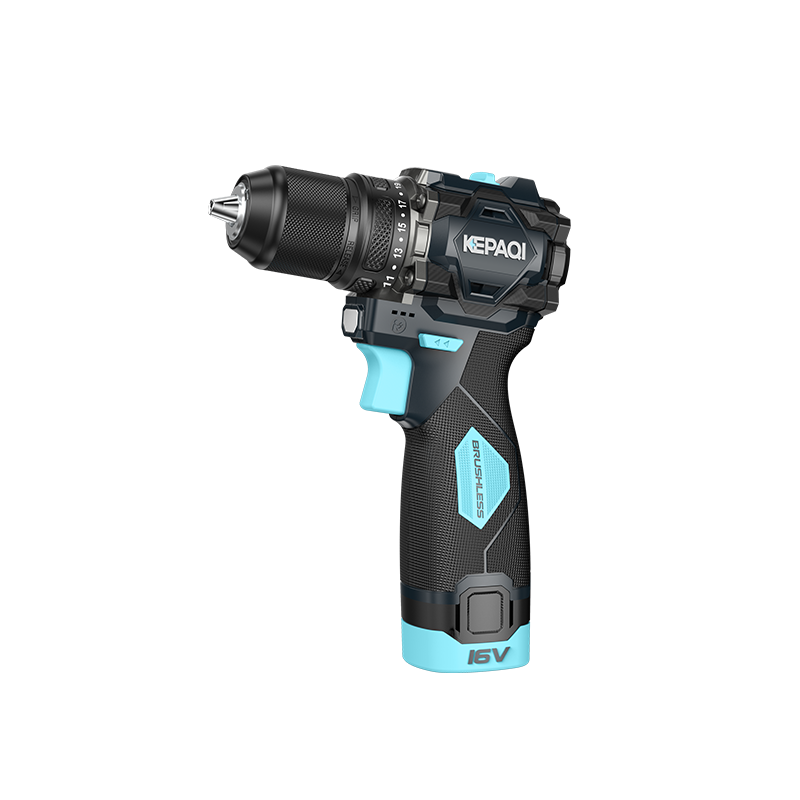
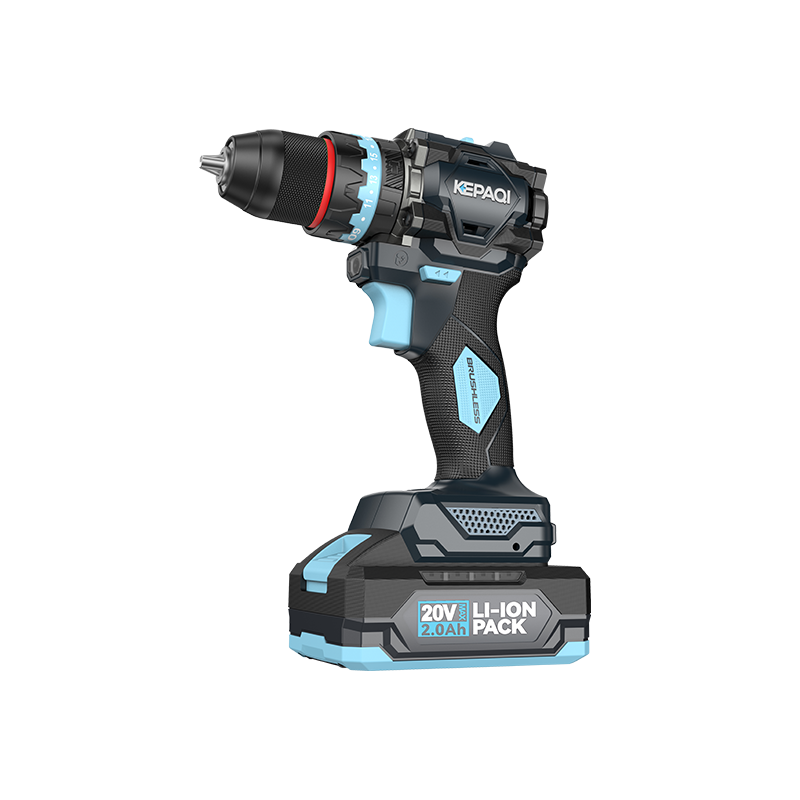
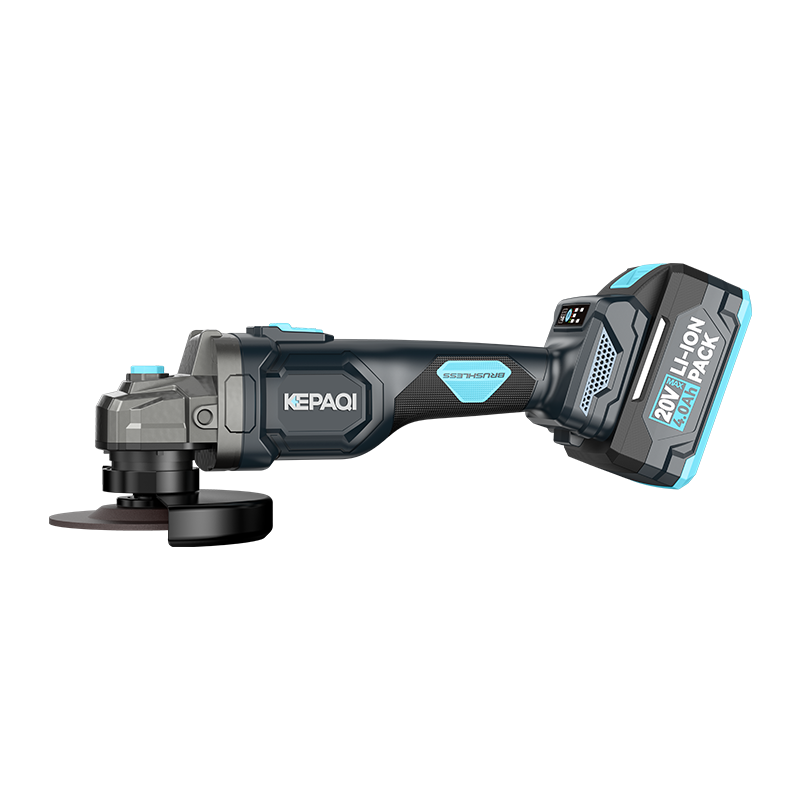
Brushless Motor
A brushless motor reduces mechanical contact inside the motor system. It can improve energy utilization, reduce maintenance requirements and maintain more consistent speed under changing cutting loads.
Content
2026-07-08
A Cordless Circular Saw combines portable battery power, a high-speed circular blade, an adjustable base plate and controlled cutting depth in one compact tool. It is designed for straight cutting, bevel cutting, board sizing, framing work, installation tasks and on-site material preparation without depending on a nearby power outlet.
Selecting the correct circular saw requires more than comparing voltage or blade diameter. Motor structure, cutting depth, blade compatibility, base plate stability, battery capacity and guide accuracy all affect the final cut. This page explains how the tool works, how to use circular saw equipment correctly, how to select a circular saw guide and how to change circular saw blade components safely.
Yes. Modern cordless circular saws can provide stable blade speed, strong cutting torque and practical operating time when the motor, battery and blade are correctly matched. They are especially effective for mobile construction, woodworking installation, roof work, flooring, cabinet fitting, board cutting and maintenance tasks.
The absence of a power cord improves movement around large workpieces and reduces the risk of cutting or catching a cable. A cordless model is also useful in areas where electrical access is limited or where the operator frequently changes working positions.
The cutting performance of a circular saw depends on the interaction between the motor, blade, battery, transmission structure and guide surface. A high specification in one area cannot compensate for incorrect blade selection or unstable operation.
A brushless motor reduces mechanical contact inside the motor system. It can improve energy utilization, reduce maintenance requirements and maintain more consistent speed under changing cutting loads.
Blade diameter, tooth count, kerf width, arbor size and maximum rated speed must match the saw. An incompatible blade may cause vibration, poor cutting quality or unsafe operation.
Battery voltage influences power delivery, while amp-hour capacity influences operating time. A larger battery may extend runtime but also increases overall tool weight.
A rigid and flat base plate supports straight movement across the workpiece. Plate deformation, loose adjustment points or side movement can reduce cutting accuracy.
The lower guard covers the exposed blade before and after cutting. It should open smoothly when contacting the material and return automatically when the cut is complete.
The cutting depth control adjusts blade exposure. The bevel mechanism changes the base plate angle for angled cuts, edge joints and installation work.
Users comparing circular saw saws should evaluate practical cutting requirements rather than selecting the highest numerical specification. The table below shows how common parameters influence tool performance.
| Parameter | Common Range | Functional Effect | Selection Consideration |
|---|---|---|---|
| Blade Diameter | 140–190 mm | Determines maximum cutting depth | Match blade size to material thickness |
| Battery Voltage | 18–40 V | Influences available motor output | Higher voltage is useful for demanding cuts |
| No-Load Speed | 3,500–6,000 rpm | Affects cutting speed and blade behavior | Must remain within the blade speed rating |
| Cutting Depth at 90° | 45–68 mm | Defines straight-cut material capacity | Allow sufficient capacity for the workpiece |
| Cutting Depth at 45° | 30–48 mm | Defines bevel-cut material capacity | Important for joints and angled edges |
| Bevel Range | 0–45° or 0–50° | Controls available angled cuts | Check positive stops and scale readability |
| Battery Capacity | 2.0–8.0 Ah | Influences runtime and tool weight | Balance mobility with working duration |
| Tool Weight | 2.5–5.5 kg | Affects handling and operator fatigue | Consider overhead and extended operation |
Published cutting depth normally refers to a correctly installed blade and a fully adjusted base plate. Actual performance can vary according to blade condition, wood density, battery charge, feed speed and material support.
The saw blade has a direct influence on cutting speed, edge quality, heat generation and material compatibility. A powerful Cordless Circular Saw may still produce rough or burned cuts when the blade type is incorrect.
A low tooth count creates larger spaces between teeth, allowing faster chip removal. This configuration is commonly used for rapid rip cutting along the wood grain.
A medium tooth count provides a balance between cutting speed and surface quality. It is suitable for general board processing and mixed workshop tasks.
A high tooth count reduces the amount of material removed by each tooth. It is commonly selected for plywood, laminated panels and applications requiring a finer edge.
A circular saw guide controls the movement of the base plate and helps maintain a consistent cutting line. The correct guide method depends on material size, required accuracy and cutting frequency.
A parallel guide references the outside edge of the workpiece. It is useful for cutting repeated strips and maintaining a fixed distance between the blade and the board edge.
A clamped straightedge provides a reference surface for the base plate. The operator must calculate the offset between the blade and the edge of the saw base.
A compatible guide track provides continuous support along the cutting path. It can reduce lateral movement and improve the quality of long, visible panel cuts.
Measure from the selected edge of the base plate to the nearest side of the blade tooth. Use the same reference side during measurement, setup and cutting.
Correct operation starts before the blade contacts the material. Workpiece support, blade depth, operator position and feed pressure all influence cutting safety and quality.
Confirm that the battery is secure, the blade is undamaged, the guard moves freely and the depth and bevel locks are fully tightened.
Place the material on stable supports. Arrange the supports so the cut remains open and the blade is not pinched as the material separates.
Adjust the blade so it extends approximately 3–6 mm below the workpiece. Excessive blade exposure can increase the consequences of kickback.
Position the base plate against the material and align the blade indicator with the cut line. Keep the blade clear of the workpiece before starting.
Start the circular saw and allow the blade to reach a stable speed before entering the material. Do not start the saw with the blade trapped in a cut.
Move the saw forward at a controlled rate. Forcing the tool can reduce blade speed, increase heat and cause the cut to move away from the guide.
Keep the base plate flat until the blade exits the material. Release the trigger and wait for the blade to stop before placing the tool down.
Unsupported material can bend and close the cutting gap around the blade. Reposition the supports so the kerf remains open.
Turning the saw while the blade is inside the material can force the teeth against the side of the cut. Stop and reposition the tool instead.
Worn teeth and resin buildup increase cutting resistance. Inspect, clean or replace the blade when feed pressure becomes unusually high.
Too much blade below the workpiece increases exposed tooth contact. Set the depth only slightly deeper than the material thickness.
Blade replacement should be completed in a controlled sequence. The battery must be removed before touching the blade, arbor bolt or blade guard.
Disconnect the power source completely to prevent accidental startup.
Rotate the blade slowly until the spindle locking mechanism engages fully.
Use the correct wrench and follow the loosening direction marked on the tool.
Keep the flange and bolt clean and note their installation orientation.
Match the blade rotation arrow with the rotation direction marked on the guard.
Secure the arbor bolt, rotate the blade manually and confirm that no part rubs against the guard or base.
| Observed Problem | Possible Cause | Recommended Check |
|---|---|---|
| Cut moves away from the marked line | Uneven feed pressure, loose guide or flexible base plate | Check guide alignment and keep the plate fully supported |
| Wood surface shows burn marks | Dull blade, slow feed rate or blade contamination | Inspect the teeth and remove resin buildup |
| Blade speed drops during cutting | Excessive feed pressure, low battery charge or dense material | Reduce feed pressure and verify battery condition |
| Finished edge has heavy splintering | Incorrect tooth count, worn blade or unstable material | Use a finer blade and improve workpiece support |
| Saw produces unusual vibration | Blade damage, incorrect mounting or arbor contamination | Stop immediately and inspect the blade installation |
| Lower guard does not return | Dust buildup, damaged spring or mechanical obstruction | Remove the battery and inspect the guard mechanism |
The tool can be configured for different materials and working environments by changing blade type, cutting depth, bevel angle and guide method.
Fast straight cuts for structural timber, framing components and site preparation.
Recommended focus: torque and cutting depthControlled panel sizing when combined with a fine-tooth blade and straight guide.
Recommended focus: edge quality and guide accuracyCrosscuts, trimming and dimension adjustment for floor boards and underlayment.
Recommended focus: portability and repeatabilityOn-site adjustment of panels, shelves and support components during fitting.
Recommended focus: clean cuts and low vibrationMobile cutting where cables may restrict movement or create additional handling risks.
Recommended focus: battery runtime and tool balanceRapid material breakdown before detailed machining, drilling or assembly.
Recommended focus: fast setup and blade compatibilityA production-ready tool should combine a stable brushless motor, rigid base plate, reliable blade guard, clear depth scale, secure bevel locking system and a battery platform suitable for the expected workload. Comfortable handle geometry and balanced weight distribution also help maintain control during long or repeated cuts.
It can cut timber within its rated cutting depth. Blade diameter, battery condition, motor torque, wood density and blade sharpness determine whether the cut can be completed efficiently in one pass.
The blade should normally extend approximately 3–6 mm below the workpiece. Excessive blade exposure does not improve cutting quality and may increase kickback risk.
Possible causes include excessive feed pressure, a discharged battery, blade pinching, dense material, a dull blade or activation of electronic overload protection.
No. Wood, laminated board, plastic and metal require different tooth geometry, tooth count and blade construction. The blade must also be approved for the saw speed and arbor size.
A guide creates a stable reference for the base plate, reducing side movement and helping the blade follow a repeatable path. Accurate offset measurement remains necessary when using a separate straightedge.
Replacement frequency depends on material, cutting volume and blade quality. Replace the blade when teeth are damaged, cutting resistance rises, vibration appears or acceptable edge quality can no longer be maintained.
Contact Info
+86-13801463308
+86-13862872268
Nantong,Jiangsu,China