The Rise of Cordless Metal Shears
In the realm of modern industrial manufacturing and construction, the evolution of cutting tools has always centered on two core dimensions: efficiency and precision. Early metalworking relied heavily on manual aviation snips or bench shears, which not only demanded immense physical strength but also struggled to maintain straight lines over long distances. Subsequently, corded electric shears solved the power issue, but trailing cables often became safety hazards and mobility constraints on cluttered jobsites.
The birth of the Cordless Metal Shear officially announced the entry of metal cutting into the "wireless era." By utilizing high-efficiency lithium-ion battery systems and compact transmission mechanisms, these tools compressed heavy industrial cutting power into a handheld size. For workers installing corrugated roofing or trimming HVAC ductwork in tight ceiling spaces, the Cordless Metal Shear offers more than just cutting force; it provides unprecedented operational freedom. It completely eliminates the hassle of searching for power outlets and untangling extension cords, increasing on-site mobility by over 40%.
Core Construction and Technical Specifications of Cordless Metal Shears
To understand how a Cordless Metal Shear effortlessly cuts through hardened steel plates, one must delve into its internal mechanical structure. This is not merely a simple motor drive but a combination of materials science and mechanical engineering.
Power Heart: Brushless Motor
Modern high-end Cordless Metal Shears generally adopt brushless motor technology. Compared to traditional brushed motors, brushless motors reduce internal friction and heat buildup, which means:
Longer Runtime: Higher energy conversion efficiency allows for more linear cutting distance per charge.
Higher Power Density: Provides stronger torque in the same volume, preventing stalls when cutting high-strength stainless steel.
Zero Maintenance: No need to periodically replace carbon brushes, extending the overall service life of the tool.
Cutter Head Design: The Balance Between Single-Cut and Double-Cut
This is the most technical part of the Cordless Metal Shear. Depending on cutting needs, the head usually follows one of two mainstream designs:
Single-Cut Design: Similar to an enhanced pair of scissors, consisting of one moving blade and one fixed blade. It produces no waste strips during the cutting process, making it ideal for fine straight cuts and alignment tasks. However, when cutting thicker materials, it may cause slight curling or deformation on one side of the material.
Double-Cut Design: Utilizes a three-blade structure (two fixed blades sandwiching one reciprocating moving blade). It removes a thin metal waste strip (curled scrap) about 3mm to 5mm wide, ensuring that both sides of the main material remain flat and deformation-free. It is the preferred choice for processing pipes and materials with high surface quality requirements.
Battery Platforms and Voltage Specifications
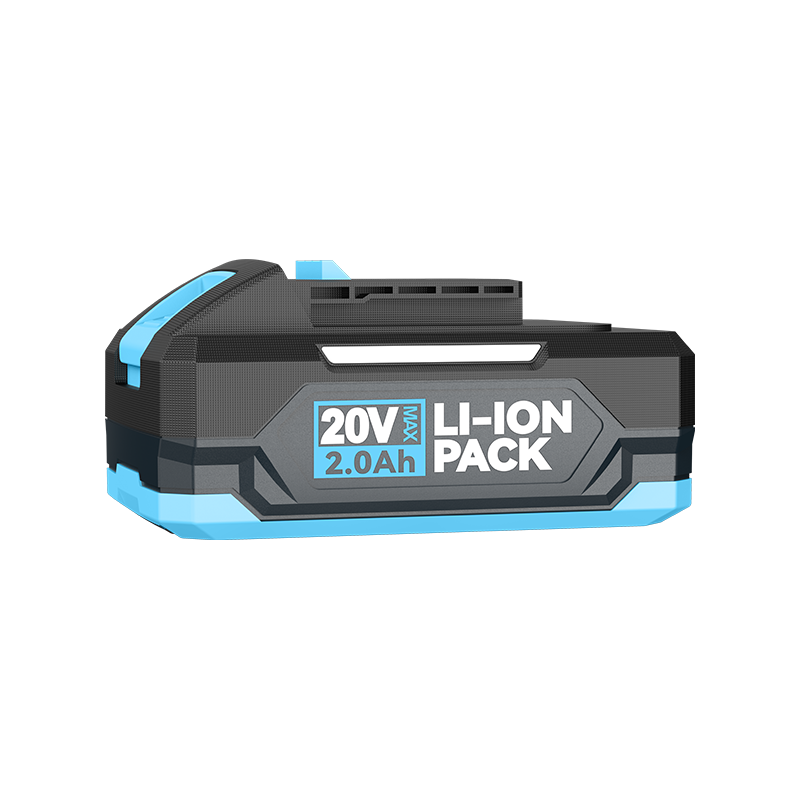
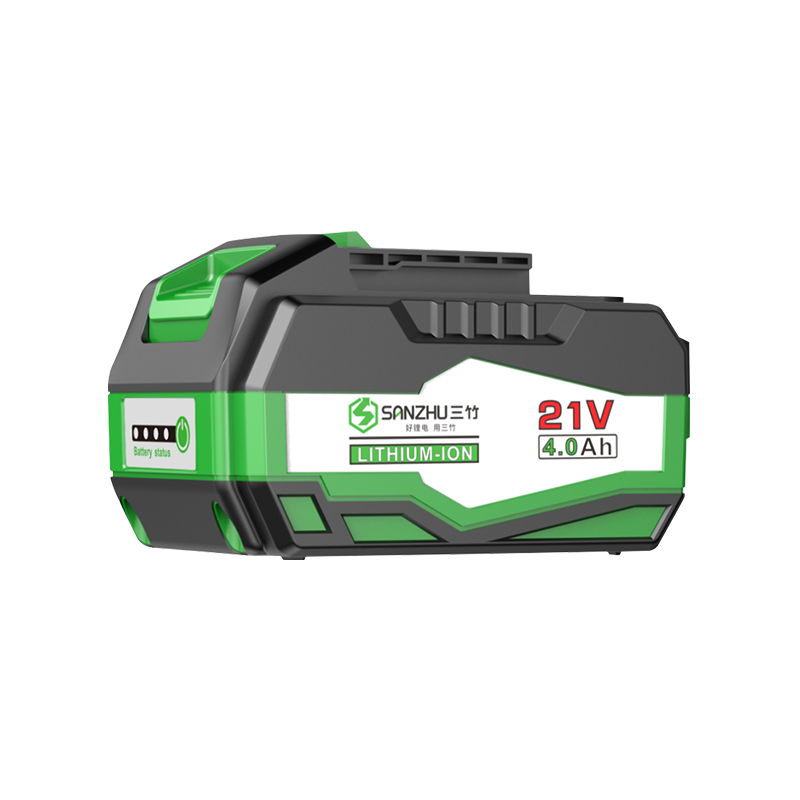
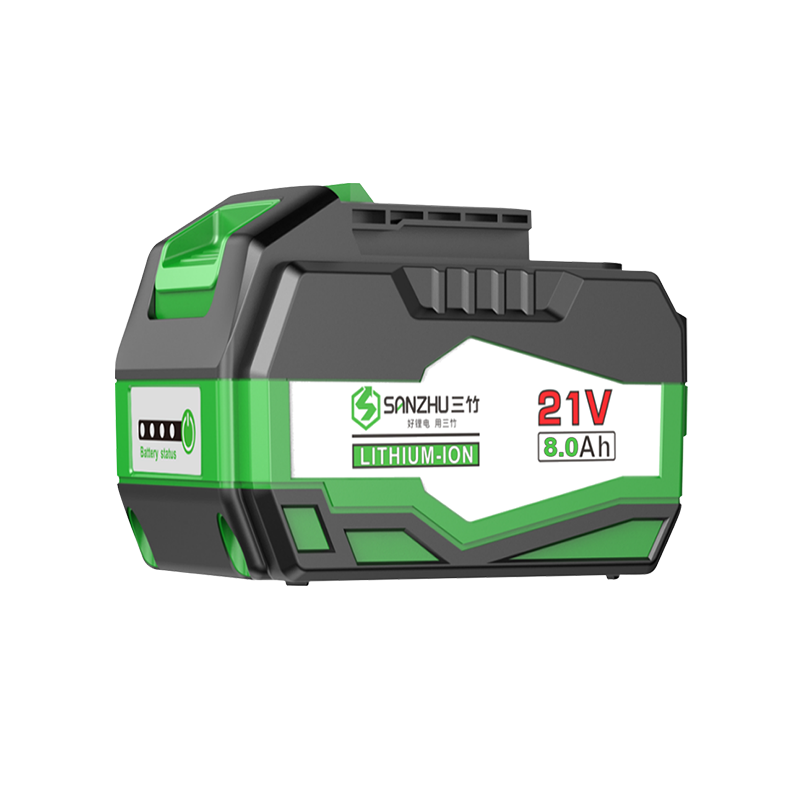
The performance of a Cordless Metal Shear is directly influenced by its battery platform. The industry currently focuses on 18V or 20V Max lithium-ion systems.
| Technical Parameter |
12V Compact Series |
18V/20V Standard Series |
| Max Cutting Thickness (Mild Steel) |
0.8mm - 1.0mm (20-22 Gauge) |
1.2mm - 1.6mm (14-18 Gauge) |
| Max Cutting Thickness (Stainless) |
0.5mm - 0.7mm (24-26 Gauge) |
0.9mm - 1.2mm (18-20 Gauge) |
| Strokes Per Minute (SPM) |
0 - 2,000 |
0 - 2,500+ |
| Weight (Including Battery) |
1.2kg - 1.5kg |
2.2kg - 3.0kg |
In-Depth Analysis of Key Performance Indicators
Evaluating a Cordless Metal Shear requires looking beyond battery voltage. The following three indicators determine its field performance:
Cutting Capacity (Gauge)
In metalworking, "Gauge" is the standard for measuring material thickness; smaller values represent thicker materials. A standard Cordless Metal Shear usually labels its maximum capacity for mild steel and stainless steel. For example, an 18-Gauge rated shear can handle approximately 1.2mm steel. Forcing the tool through materials exceeding its specs can lead to overload protection triggers or blade chipping.
Strokes Per Minute (SPM)
SPM determines the smoothness of the cut. A high SPM (e.g., 2500) provides faster feed rates, resulting in smoother edges and reduced burrs. Most Cordless Metal Shears feature variable speed triggers, allowing operators to adjust speed based on material hardness.
Minimum Cutting Radius
For tasks requiring circular holes or curved cuts, the cutting radius is vital. Due to the physical width of the cutter head, there is a minimum radius limit when turning. Generally, "Offset Head" designs offer better curve passage than straight-head designs, keeping the operator's hand away from sharp edges while improving precision.
Field Applications of Cordless Metal Shears Across Industries
The Cordless Metal Shear is widely used, serving as both a workshop standard and a "sharp tool" for on-site installation and rapid repair.
HVAC and Ductwork Installation
HVAC technicians frequently handle large areas of thin galvanized steel. Since ducts are often installed in tight ceiling spaces, corded tools tangle easily. The cordless design allows workers to move freely on ladders to cut precise vents. When handling thin 24-Gauge to 30-Gauge ducts, the shear provides deformation-free edges for airtight flange connections.
Roofing and Metal Building
For workers installing corrugated roofing and metal wall panels, the Cordless Metal Shear is almost irreplaceable. Roof edges, gutters, and ridge caps often require secondary cutting based on field dimensions. In wet or outdoor conditions, the wireless design eliminates electric shock risks and the hassle of managing long cables in high winds.
Automotive Body Repair and Customization
In body shops, these shears are used to quickly remove damaged fenders or side panels. Utilizing a 360-degree rotating head, technicians can cut smooth curves on body surfaces without generating the sparks or high-heat oxidation zones typical of angle grinders, thus protecting the paint.
| Application Scenario |
Typical Material |
Recommended Gauge |
Core Functional Requirement |
| HVAC Installation |
Galv Steel, Aluminum |
18 - 24 Gauge |
Variable speed, burr-free cuts |
| Metal Roofing |
Corrugated, Zinc |
14 - 18 Gauge |
Swivel head, high torque |
| Auto Body |
Cold Rolled, Stainless |
16 - 20 Gauge |
Small radius, compact body |
| Interior Framing |
Steel Studs, U/C Channel |
14 - 18 Gauge |
Heavy-duty power, high SPM |
Buying Guide: How to Choose the Best Cordless Metal Shear
When selecting a high-quality Cordless Metal Shear, focus on these four dimensions:
Ergonomics and Weight Balance
Since the center of gravity is mostly at the battery end, a good design places the grip at the balance point between the battery and the head. Rubber-overmold non-slip handles significantly reduce vibration. For overhead work, choose models under 2.4kg. For bench work, a slightly heavier unit provides better cutting inertia.
Head Flexibility: 360 Degree Swivel Head
Many high-performance shears feature a swivel head. This allows the operator to change the cutting angle by rotating the head without changing their grip. This is crucial for navigating corners or obstacles and reducing wrist fatigue.
Safety Features and Intelligent Protection
Overload Protection: Automatically cuts power if the material thickness exceeds the rated range, preventing motor burnout. Electronic Brake: The blades stop instantly when the trigger is released, a vital safety barrier for precision cuts. LED Work Light: Metalworking often creates shadows; built-in lights ensure the cut line remains visible.
Ease of Blade Replacement
Blades are consumables. Look for "Quick-Change" designs that allow users to replace the moving blade without disassembling the entire head, greatly reducing downtime.
Operation Tips and Material Handling Advice
Mastering the physical characteristics is just the first step; achieving "zero-defect" cuts requires precise control over feed and feedback.
Starting and Feed Technique: The 10-15 Degree Golden Rule
When cutting flat sheets, never let the head sit perfectly flush against the material. Maintain an upward tilt of 10 to 15 degrees relative to the sheet. This small angle reduces initial resistance and allows the moving blade to "bite" the edge for a smoother start. Avoid pushing too hard. Let the high-speed motor do the work. Excessive force reduces cut quality and can overheat the battery.
Curve Cutting: Going with the Flow
While these shears excel at straight lines, technique is key for large-radius curves. During curves, the waste strip can twist and block your view. Guide it outward to keep the path clear. If the path is too tight, do not force the machine to turn, as this can snap the blade. Switch to an offset head for small-radius tasks.
Specialized Advice for Stainless Steel
The work-hardening nature of stainless steel is a major challenge. If a machine is rated for 1.2mm mild steel, its capacity for stainless usually drops to 0.8mm - 1.0mm. Applying light machine oil or soapy water along the cut line significantly reduces friction and heat, preventing the blades from annealing and softening.
Maintenance, Care, and Troubleshooting
The lifespan of a Cordless Metal Shear depends heavily on daily maintenance details.
Precise Adjustment of Blade Gap
Burrs usually indicate an improper blade gap. Generally, the gap should be set to 5% to 10% of the material thickness.
| Material Type |
Recommended Gap % |
Example (1.0mm Mat.) |
Consequences |
| Aluminum/Soft |
4% - 6% |
0.05mm |
Gap too large "tears" material |
| Mild Steel |
8% - 10% |
0.09mm |
Ideal: Bright cut, no burrs |
| Stainless Steel |
10% - 12% |
0.11mm |
Gap too small chips blades |
Regular Cleaning and Lubrication
Use compressed air to clean the cutter head joints and motor vents after every use. Conductive metal dust can cause short circuits if it enters the motor. Apply 1-2 drops of high-quality oil to the blade pivot points weekly to maintain smooth reciprocating motion.
Battery Health Management
Metal cutting is a high-load task. Swap the battery when you feel a significant power drop to protect the longevity of the lithium-ion cells.
FAQ: Common Questions and Science Behind Cordless Metal Shears
Q1: Can the waste from a Cordless Metal Shear cause injury?
Double-cut waste is usually a spiral, needle-sharp metal ribbon with spring-like tension. Always wear ANSI A4 or higher cut-resistant gloves and keep the waste away from your feet/ankles.
Q2: Why does my machine stop in the middle of a cut?
This is usually the electronic overload protection. It can be triggered by exceeding material thickness, a blade gap that is too tight, or low battery. Check specs and allow the tool to cool.
Q3: Can I cut coated corrugated roofing?
Yes. Unlike angle grinders that produce high-heat sparks, Cordless Metal Shears are cold-cutting tools. They won't burn the coating or galvanization, effectively preventing future rust at the cut site.
Q4: How do I know when to replace the blades?
If the cutting speed drops significantly, heavy burrs appear, or vibrations increase sharply, the blades are likely dull. Note: It is generally not recommended to sharpen these blades yourself as it alters the precise geometric angles.
Q5: Is a 12V Cordless Metal Shear enough?
12V systems are perfect for HVAC techs handling thin ducts (24-Gauge and thinner). For roofing or plates over 1.5mm, stick to the 18V/20V platforms for sufficient power reserves.

 English
 русский
 Español