It usually starts with a single wheel nut that will not budge. A tire shop previously torqued it to 140 ft-lb, or a roadside service truck ran it down at full power, and now the stud is stretched and the nut is seized. For anyone who services vehicles regularly, the impact wrench you choose decides whether this job takes two minutes or forty.
The best impact wrench for tightening car wheel nuts is a brushless cordless model in the 600 to 1000 N·m class with at least three speed or torque modes, a 1/2-inch drive, and a battery platform shared with other tools. That is the short answer. The longer answer involves torque reserve, control precision, motor technology, and the difference between running a nut down and actually securing a wheel. This guide explains what to look for, how much torque you really need for each vehicle type, and how to avoid the mistakes that damage studs, wheels, and rotors.
What Makes an Impact Wrench Suitable for Wheel Nuts?
Wheel service is different from general fastening work. Wheel nuts are large, usually 17 to 22 mm across the flats, torqued to a specified value, and often corroded or over-tightened after months of road use. An impact wrench that is suitable for this task needs to satisfy four requirements.
Torque Reserve
The wrench must deliver enough peak torque to loosen a nut torqued to specification plus a safety margin. A tool rated at exactly the same torque as the wheel nut spec will stall on the first corroded stud. Choose a rating at least twice the nut specification.
Speed and Torque Control
Tightening requires the opposite of brute force. Adjustable speed and torque modes let you run the nut down smoothly at low power, then finish with a torque wrench. Without control modes, the tool either under-drives or over-drives every fastener.
Battery Platform
Wheel work is battery-hungry. A shared 16V or 20V battery platform lets you keep spare packs charged and run impact wrenches, drills, and other tools from the same system, which is essential for mobile service and busy workshops.
Ergonomics and Safety
You work at wheel height, often in cramped conditions. A compact body, a reasonable weight below 2.5 kg with battery, a belt hook, and an LED work light make a real difference when you service several vehicles a day.
These four factors matter more than the brand name or the maximum torque number on the box. A wrench that is uncomfortable to handle and has no control modes will slow you down, even if its peak torque looks impressive.
Torque Requirements for Different Vehicle Types
Wheel nuts are not all tightened to the same value. Each vehicle manufacturer specifies a tightening torque that accounts for wheel material, stud diameter, brake rotor design, and vehicle weight. Applying the same torque to a compact hatchback and a heavy truck is a recipe for either loose wheels or broken studs.
Use the following values as a general reference. Always confirm the exact specification from the vehicle owner's manual or the manufacturer's service data before final torquing.
Typical wheel nut torque specifications and recommended impact wrench classes by vehicle type.
| Vehicle Type |
Typical Wheel Nut Torque (ft-lb) |
Typical Wheel Nut Torque (N·m) |
Recommended Wrench Class |
| Compact cars and small hatchbacks |
80 - 95 ft-lb |
108 - 129 N·m |
350 N·m class |
| Midsize sedans and crossovers |
95 - 115 ft-lb |
129 - 156 N·m |
350 - 600 N·m class |
| SUVs and light trucks |
110 - 140 ft-lb |
149 - 190 N·m |
600 N·m class |
| Vans and commercial light vehicles |
130 - 165 ft-lb |
176 - 224 N·m |
600 N·m class |
| Heavy trucks and buses |
450 - 500 ft-lb |
610 - 678 N·m |
1000 N·m class |
The rule of thumb is simple: the impact wrench should have roughly twice the torque of the wheel nut specification, because it must loosen nuts that have been corroded, over-tightened, or affected by heat cycles. A 600 N·m brushless impact wrench, for example, covers most passenger cars, SUVs, and light commercial vehicles with enough margin to break loose a stubborn nut.
Typical wheel nut tightening torque for passenger and light vehicles
Compact car
108 - 129 N·m
Midsize sedan
129 - 156 N·m
SUV / light truck
149 - 190 N·m
Heavy truck wheel nuts are torqued to 610 - 678 N·m (450 - 500 ft-lb), which is why fleet and truck service requires the 1000 N·m wrench class.
If your work involves mixed fleets, choose a 600 N·m model as the baseline and keep a higher-torque unit available for trucks and construction equipment.
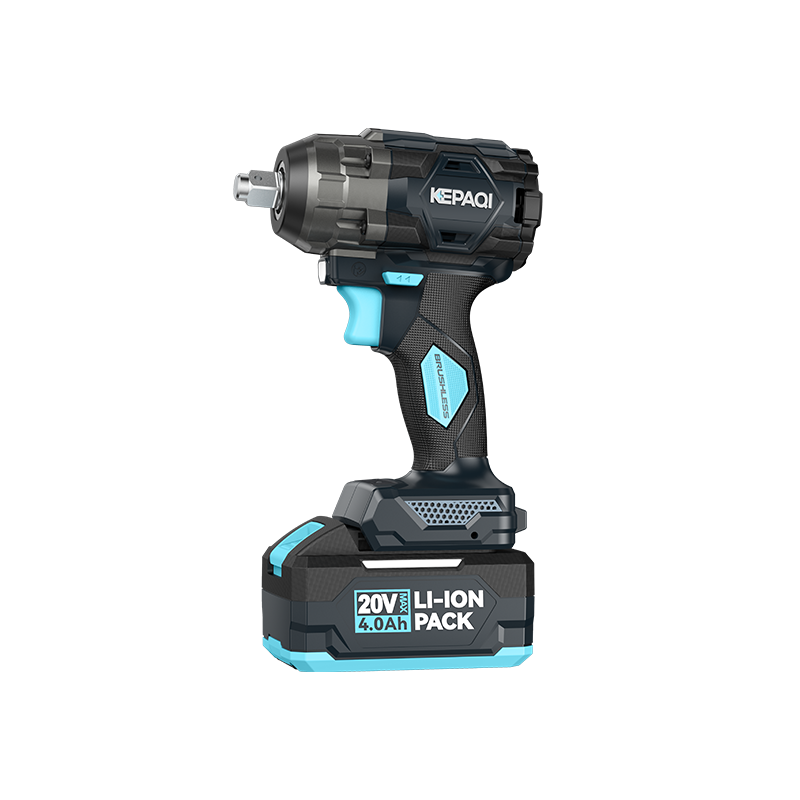 20V Three-Gear Brushless Impact Wrench for Mixed Fleet Wheel ServiceThis brushless impact wrench offers adjustable torque in three gears, making it a practical baseline for workshops handling mixed vehicles. Its efficient motor sustains performance during repeated wheel changes, while the ergonomic handle supports comfortable long-shift use.View Product →
Why Brushless Technology Matters in an Impact Wrench
Brushless motors have become the default in professional cordless impact wrenches, and for wheel service the difference is not theoretical. In an impact wrench, the motor spins a hammer that delivers repeated rotational impacts. That rapid start-stop loading heats motors quickly. A brushed motor wastes energy through friction at the commutator and generates heat that degrades performance exactly when you need it most, after several wheel changes in a row.
A brushless motor uses electronic commutation instead of physical brushes. The benefits in a wheel-service context are concrete:
- More torque per amp: The motor controller directs current precisely to the windings, so more battery energy reaches the hammer mechanism.
- Less heat: Lower operating temperature means sustained torque output when loosening multiple seized lug nuts.
- Longer motor life: No brushes to wear down, and the absence of brush dust keeps the internal mechanism cleaner.
- Consistent performance as the battery drains: The controller compensates for voltage drop, so the last wheel gets the same pulse force as the first.
For a deeper explanation of the mechanism, you can read how a brushless impact wrench works, but the takeaway for wheel work is straightforward: a brushless impact wrench is more predictable and lasts longer in high-cycle use, which is exactly what wheel servicing demands.
Brushed versus brushless impact wrenches for wheel service.
| Comparison Point |
Brushed Motor |
Brushless Motor |
| Torque density |
Lower output per unit of motor size |
Higher output with a more compact head |
| Heat generation |
High under repeated impact |
Low, with better sustained performance |
| Battery runtime |
Shorter, more energy wasted as heat |
Longer, more efficient use of charge |
| Service life |
Brushes wear and need replacement |
No brushes to replace |
| Weight |
Generally heavier for the same torque |
Lighter and better balanced |
Torque Control Modes: Tighten Without Damaging Your Wheels
The number one cause of wheel nut failure is not under-tightening, it is over-tightening. When a wrench applies far more torque than the stud is designed to handle, the stud stretches permanently. The nut may feel tight, but the clamping force is unpredictable, and the stud can snap weeks later, or the brake rotor can warp because it is being squeezed unevenly.
This is why control modes matter more than peak torque. A quality cordless impact wrench offers multiple speed and torque settings that limit the pulse force delivered to the fastener.
Three-Gear Adjustment
Most professional impact wrenches, including the 600 N·m and 1000 N·m models produced by Nantong Great Tools, include a three-gear adjustment system. Gear 1 delivers low pulse force for precise tightening and light fasteners. Gear 2 is a middle range for general work. Gear 3 unlocks full power for loosening rusted nuts. The correct workflow for wheel service is to tighten in gear 1 or 2, and to loosen in gear 3.
Variable Speed Trigger
The trigger is another control input. Feathering the trigger at partial speed reduces the pulse frequency and lets you feel the fastener's resistance. Even with a powerful 600 N·m wrench, a careful operator can run a wheel nut down smoothly by easing the trigger instead of pulling it fully.
Constant Torque Electronics
Some brushless impact wrenches feature electronic torque limiting, where the motor controller monitors the load and stops pulsing when the nut reaches the selected torque target. This is the closest a cordless impact wrench gets to a torque wrench, and it is especially useful for operators who service the same vehicle types repeatedly and want repeatable results.
For lighter cars and compact SUVs, a 350 N·m brushless impact wrench with two-speed adjustment is often enough, because the wheel nuts are typically torqued below 150 N·m and the reserve margin still allows you to loosen a stubborn nut without over-stressing the fastener.
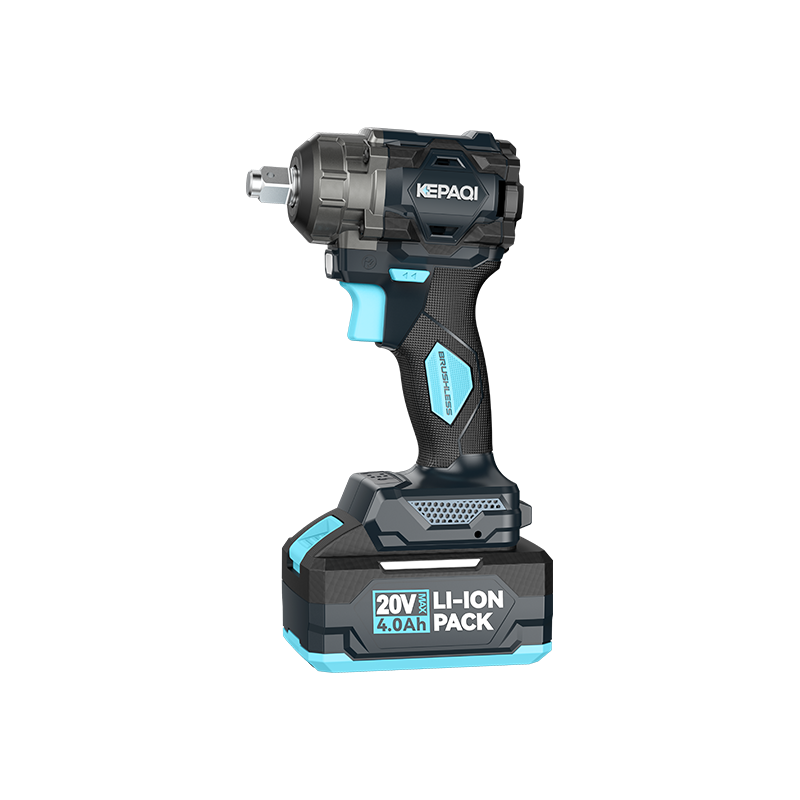 2-Speed 350 N·m Brushless Impact Wrench for Light VehiclesRated at 350 N·m with two-speed adjustment, this impact wrench suits compact cars and SUVs where wheel nuts typically sit below 150 N·m. Its straight-drilling design and high-concentricity gearbox help prevent fastener damage during routine tire service.View Product →
Step-by-Step: How to Tighten Wheel Nuts with an Impact Wrench
An impact wrench does not replace a torque wrench; it replaces the muscle and the breaker bar. The correct sequence below is the one used in professional tire shops and workshops that want to avoid comebacks and warranty claims.
- Prepare the surfaces. Clean the hub face and the inside of the wheel with a wire brush. Rust, dirt, or debris between the wheel and hub causes the wheel to seat unevenly and changes the clamping force.
- Lift and support the vehicle. Use a jack and always place a jack stand before working under the vehicle. Never trust a hydraulic jack alone.
- Run the nuts down by hand or on low speed. Start each nut by hand for at least two full turns, or use gear 1 on the impact wrench with a light trigger. This prevents cross-threading, which is the most common cause of damaged studs.
- Tighten in a star or crisscross pattern. Work on the opposite nut to the one you just tightened, going around the wheel in a five-point or alternating sequence. This seats the wheel evenly against the hub.
- Lower the vehicle. Bring the wheel to the ground with the vehicle's weight on it, then tighten each nut again in the same pattern at low speed until snug.
- Finish with a calibrated torque wrench. Set it to the manufacturer's specification and confirm each nut. The impact wrench gets you to 80 to 90 percent of the target; the torque wrench delivers the final, predictable clamping load.
- Re-check after a short drive. Steel and alloy wheels settle after heat cycles. Re-torque the nuts after 50 to 100 km (30 to 60 miles), and again after the first long trip.
2xTorque reserve rule when selecting a wrench
90%Run-down with impact wrench before final torquing
100 kmRe-torque interval after wheel service
Pro tip: For workshops that service hundreds of vehicles, consider a set of torque sticks. A torque stick is an extension bar that flexes at a specific torque value when used with an impact wrench. It is a practical way to keep high throughput without over-tightening, but always verify the final result with a torque wrench on the first few jobs.
Common Mistakes That Damage Wheel Nuts and Studs
Even a correctly sized impact wrench can cause damage if used improperly. The failures below are the ones wheel-service teams see most often, and all of them are preventable.
- Full power on every nut. Using gear 3 for every fastener over-torques the nuts, stretches the studs, and can crack alloy wheels around the bolt holes. Use high power only for loosening.
- Skipping the torque wrench. If the impact wrench has no electronic torque limiting, there is no way to know the exact clamping force. A torque wrench is not optional for safety-critical fasteners like wheel nuts.
- Power-driving a cross-threaded nut. The impact mechanism will happily force a nut onto a damaged thread, destroying both the nut and the stud. Always start by hand or at very low speed.
- Using worn sockets. A worn six-point socket that no longer fits the nut tightly will round off the corners of the nut, especially on alloy wheels where the nut is softer. Inspect sockets regularly and replace them when the fit begins to loosen.
- Ignoring the wheel centering. If the wheel is not centered on the hub before tightening, the impact pulses will hammer it into place, damaging the hub bore and causing vibration at speed.
- Forgetting to re-torque after driving. Even with a torque wrench, new brake discs, new wheels, or recently rotated wheels may shift. The re-torque check is part of the job, not an optional extra.
Battery and Runtime: Keeping the Wrench Ready
Wheel service is burst work: short, intense bursts of torque separated by pauses. Runtime is less about the total number of wheel changes and more about having enough reserve when a seized nut forces you to hammer repeatedly. A wrench that drops into low-power protection halfway through a job, or during a roadside call, is a liability.
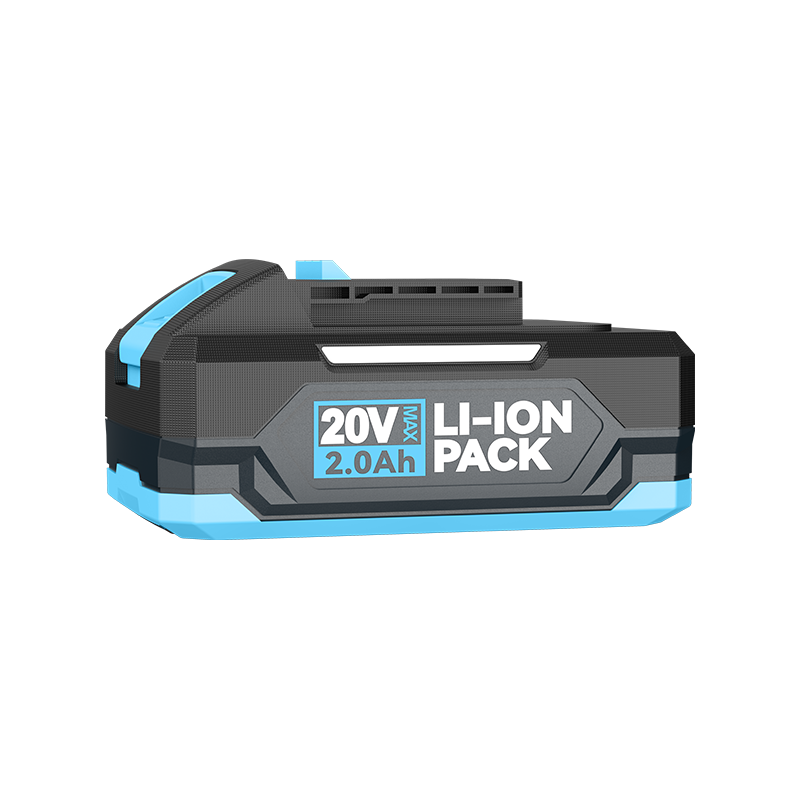
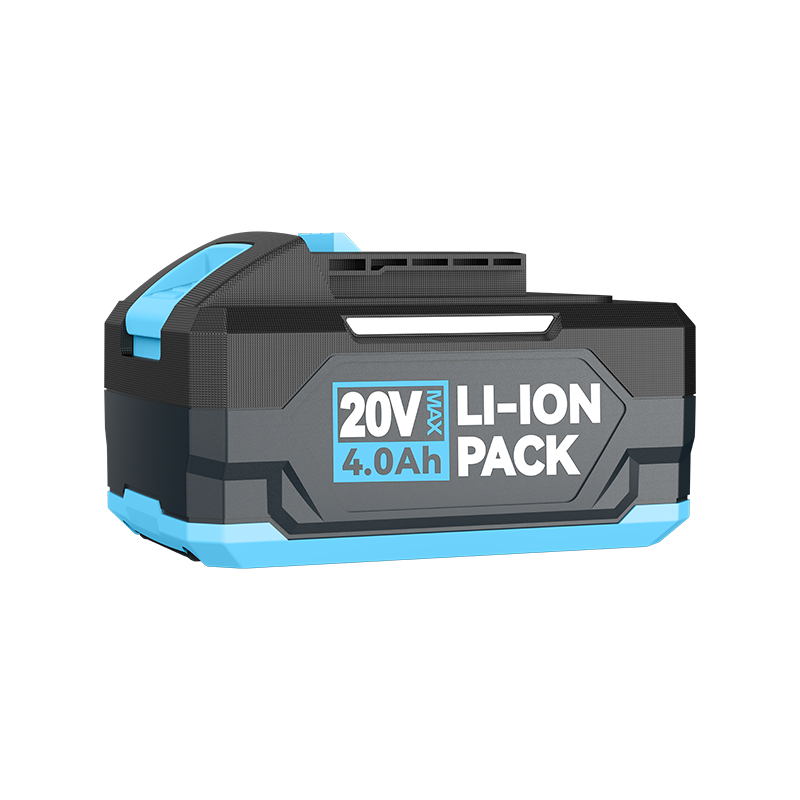
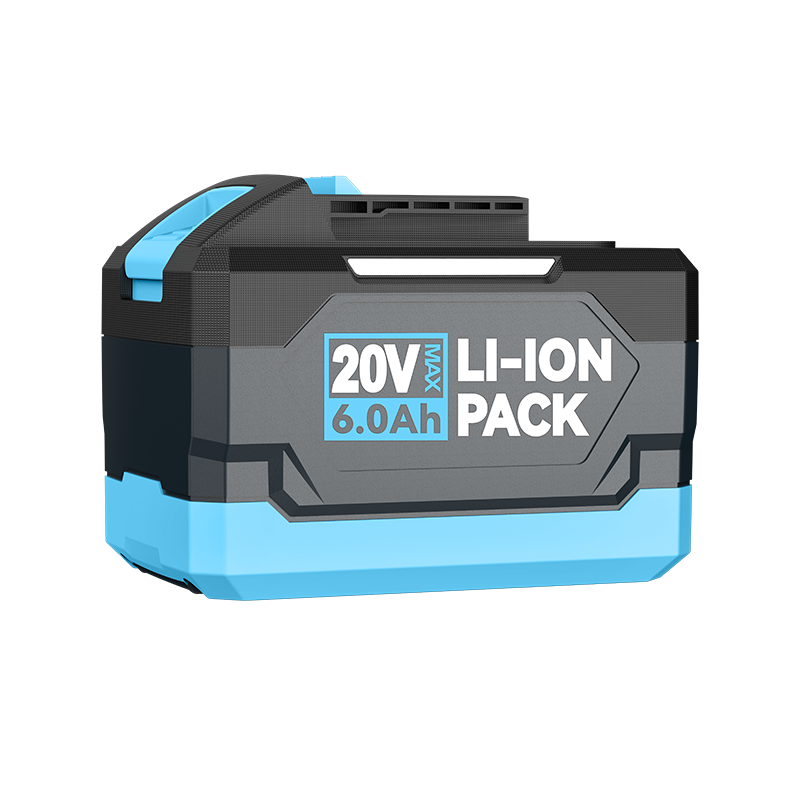
Battery capacity is a practical decision. A 2.0 Ah battery is fine for occasional wheel changes on one vehicle. For a full day of tire changes, workshops should choose 4.0 Ah or 6.0 Ah packs, and ideally keep at least one spare pack on charge while the other is in use.
- Voltage platform: A 16V or 20V platform is the standard choice for automotive work. Stick to one platform across your tools so batteries stay interchangeable.
- Charge time: A fast charger can refill a 4.0 Ah pack in about an hour. Workshops should plan for two batteries per wrench for continuous operation.
- Cold weather: Lithium cells lose capacity in freezing temperatures. Keep spare packs inside the vehicle or workshop in winter, and do not charge a frozen battery pack immediately; let it warm up first.
- Storage: Store batteries at 30 to 50 percent charge if they will not be used for several weeks, and always keep them in a cool, dry place away from direct sunlight.
If you upgrade from an older 1.5 Ah or 2.0 Ah battery, the difference in sustained impact power is immediate. A 6.0 Ah or 8.0 Ah pack allows a full day of wheel work on a single charge in most passenger-vehicle applications.
Matching the Wrench to Your Work Context
The best impact wrench depends on what kind of wheels you actually touch. A mobile tire fitter who services SUVs and vans has a different requirement from a fleet garage that also handles trucks. Let us match the torque classes to real work situations.
Impact wrench torque classes and the vehicles they service
350 N·m class
Cars, compact SUVs
600 N·m class
SUVs, vans, mixed workshops
1000 N·m class
Trucks, fleet, industrial
Home Garage and DIY
For changing wheels on one or two family cars, a 350 to 600 N·m brushless impact wrench with a 16V or 20V battery is a good balance of size, weight, and capability. It will loosen the wheel nuts of any passenger vehicle, including cross-threaded or slightly rusted cases, and the low-speed mode handles the tightening phase safely.
Tire Shop and Workshop
A busy tire shop needs the 600 N·m class as the minimum for every bay. The key is repeatability and battery economics: two wrenches sharing the same battery platform, with 4.0 Ah or 6.0 Ah packs, will handle a full day of passenger vehicle and SUV services without downtime.
Fleet Maintenance and Truck Service
Heavy trucks and buses use wheel nuts torqued to 610 - 678 N·m, sometimes higher. For these fasteners, a 1000 N·m brushless impact wrench is justified. It breaks loose wheel nuts that have been in place for hundreds of thousands of kilometers, and its higher pulse energy shortens the time each wheel takes, which matters when a fleet vehicle needs to return to service.
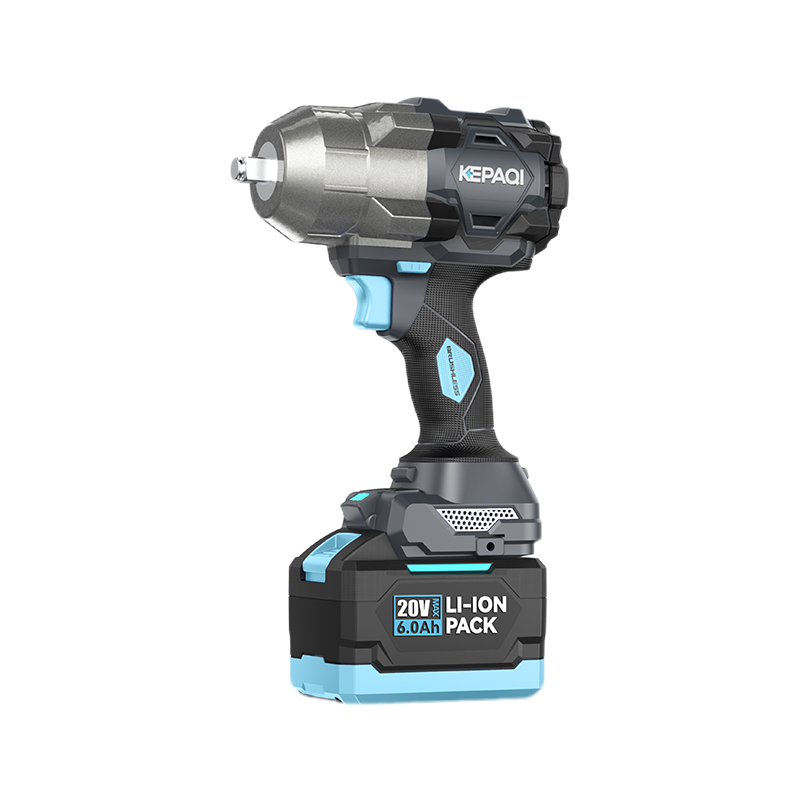 KPQ20V-1000N·m Brushless Impact Wrench for Heavy Truck FastenersWith a maximum torque of 1200 N·m, this brushless impact wrench is built for loosening stubborn wheel nuts on heavy trucks and buses. Its dual-mode speed control and 2400 blows per minute improve efficiency when returning fleet vehicles to service.View Product →
For a tool purpose-built for automotive fasteners, review the cordless impact wrench for automotive applications and check the torque specifications against your most common vehicle types before purchasing.
Frequently Asked Questions
Can I tighten wheel nuts with an impact wrench instead of a torque wrench?
An impact wrench is excellent for running nuts down quickly, but it should not replace a torque wrench for the final tightening of safety-critical fasteners. Unless the impact wrench has certified electronic torque limiting, you cannot be certain of the final clamping force. The recommended procedure is to use the impact wrench up to about 80 to 90 percent of the target, then finish with a calibrated torque wrench.
What torque should I use for wheel nuts?
Always follow the vehicle manufacturer's specification, which is in the owner's manual and often printed on a sticker inside the driver's door or on the fuel filler flap. Typical passenger car values are 80 to 100 ft-lb (108 to 136 N·m); SUVs and light trucks are commonly 110 to 140 ft-lb (149 to 190 N·m). Heavy trucks can be 450 to 500 ft-lb (610 to 678 N·m).
Is a 350 N·m impact wrench enough to remove car wheels?
Yes, for the vast majority of passenger cars and compact SUVs. The tightening spec for these vehicles is typically below 150 N·m, so a 350 N·m wrench provides more than double the torque needed, including margin for rusted or previously over-tightened nuts. For light trucks, vans, and any vehicle with a nut torque above about 180 N·m, step up to the 600 N·m class.
Can an impact wrench snap wheel studs?
Yes, if used carelessly. Running a nut at maximum torque on a stud that is already stretched, corroded, or damaged can snap it. The impact mechanism delivers a hammering force, not a steady pull, so it can also fatigue a marginal stud quickly. Always loosen at the right power level and inspect studs before re-installing wheels.
Do I need a brushless impact wrench for occasional wheel changes?
For occasional use, a brushed wrench can get the job done. However, a brushless model weighs less, produces more torque per amp, and maintains full performance as the battery drains. Since the brushless motor lasts longer and the battery platform can expand to other tools, most users find the extra investment worthwhile over a five to ten year ownership period.
What socket do I need for wheel nuts?
Most passenger car wheel nuts use 17 mm, 19 mm, or 21 mm sockets. Trucks and older vehicles may use 22 mm, 24 mm, or 27 mm. Choose a 1/2-inch drive impact socket set, preferably six-point, and make sure the socket is impact-rated so it can withstand the pulse force without cracking.
Practical Buying Checklist for a Wheel-Nut Impact Wrench
Before you make the purchase decision, run through this checklist with your actual workload in mind. The right answer for a one-car household is different from the right answer for a twelve-bay workshop, but the underlying logic is the same.
- Peak torque: At least 350 N·m for occasional passenger car work; 600 N·m for workshops and mixed vehicles; 1000 N·m for trucks and heavy fleet service.
- Motor type: Choose brushless for sustained output, longer runtime, and better durability in high-cycle use.
- Drive size: 1/2-inch square drive is the standard for wheel work and gives you access to the widest range of impact sockets.
- Speed and torque modes: Look for at least three gear settings or an electronic torque-limiting system. This is what protects studs and wheels.
- Battery compatibility: Confirm the wrench shares a battery platform with your other tools and that higher-capacity packs of 4.0 Ah or above are available.
- Weight and balance: A complete kit with battery should stay under about 2.5 kg for comfortable one-handed use at wheel height.
- Work light and accessories: An LED light helps in low-light service situations, and a belt hook, protective case, and spare battery make the tool easier to deploy.
- Quality verification: If you are buying in volume, ask the supplier about factory testing, battery cycle testing, and support documentation. A manufacturer with in-house durability testing is more likely to deliver consistent units.
When you build the full kit, factor in the items that the wrench alone does not include: a 1/2-inch drive impact socket set with the sizes your vehicles actually use, one spare battery per wrench for continuous service, and a calibrated torque wrench for the final pass. The total budget should be seen as an investment in reducing comebacks and avoiding the liability of a wheel that comes loose at speed.

 English
 русский
 Español