You are on the side of the road with a flat tire. The car jack is in place, and you put the factory wrench on the first lug nut. You push down hard, but the nut refuses to move. It is rusted, over-torqued, or both. At that moment, you seriously start thinking about buying a better tool.
The best power tool for removing tire lug nuts is a brushless cordless impact wrench, especially one rated at or above 600 N·m. A 1/2-inch drive impact wrench delivers the high, sudden torque needed to break free rusted or over-tightened fasteners without requiring you to lean on a breaker bar. Below, we explain why this tool wins, how to choose the right one, and which specifications actually matter.
Why an Impact Wrench Is the Best Lug Nut Removal Tool
An impact wrench does not work like a standard drill or a manually driven socket wrench. It stores energy in a rotating mass and then releases it in a fast, concussive burst. This "hammering" action sends hundreds of short, high-torque pulses into the fastener. The result is that a stuck lug nut can be broken free with far less physical effort and far less reaction torque pushing back on your hand.
Compared to a breaker bar, the impact wrench also works faster. A breaker bar is reliable in the garage, but during a roadside tire change in the dark or in bad weather, the ability to press a trigger and have a nut loosen in a second is a huge advantage. Unlike an electric ratchet or a standard drill, the impact wrench is purpose-built for repetitive high-torque fastening and loosening of wheel fasteners.
For tire work, the industry standard is a 1/2-inch square drive with a deep socket. The 1/2-inch drive size matches the larger sockets used on wheel lug nuts and is strong enough to handle the torque output of a powerful wrench. Compact 3/8-inch models can handle some smaller cars, but they generally lack the sustained torque and socket compatibility needed for a full range of vehicles.
If you are curious about the internal mechanism, our article on how a brushless impact wrench works walks through the impact hammer and anvil system in detail.
Torque: The Number That Decides the Outcome
The single most important specification for removing lug nuts is maximum torque, expressed in newton-meters (N·m). The reason is simple: a lug nut is not just tightened to a specific value; after thousands of kilometers, corrosion and thermal cycling can make it require far more effort to loosen than the original tightening torque.
Here are the general torque ranges you can expect from different vehicle classes:
Torque required to loosen typical lug nuts
These numbers are not exact values for every vehicle. They are realistic examples of what a tool might need to handle after years of service. A compact sedan that is regularly maintained may release at 120 N·m, but the same car with rusted studs can fight back at 300 N·m or more. That is why we recommend a wrench with at least 600 N·m for general use, and 1000 N·m if you frequently work on trucks, vans, or older vehicles exposed to road salt.
Torque alone is not everything. The impact mechanism must be able to produce repeated, consistent hammer blows. A cheap tool with a single high peak number but weak internals will slow down dramatically when it meets resistance. Look for a tool with a well-designed clutch and a motor that maintains speed under load.
Brushless Motor: The Performance Core
Modern cordless impact wrenches are increasingly fitted with brushless motors, and this is not just a marketing term. In a brushless motor, there are no carbon brushes to wear out, and the electronic controller can adjust the motor's power delivery more precisely. For lug nut removal, that means three practical benefits:
- More usable torque: A brushless motor produces a flatter torque curve across the speed range, so you get strong blows even when the battery is not fully charged.
- Longer runtime: With no brush friction, less energy is wasted as heat. This directly translates into more lug nuts removed per battery charge.
- Better durability: Brushless motors are sealed and do not throw carbon dust inside the tool. This is especially valuable in a dusty roadside or garage environment.
For tire changes, a brushless impact wrench also tends to be safer because the electronic control helps prevent the motor from stalling completely when the impact mechanism is overloaded. It simply keeps hammering until the fastener moves or the user releases the trigger.
Voltage and Battery: Power That Stays Consistent
A cordless impact wrench lives and dies by its battery platform. The two numbers that matter are voltage and amp-hour capacity. Voltage determines the maximum power available to the motor; amp-hours determine how long that power lasts.
For lug nut work, we recommend a medium or high voltage platform, typically 18V to 21V. In practice, you will see tools labeled 16V to 20V depending on the manufacturer, but the important thing is the actual output. A 16V tool may handle occasional sedan wheel work, while a 20V or 21V platform gives you the headroom for larger lug nuts and repeated use.
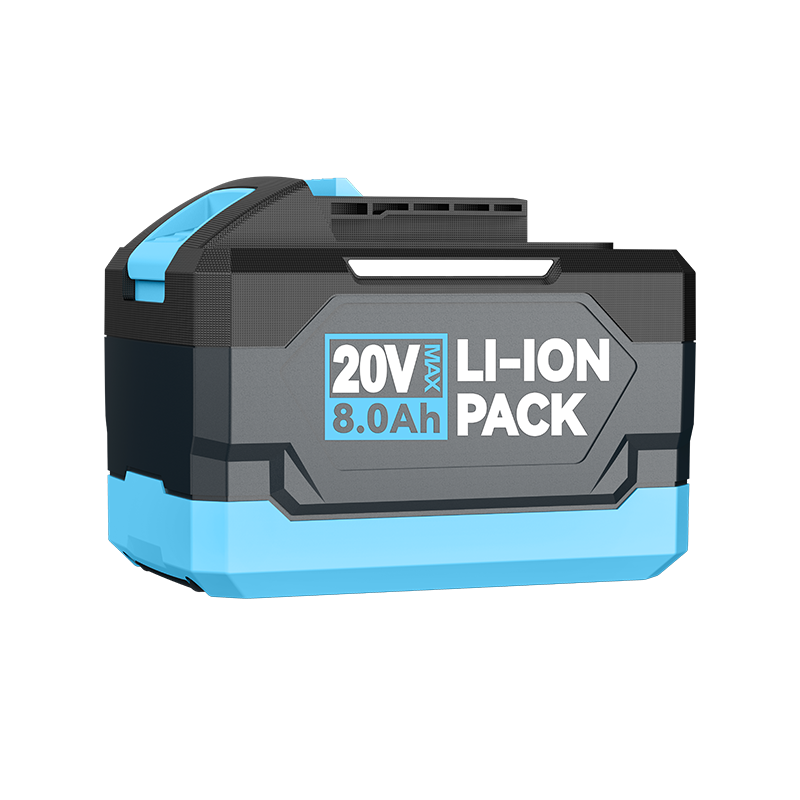
Battery capacity is also important because high torque draws a lot of current. A 2.0 Ah battery will remove a handful of lug nuts, but a 6.0 Ah or 8.0 Ah battery keeps a steady output for a full day of work. We often tell users to consider buying at least two larger batteries, because nothing stops a tire change faster than a drained pack.
If you already own a cordless tool system, staying within that platform lets you share batteries and chargers. If you are building a kit from scratch, focus on the high-capacity battery options and a charger that can replenish the pack in under an hour.
Size, Weight and Drive Size: Finding the Balance
Maximum power is not the only design goal. A heavy, bulky impact wrench can be tiring to hold and may not fit in tight wheel wells. Many automotive lug nut jobs do not require a massive hammer; they require a tool that is compact enough to reach recessed nuts and light enough to position confidently.
Here are the main size considerations for a lug nut wrench:
Key dimensions and specs to compare when choosing an impact wrench for tire work
| Parameter |
Recommended value |
Why it matters |
| Drive size |
1/2-inch |
Fits standard wheel sockets and withstands high torque. |
| Torque range |
600 N·m / 1000 N·m |
Breaks free rusted or over-torqued nuts consistently. |
| Body length |
Under 180 mm without battery |
Reaches recessed lug nuts; improves leverage and control. |
| Weight |
1.5–2.5 kg with battery |
Balances portability and power for roadside work. |
| Speed modes |
3-speed or variable speed |
Prevents over-tightening when reinstalling. |
A compact brushless impact wrench around 350 N·m might be enough for small cars, but it will struggle on a truck or on a wheel that has been torqued by a pneumatic station. A better all-rounder is one with a 600 N·m rating in a compact body. For industrial service, a 1000 N·m model becomes a legitimate replacement for an air impact gun.
How to Choose the Right Impact Wrench for Tire Work: A Checklist
If you are comparing models, work through this short checklist before you commit to a purchase.
- Check the rated loosening torque, not just maximum torque: Many manufacturers advertise a fastening torque and a loosening torque. The loosening torque is often higher and is the number that matters for breaking nuts.
- Confirm the drive size: A 1/2-inch drive is the working standard. Choose a tool that includes or accepts aftermarket impact-grade sockets.
- Match the voltage to your other tools: If you already own 16V or 20V tools, staying within that family avoids another charger and another battery type.
- Look at the speed modes: When reinstalling lug nuts, a lower speed mode helps you avoid overtightening. A tool with a three-speed selector or a variable-speed trigger is more practical.
- Weigh the tool with the battery: A heavy wrench may cause fatigue on your wrists, especially if you are changing multiple wheels.
- Consider the impact mechanism quality: A twin-hammer mechanism is common and reliable; some manufacturers use a pin-detent or steel impact mechanism for extra durability.
For heavy-duty shop use, you may also want to look at a tool with higher capacity. We have a detailed page about industrial-grade cordless impact wrench options if you need that level of performance.
Safety and Practical Tips for Lug Nut Removal
An impact wrench is powerful, but it still needs to be used correctly. The following tips will protect you and your vehicle.
Break the torque before lifting the car
Loosen each lug nut one half turn while the wheel is still on the ground. This prevents the wheel from spinning while you are applying force and keeps the vehicle stable. Never start loosening nuts after the car is fully jacked up unless there is no other option.
Use impact-rated sockets
Chrome sockets can shatter under the repeated shock load of an impact wrench. Use black steel or specifically marked impact sockets. Select the correct six-point socket for six-point nuts; a twelve-point socket can round the nut corners under high torque.
Do not over-tighten when reinstalling
When you put the wheel back on, use the lowest speed mode or stop the impact wrench after the socket begins to meet resistance. Finish the final tightening with a torque wrench to match the vehicle manufacturer's specification. Over-tightening with an impact wrench can warp brake rotors and strip the lug nut threads.
Inspect the trigger behavior
Many high-powered impact wrenches have a long trigger travel. Use short bursts rather than holding the trigger wide open. This reduces stress on the tool and gives you more control.
Can Other Tools Remove Lug Nuts? A Quick Comparison
An impact wrench is the best all-around tool, but other tools can handle the job under the right conditions. Here is a quick look at the pros and cons of alternatives.
Breaker Bar and Socket
Pros: cheap, reliable, fits in tight spaces, no battery needed.
Cons: high physical effort, slow, and risky on rusted fasteners because you can break a stud or slip and injure your hand.
Torque Wrench
Pros: designed for precise tightening, not for high-volume removal.
Cons: very low torque output compared to an impact wrench; using it to loosen nuts is possible only for lightly torqued wheels.
Impact Driver
Pros: compact and useful for smaller fasteners and hex bits.
Cons: 1/4-inch hex chuck, not designed for large sockets or high torque typical of lug nuts.
Cordless Drill
Pros: already in many tool kits.
Cons: very limited torque, no true impact hammering, and high risk of stripping the wheel fasteners or stalling the tool.
For the occasional homeowner who only changes wheels in a dry garage, a breaker bar and torque wrench are acceptable. But if you want to feel prepared for a roadside tire change in bad weather, or if you work on more than one vehicle, a brushless cordless impact wrench is the practical investment.
Our Recommended Brushless Impact Wrenches for Lug Nut Removal
From our own manufacturing experience, we have selected three cordless impact wrench configurations that match different needs. All are brushless, use high-capacity lithium batteries, and are built with the repeated high-load work of wheel service in mind.
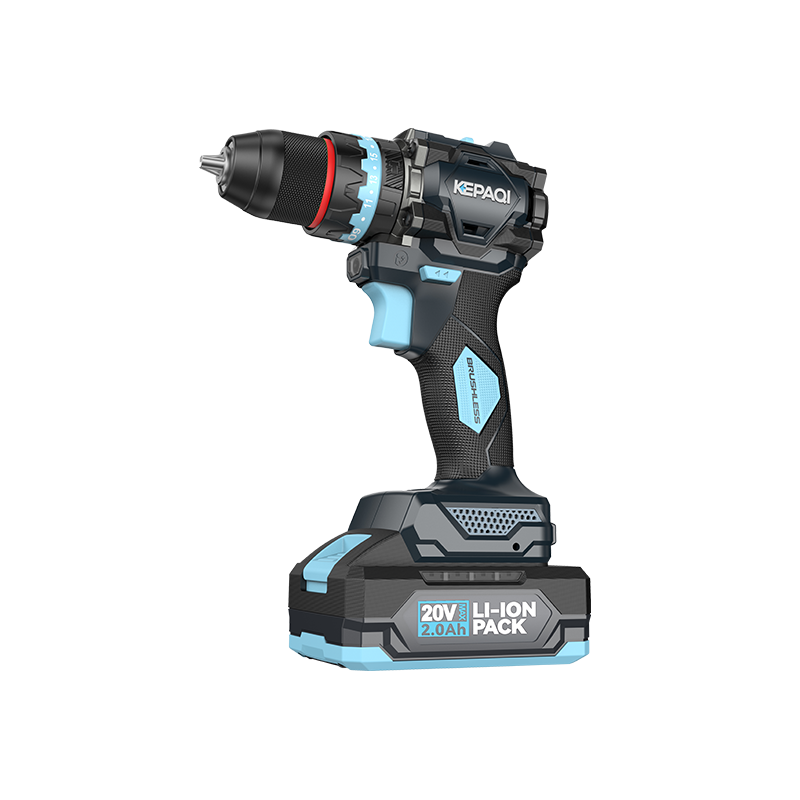
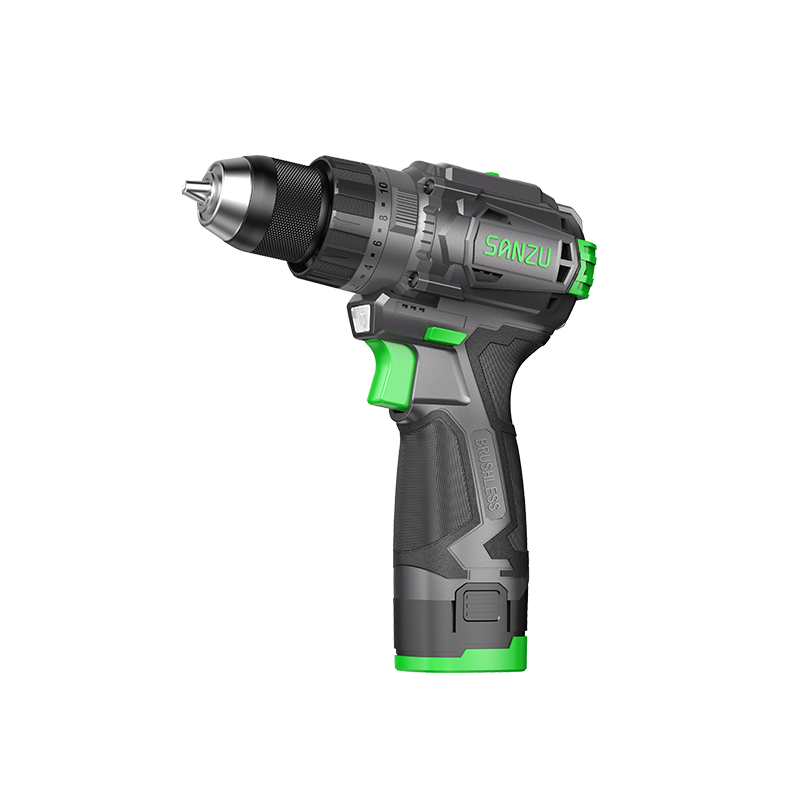
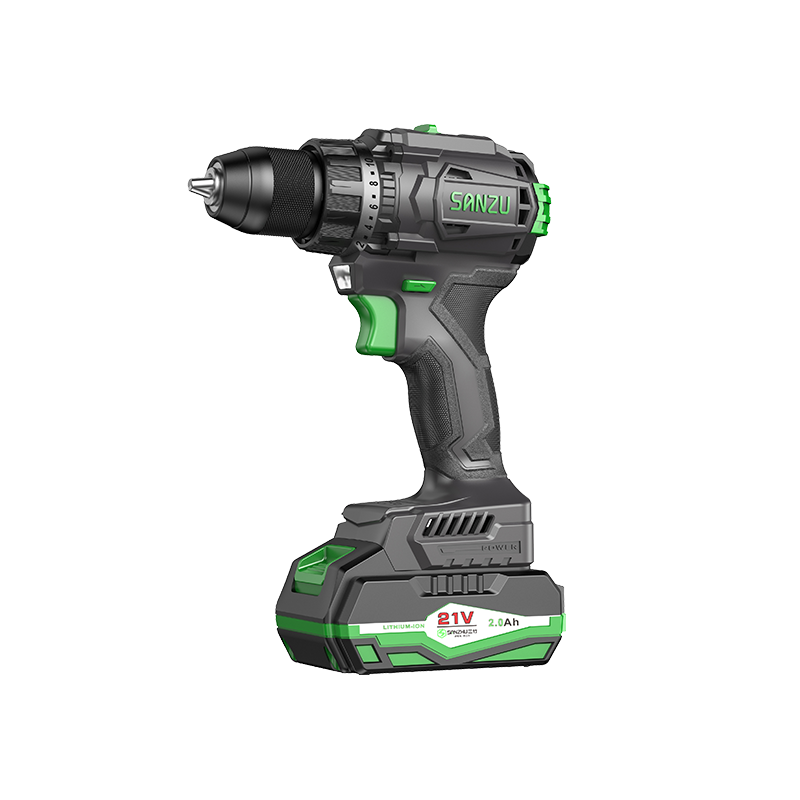
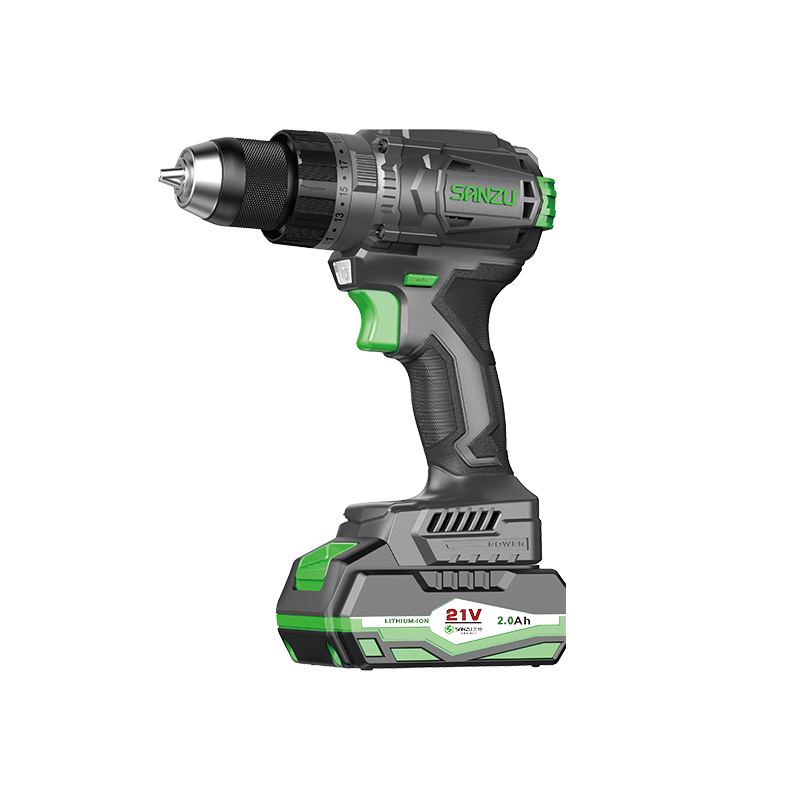
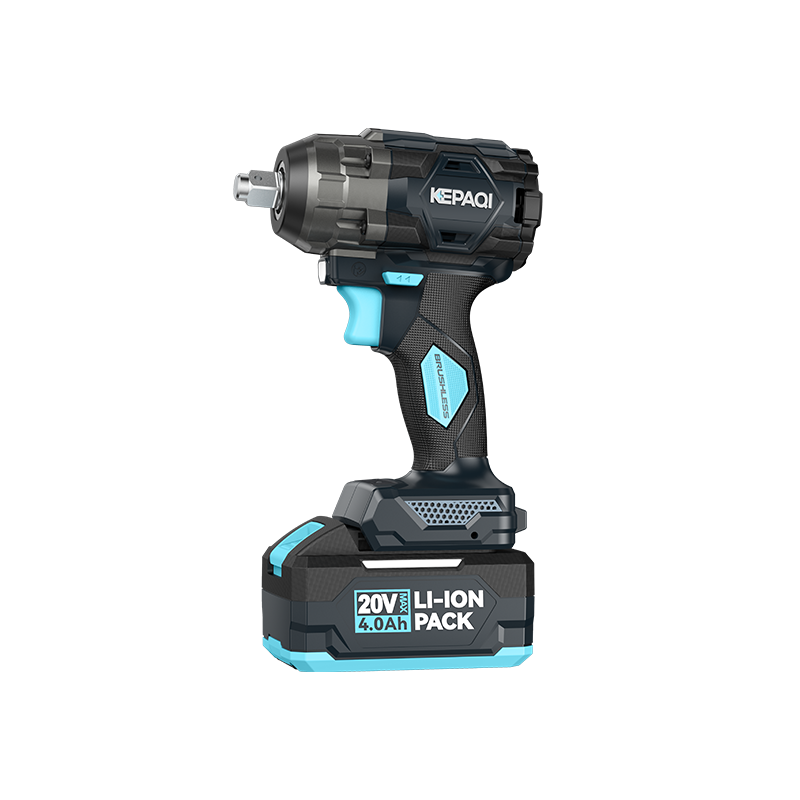 20V Three-Gear Brushless Impact Wrench for Car and SUV Wheel ServiceThis balanced cordless wrench offers adjustable three-gear torque up to 600 N·m, making it a practical fit for removing and reinstalling lug nuts on most passenger vehicles and SUVs.View Product →
This is our most balanced recommendation for the majority of passenger cars and SUVs. The three-gear adjustment lets you choose a lower speed for reinstallation and the full 600 N·m when breaking loose stubborn nuts. Its compact body fits well inside wheel wells and under fender covers.
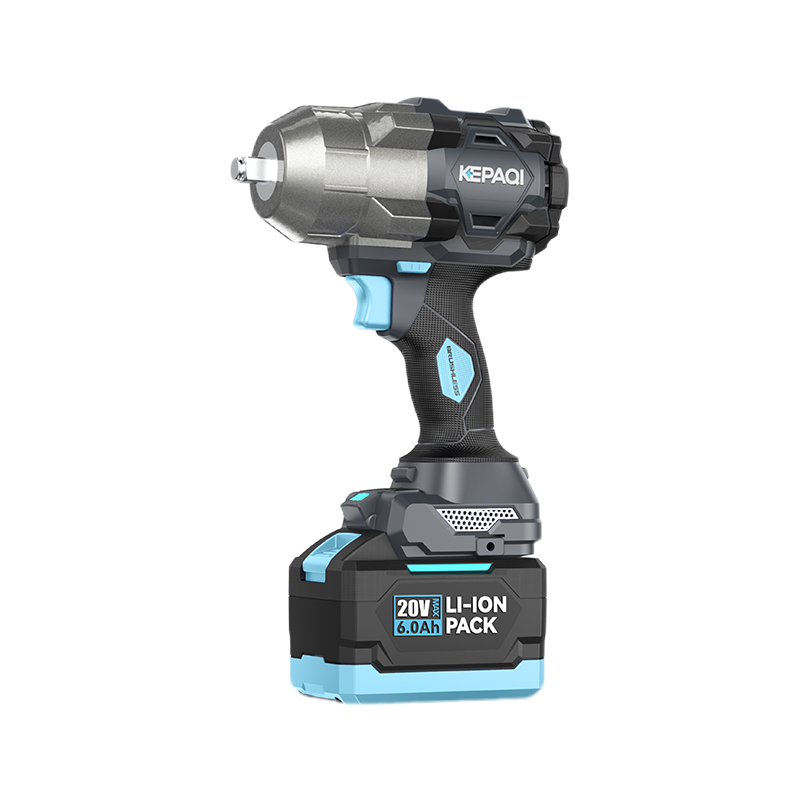 KPQ20V High-Torque Brushless Impact Wrench for Heavy-Duty FastenersEngineered for light trucks and vans, this model delivers 1000 N·m of loosening torque, providing air-gun-level power in a portable cordless design for rusted bolts and suspension work.View Product →
If you own a light truck, van, or frequently encounter heavily rusted fasteners, this model is designed for you. With 1000 N·m of loosening torque, it can replace an air impact gun for almost all wheel and suspension work, yet it remains cordless for portability.
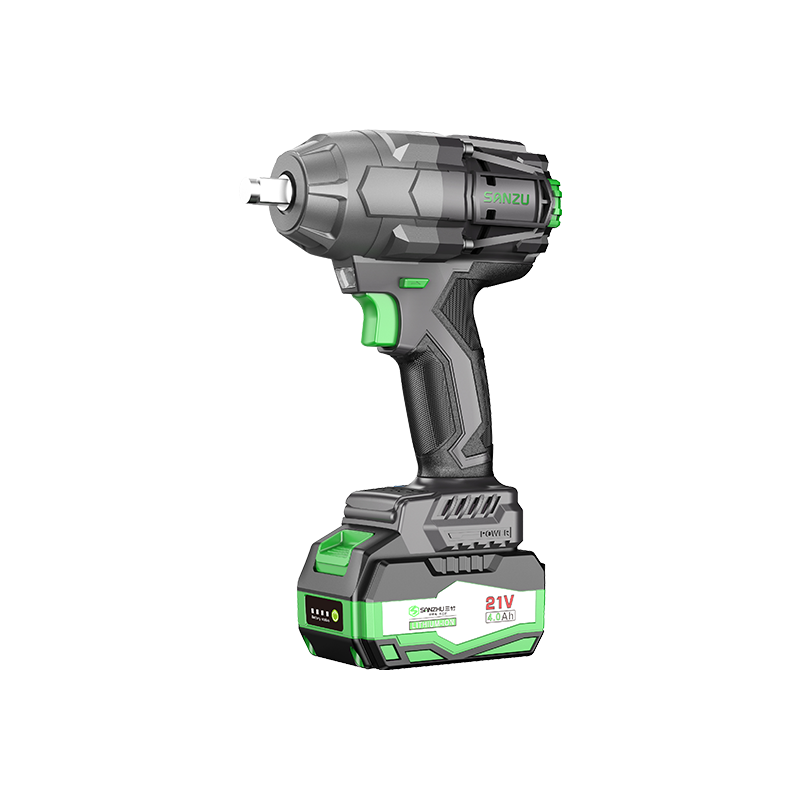 21V Compact Brushless Impact Wrench with High-Torque MotorA versatile middle-ground option with a lighter body and strong peak torque, suited for roadside emergencies and general automotive fasteners like strut bolts and sway bar links.View Product →
This is a middle-ground choice with a high-torque motor and a slightly lighter body. It works neatly for roadside emergency use and for other automotive fasteners, from strut bolts to sway bar links. The 21V platform provides good peak power while the compact size keeps handling comfortable.
All three models accept the same series of high-capacity batteries from our accessory range, so you can build a single battery platform for multiple tools. If you plan to use the impact wrench frequently, pair it with a 6.0 Ah or 8.0 Ah pack for consistent output throughout the work session.
Frequently Asked Questions
Can an impact wrench remove lug nuts?
Yes. An impact wrench is the most efficient tool for removing lug nuts. The hammering action overcomes the static friction of tightly seated nuts much better than a constant twisting force.
What is the minimum torque for a lug nut impact wrench?
For passenger cars, a torque rating of 300 to 400 N·m can work under ideal conditions, but 600 N·m is a safer minimum because it gives you extra capacity for rusted or over-torqued fasteners. For trucks and larger vehicles, choose 1000 N·m or more.
Should I buy a corded or cordless impact wrench for tire changes?
Cordless is the better choice for most people today. A 20V or 21V brushless model provides enough torque for tire work, and being cordless lets you use it on the roadside without an extension cord. Corded models may have slightly lower cost and unlimited runtime, but they are far less practical outside the garage.
Can I use a 3/8-inch drive impact wrench on lug nuts?
You can use a 3/8-inch drive model only for small cars with low torque requirements. However, the range of available sockets is weaker and the internal impact mechanism is smaller. For general use, a 1/2-inch drive wrench is strongly recommended.
How does a brushless motor improve an impact wrench for tire work?
A brushless motor improves runtime, produces less heat, and allows more precise electronic control. This gives a battery-powered impact wrench a higher sustained torque output, which is essential for breaking free multiple lug nuts in a single session.

 English
 русский
 Español