The Core Difference Between a Drill Driver and an Impact Driver
A drill driver delivers smooth, continuous rotational torque through a three-jaw adjustable chuck, which is what makes it accurate for drilling holes and gentle enough for controlled screw driving. An impact driver delivers the same rotation plus a rapid series of concussive blows through a hammer-and-anvil mechanism, which lets it drive long, thick fasteners that would stall a conventional drill. In short: the drill driver is the precision tool for drilling and light-to-medium fastening; the impact driver is the high-torque fastening specialist.
The difference starts at the mounting point. A drill driver has a keyless three-jaw chuck that accepts round-shank drill bits in 10 mm or 13 mm sizes, as well as standard hex screwdriver bits. An impact driver uses a 1/4-inch hex quick-release collet, which holds hex-shank bits only. That single design choice changes the tool's torque curve, accuracy, noise, vibration and the range of tasks it can perform.
Drill Driver
- Three-jaw keyless chuck for round bits
- Continuous rotational torque
- Adjustable clutch prevents over-driving
- Precise drilling and controlled screw placement
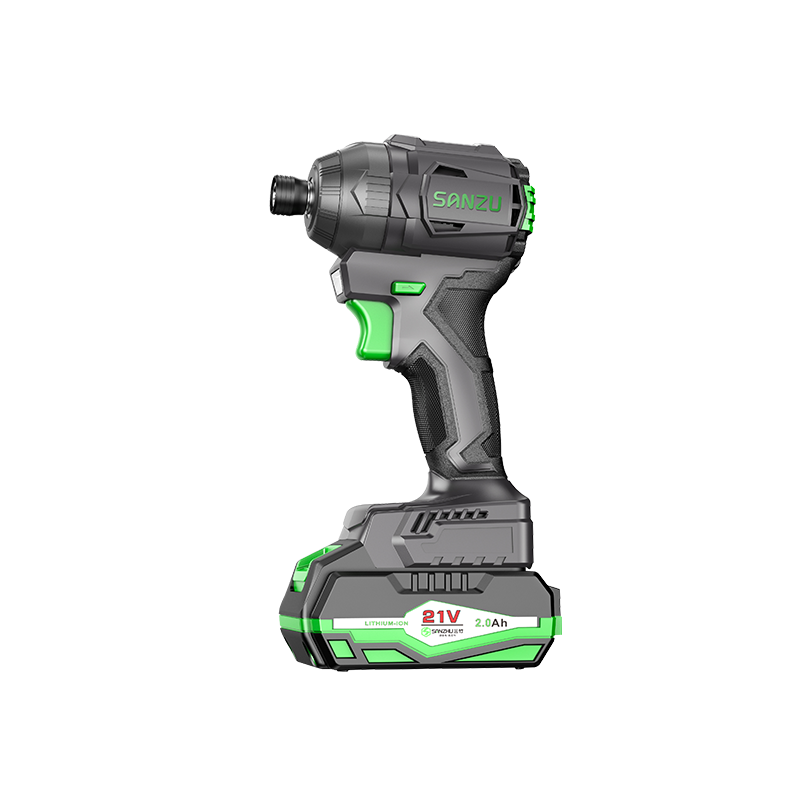
Impact Driver
- 1/4-inch hex quick-release collet
- Rotational torque plus concussive hammer blows
- Higher peak torque in short bursts
- Compact length, ideal for confined spaces
How a Drill Driver Works
Inside a cordless drill driver, the motor drives a planetary gear train that rotates the chuck. Two-speed versions are common in the 16 V and 20 V classes: low gear produces higher torque, usually between 40 and 70 N·m on compact brushless models, while high gear reaches 1,400 to 1,900 rpm for fast drilling in wood, metal and plastic. Because the rotation is continuous, the bit speed responds directly to trigger pressure, which gives you a level of feel that an impact mechanism cannot offer.
The adjustable torque clutch is the other defining feature. A collar behind the chuck, typically with 15 to 22 click positions, disengages the drive once the set resistance is reached. That is how a drill driver can sink a 4 mm screw into softwood without the head buried below the surface, or install a hinge screw to exactly the same depth every time. Without this clutch control, screw heads would strip far more often and visible trim work would lose its clean finish.
From a quality-control point of view, the drill driver's performance comes down to chuck runout, gear durability and the motor. A chuck with low runout keeps bits concentric and prevents wobble during deep drilling. A gearbox with hardened steel gears stays quiet under repeated load, and a brushless motor holds its rated torque as the battery voltage drops while producing less heat. These are the three areas we check in the quality lab before a production batch is approved.
How an Impact Driver Works
An impact driver replaces the chuck with a 1/4-inch hex collet and replaces the torque clutch with a hammer-and-anvil impact mechanism. The motor spins a heavy hammer assembly, and spring-loaded teeth repeatedly slam against the anvil, converting stored rotational energy into short, powerful impacts. Typical impact rates range from 2,500 to 3,400 blows per minute, and every blow delivers a torque spike far higher than the tool's continuous motor torque.
This impact burst is what makes the tool so effective. When a screw meets resistance, the driver hammers in short rotational pulses instead of constantly twisting. The result is very high peak torque for driving long wood screws into hardwood, self-drilling screws into thin steel, and structural fasteners where a drill would stall and heat up. The impacts also absorb reaction torque, so a good impact driver can be operated one-handed, even on a ladder or inside a kitchen cabinet.
The trade-offs are real. An impact driver has no adjustable clutch, and the concussive action can cam out small bits if you do not keep the tool aligned. Round drill bits need a hex adapter, and drilling accuracy will never match a true chuck. The tool is also louder and transmits more axial vibration. In exchange you get a compact, lightweight driver that is the fastest way to sink a box of decking screws.
Five Key Differences Between a Drill Driver and an Impact Driver
Once you understand the two mechanisms, the performance differences can be grouped into five areas. The table below summarises how the tools compare in the 20 V brushless class.
Comparison of typical specifications for a 20 V class brushless drill driver and impact driver.
| Parameter |
Drill Driver |
Impact Driver |
| Chuck type |
10 mm or 13 mm three-jaw keyless chuck |
1/4-inch hex quick-release collet |
| Torque delivery |
Continuous rotational torque |
Rotational torque plus hammer blows |
| Typical max torque |
40 to 90 N·m |
120 to 220 N·m |
| Speed range |
Two-gear, 0 to 1,900 rpm |
0 to 2,800 rpm plus impacts |
| User control |
Adjustable clutch, no surprises |
No clutch; torque delivered in bursts |
| Noise at work |
70 to 80 dB |
90 to 100 dB |
| Vibration feel |
Low, felt through the hands |
Axial pulses, noticeably stronger |
| Best at |
Drilling holes, small screws, trim work |
Long screws, heavy fastening, repetitive driving |
Torque Delivery
The chart below shows the typical rated torque range for 20 V brushless tools. A drill driver produces continuous torque that you can modulate with the clutch. An impact driver produces higher peak torque in pulses, which is why it can sink a 150 mm screw that would stall a drill driver.
Typical rated torque range for 20 V class brushless cordless tools.
Speed and Control
Drill drivers give you a gearbox and a clutch for control. Impact drivers give you a variable-speed trigger and, on some models, three speed or torque modes, but the real control comes from the impact action itself rather than a clutch ring. If you need a steady feed rate for a clean hole, the drill driver wins. If you need maximum bite on a long screw, the impact driver wins.
Noise and Vibration
The hammer-and-anvil mechanism generates repeated metal impacts, which are audible and can be felt along the axis of the tool. A drill driver in normal drilling produces much less noise. Ear protection is strongly recommended when using an impact driver for long periods.
Typical noise level measured near the operator's ear under load.
When to Use a Drill Driver
A drill driver is the correct tool whenever the result depends on accuracy and measurable feel. Typical jobs include pilot holes for screws, through-holes in wood frames, holes in metal with HSS bits, plastic enclosures, hinges, cabinet hardware, mending plates, and interior trim where a single proud screw head ruins the finish.
It is also the safer choice for small fasteners. A 3 mm screw in a partition wall, a hinge screw in a door jamb, or a drywall screw in a timber stud can be set to an exact depth with clutch control. The continuous rotation also makes a drill driver suitable for mixing paint with a paddle, driving self-feed bits at low speed, and sanding or brushing with accessory mandrels.
For a first tool, a compact brushless drill driver is the most balanced recommendation because it can drill and still handles driving duties well. If your work is mostly general maintenance, furniture assembly and household repairs, start with the drill driver and add an impact driver later.
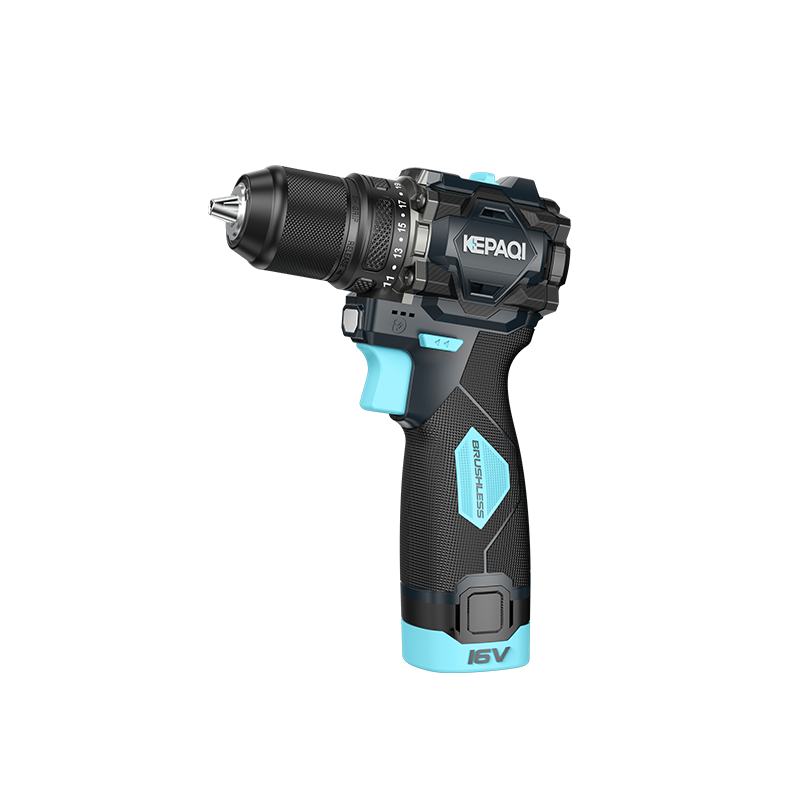 Compact Brushless Drill Driver with Dual-Gear AdjustmentBalanced for general maintenance and furniture assembly, this drill driver offers strong torque and compact handling—ideal as a versatile first tool before adding an impact driver.View Product →
When to Use an Impact Driver
Reach for an impact driver when speed and torque matter more than finish. It is the dominant tool for decking, timber frames, fence pickets, pergolas, guttering, steel-to-steel self-drilling screws, and long fasteners into engineered lumber. The compact hex collet lets you work between studs, inside cabinets and under a vehicle, and the one-hand operation frees the other hand for holding material.
Impact drivers also shine in repetitive work. If you are installing dozens or hundreds of screws in a day, the impact action reduces the strain transferred to your wrist, and the tool keeps a consistent bite on the screw without the user pushing hard. For structural lag bolts, use a hex socket adapter and let the impact action seat the fastener instead of leaning all your weight on the tool.
The size advantage is significant too: since there is no chuck, the overall length of an impact driver is shorter, which makes it easier to fit into confined cavities and between roof rafters.
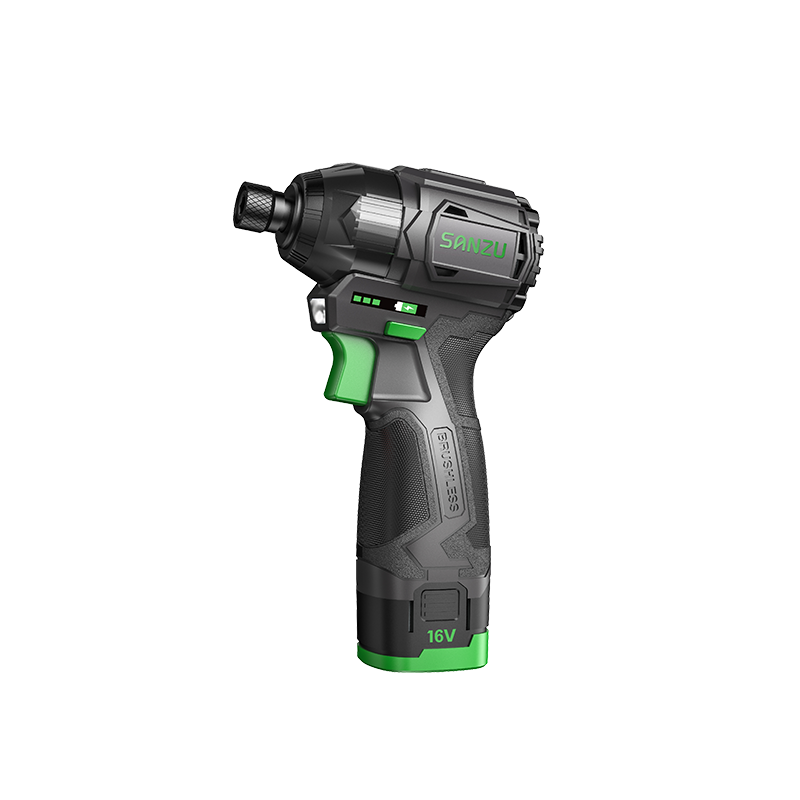 High-Torque Cordless Impact Driver with Hex ChuckShorter than a drill driver for confined spaces, this impact driver delivers fast, powerful fastening while freeing a hand—perfect for tight cavities and overhead work.View Product →
Can an Impact Driver Replace a Drill?
Strictly speaking, no. You can use an impact driver for quick drilling with hex-shank drill bits, and many users do so for small pilot holes. But the hex collet cannot clamp a round-shank bit concentrically, the bit can wobble, orbital runout is higher, and the impact action can shatter small drill bits or chip laminate surfaces. For clean holes in wood, metal or plastic, the drill driver with a fixed chuck is still the correct tool.
That is why most professional tool systems include both. The two tools share the same battery platform, and the best setup is very often a compact brushless drill driver for precision work plus a compact brushless impact driver for fastening. Neither tool covers the full range alone, so treating them as replacements for one another usually leads to frustration on one side of the workload.
Motor and Battery Platform Considerations
Brushed versus Brushless Motors
Brushless motors change the comparison because they maintain torque across the whole battery discharge curve, generate less heat and run longer on one charge. In an impact driver, the brushless motor allows the hammer mechanism to cycle more consistently at high blow rates. On a drill driver, a brushless motor improves low-speed torque, which means the clutch operates more predictably at low torque values.
The difference is measurable in real use. A brushed motor loses output as the battery drains, so the last ten screws of a session can feel weaker than the first ten. A brushless tool, by contrast, keeps roughly constant torque until the battery protection circuit cuts out. This matters most for impact drivers, where high torque demand overlaps with high current draw.
Voltage Choices Explained
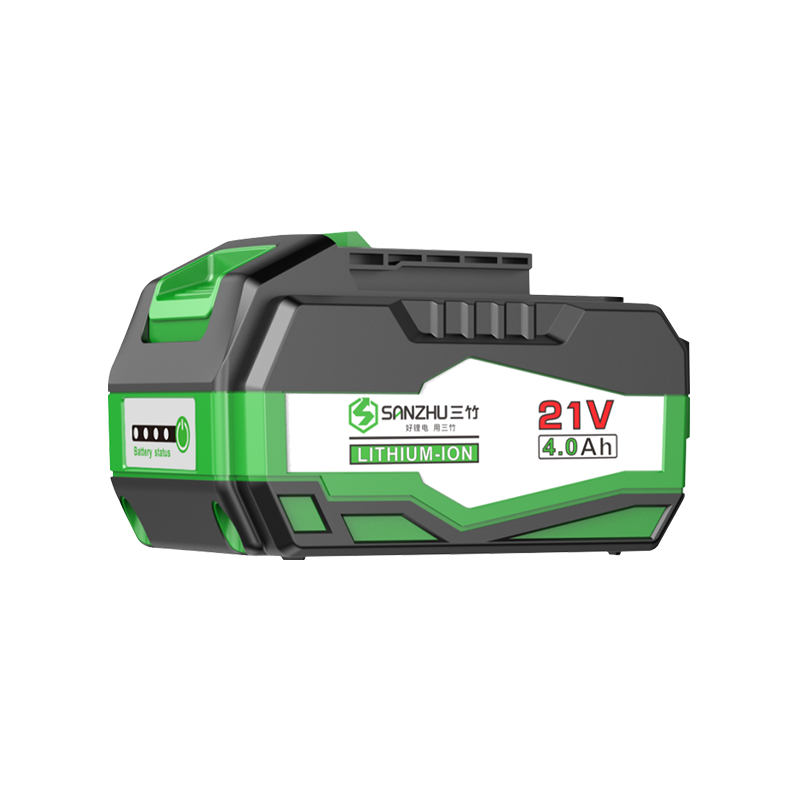
The 12 V class is for light cabinet and electronics work, 16 V covers most home and light professional duty, and 20 V or 21 V is the standard for sustained professional work. Note that 20 V max and 21 V max are marketing numbers for nominal 18 V systems; the actual cell configuration matters more than the printed label. A 16 V tool with a good brushless motor can outperform an older 20 V brushed tool in torque and runtime.
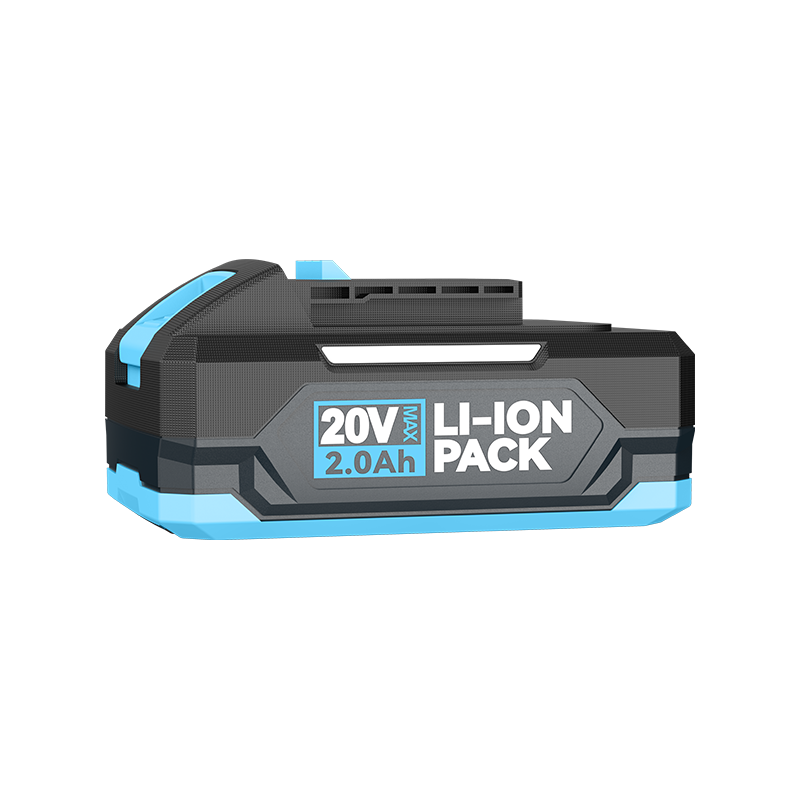
Battery capacity also matters. A 2.0 Ah battery is fine for a compact drill, but an impact driver on heavy screw-driving will drain it quickly; a 4.0 Ah or 6.0 Ah pack gives more runtime and, in many designs, higher sustained torque under load. If you plan to buy both tools, choose them on the same battery platform so one battery and one charger serve both.
Choosing the Right Tool: What a Manufacturer Checks
From our side of the production line, most performance problems come from the parts you cannot see in product photos. The rated torque claimed on a spec sheet is rarely the torque a user can measure at the collet, so a trustworthy manufacturer tests mounting torque and breakaway torque at the factory. When comparing models, look at the torque measured at the chuck or collet, the speed under load, and the battery drain rate, not just the peak number in the title.
A few features deserve special attention. On a drill driver, test the chuck: a quality keyless chuck should close evenly and not wobble even when a long drill bit is fully extended. On an impact driver, test the collet retention: a bit should click in cleanly and hold firmly when pulled. Head weight is also important; a poorly balanced tool adds fatigue quickly. Finally, check the trigger response. A brushless controller with fine variable speed gives better precision and prevents the bit from skittering across the surface on startup.
In our own durability tests, we measure runout at the chuck, torque consistency from full battery to low battery, noise under load, and the number of seating cycles the hammer mechanism can survive. These are the parameters that separate a tool that works well for years from one that fades after a few heavy jobs. If a spec only advertises max torque and max rpm, ask how those numbers were measured and at which charge level.
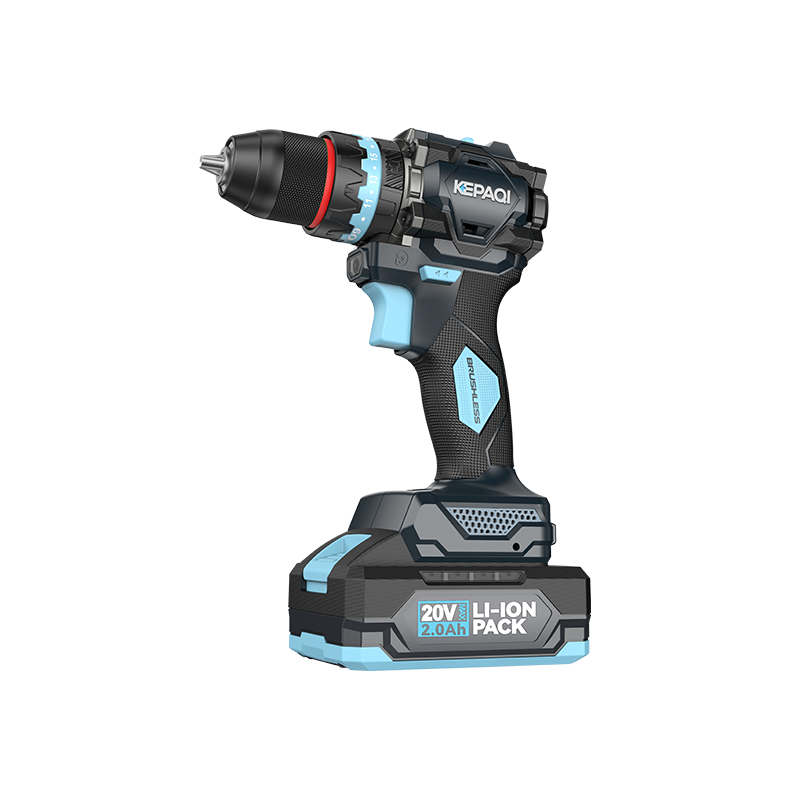 Lightweight Variable-Speed Brushless Drill for RepairsWith dual speed settings and a compact 160mm body, this drill suits home renovation and daily repairs, offering stable torque and easy one-handed operation.View Product →
Common Mistakes to Avoid
Both tools are tough, but a few habits will damage bits, fasteners or the tools themselves. These are the mistakes we see repeated most often:
- Using an impact driver with a round-shank bit and a cheap adapter. The bit can slip and score the collet, and the wobble reduces driving accuracy.
- Driving screws without a pilot hole in dense hardwood. This snaps bits, buries screw heads and can split the timber close to the edge.
- Relying on an impact driver for masonry drilling. The hammer action is axial impact, not the rotary-percussion motion a hammer drill provides.
- Leaving the drill driver clutch at the highest setting when driving small screws into softwood. The screw will strip or push through the panel.
- Running the impact driver at full throttle after the screw is already seated. This distorts the anvil, stresses the battery and rounds out the screw slot.
- Using worn hex bits. A rounded tip starts to cam out of the screw head, which damages the fastener and wastes time.
A simple rule helps: let the clutch do its work on a drill driver, and stop the impact driver the moment the screw seats. Both tools work best when they are not forced.
Maintenance and Safe Operation
Keep the chuck jaws and collet clean. Sawdust contains resin that hardens inside a chuck and reduces gripping strength; blow it out regularly with compressed air. For impact drivers, clean the hex slot and the ball detent that holds the bit, and replace any bit with a worn tip, since a worn bit is the main cause of cam-out.
On the battery side, store packs in a dry area between 10 and 25 degrees Celsius, avoid leaving them fully depleted for weeks, and use the matched charger. Do not force a failing battery; a pack that cannot deliver current will cause the motor to overheat. If a tool feels weaker than usual while the battery shows charge remaining, check the battery contacts and the tool vent slots before blaming the motor.
For safe operation, always wear eye protection with both tools. Use ear protection when an impact driver runs for extended periods. Do not use an impact driver in place of an impact wrench for high-stress fasteners such as vehicle lug nuts; the two tool classes are rated for different loads. Inspect bits for cracks before high-torque work and replace them immediately if they show damage.
Frequently Asked Questions
Can I use an impact driver as a drill?
Yes, but with limitations. Using hex-shank drill bits, you can make small pilot holes in wood, and for quick holes in thin material the speed may be acceptable. For precise, large-diameter or deep holes, especially in metal or laminate, a drill driver with a round-shank bit held in a chuck is far better. The impact driver collet is not designed for concentric accuracy.
Which tool is better for driving screws?
For small and medium screws in soft material, the drill driver with a clutch gives more control and prevents over-driving. For long, thick or coarse-thread screws into dense wood, or for large volumes of screws, the impact driver is faster, produces more torque and causes less fatigue. Most professionals keep both on site.
Should I buy both a drill driver and an impact driver?
If the budget allows and you work regularly on wood, furniture or construction, yes. A compact brushless drill driver covers drilling and delicate fastening; a compact brushless impact driver covers heavy driving. Bought on the same voltage platform, they share batteries and chargers, which makes the pair more cost-effective than buying one universal tool.
Is an impact driver the same as an impact wrench?
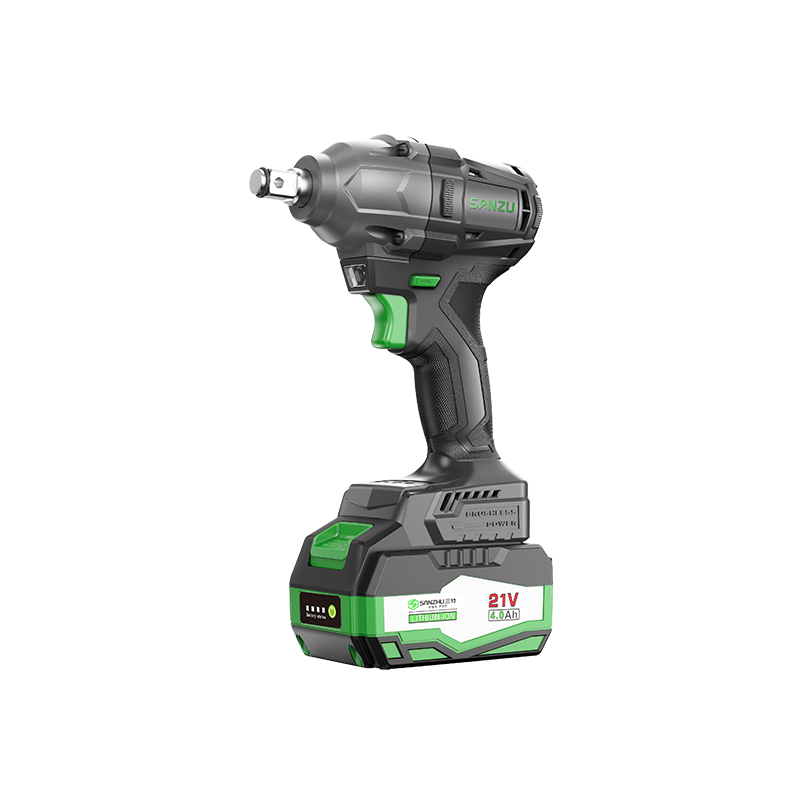
No. An impact driver uses a 1/4-inch hex collet and drives screwdriver bits or small hex socket adapters for light- to medium-torque jobs. An impact wrench uses a 1/2-inch square drive with sockets and is built for wheel nuts, bolts and machinery fasteners at much higher torque, usually 300 N·m and above.
Why is an impact driver noisier than a drill?
Because of the hammer-and-anvil mechanism. Every impact is a short metal-to-metal collision inside the housing, and the sound level commonly reaches 90 to 100 dB near the tool. The noise is the mechanical impact that produces the high torque. Continuing to run an impact driver after the screw seats adds noise without adding useful work.
Can I use round drill bits in an impact driver?
Only with a hex adapter that clamps the round shank, and even then accuracy will be lower than with a three-jaw chuck. For occasional pilot holes this is acceptable, but for regular drilling, or when the hole position matters, use a drill driver. Installers who carry one tool often prefer a compact drill driver plus a few hex-shank bits.
Which voltage should a first-time buyer choose?
16 V is a strong choice for home maintenance, furniture assembly and light professional use because the tools are lighter and the price is lower. For sustained daily work in construction, woodworking or installation, a 20 V or 21 V brushless platform gives more headroom for drilling thick material and driving long screws. The key is choosing a brushless motor rather than chasing the highest voltage number.
Does a brushless motor really make a measurable difference?
Yes. In our tests, brushless motors hold torque output across the entire battery discharge period, generate less heat during prolonged heavy use, and last longer because there are no carbon brushes to wear out. For an impact driver, the brushless motor also keeps the hammer mechanism cycling at a consistent blow rate, which directly improves driving speed.

 English
 русский
 Español