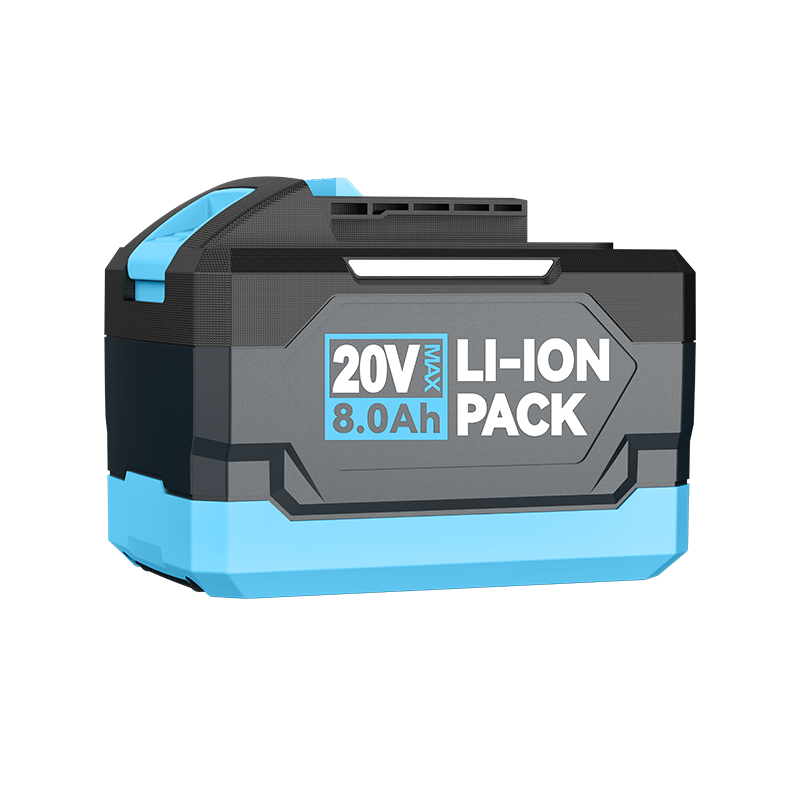
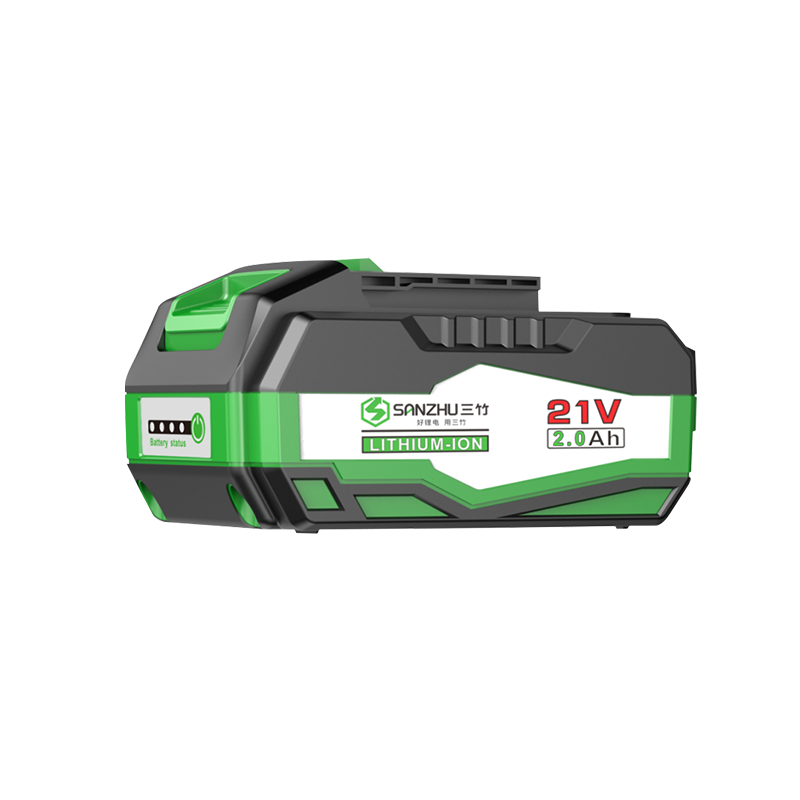
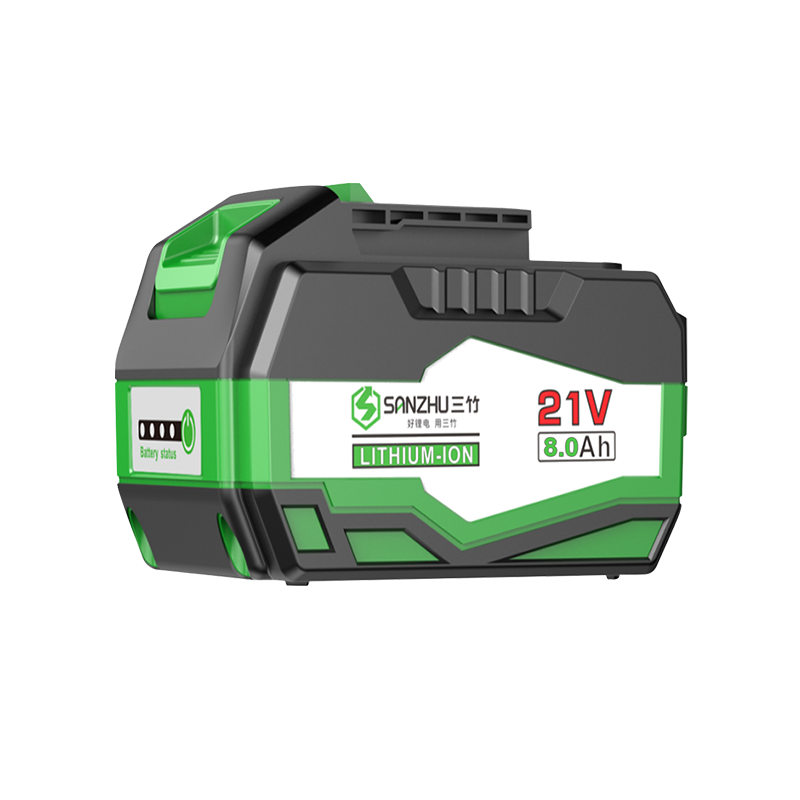
Short answer first: a mid-torque impact wrench covers roughly 300 to 650 N·m, ships with a 1/2-inch square drive, and is sized for passenger-car wheel nuts, suspension bolts and general assembly work up to about M16. A high-torque wrench starts near 700 N·m, frequently reaches 1,000 to 1,200 N·m, and exists for the fasteners a mid-torque tool simply cannot move: heavy-truck wheel nuts torqued to 600 N·m and then rusted in place for three winters, M20 to M30 machinery bolts, and chassis hardware that has been on the road for a decade.
The difference is not only peak torque. It is anvil size, motor and gearbox mass, peak current draw, socket inventory, and how long a technician can hold the tool above shoulder height before their wrist complains. Choosing between the two classes is a decision about the fastener range you intend to cover, not about which number looks more impressive on a specification sheet.
The Real Dividing Line Sits near 650 N·m
In practice, the cordless impact wrench market splits into four bands. Compact models run 150 to 300 N·m and behave like oversized impact drivers. Mid-torque models run 300 to 650 N·m and are the workhorse of automotive service. High-torque models run 700 to 1,200 N·m and carry reinforced 1/2-inch or 3/4-inch anvils. Above 1,200 N·m you are in the ultra-torque class, where 3/4-inch and 1-inch drives become normal and the tool is measured in kilograms rather than grams.
The boundary that matters commercially is around 650 N·m, because that is where the physical trade-offs become visible to the user: weight, length, current draw and price all step up together.
Indicative class boundaries drawn from common 20–21 V cordless platforms; individual models can sit on either side of the line.
| Selection factor |
Mid-torque class |
High-torque class |
| Peak fastening torque |
300–650 N·m |
700–1,200 N·m |
| Square drive |
1/2-inch standard |
1/2-inch reinforced or 3/4-inch |
| Tool weight with a 5.0 Ah pack |
1.6–2.4 kg |
2.8–5.0 kg |
| Head-to-tail length |
150–190 mm |
200–280 mm |
| Peak current draw under load |
20–30 A |
35–60 A |
| Socket range in daily use |
10–24 mm |
17–38 mm |
| Comfortable fastener ceiling |
M16 |
M30 |
| One-handed work overhead |
Realistic |
Brief only |
| Most common warranty complaint |
Overload on M20+ hardware |
Battery and trigger fatigue |
Read the table as a design brief rather than a rulebook. A well-built 600 N·m mid-torque unit will break a 400 N·m truck nut loose without drama, because breakaway torque on a rusted fastener is a different problem from tightening torque. That distinction is where most buying mistakes start.
Why the Torque Printed on the Box Is Not the Torque You Feel
Two wrenches labelled 600 N·m can behave differently on the same wheel nut. The label is a laboratory result measured under one specific method, and the methods are not identical across the industry.
Nut-busting torque versus fastening torque
Fastening torque is measured while tightening a joint in controlled conditions. Nut-busting torque, sometimes called breakaway torque, is measured while loosening a fastener that has already been tightened. Breakaway figures are usually higher, often by 20 to 40 percent, which is why some catalogs quote the larger number and some quote the smaller one. When you compare two products, confirm they use the same direction of measurement before you trust the gap between them.
The five-second test and joint stiffness
Most impact wrenches reach their rated torque after several seconds of continuous impacting on a specified joint, typically a hard joint with a defined bolt and washer stack. On a soft joint, or on a fastener that has corroded into its thread, the same tool delivers noticeably less. The practical lesson is that rated torque describes capability on a fresh, clean joint, while real workshop torque describes capability on a joint that has been outdoors for a long time.
Battery state of charge and temperature
An impact wrench running on a warm 4.0 Ah pack at 80 percent charge delivers close to its rated output. The same tool on a cold pack at 30 percent charge does not. High-torque models are far more sensitive to this because they draw much higher current: the electronics throttle output to protect the cells, and the user experiences a tool that supposedly has 1,000 N·m but cannot shift a nut that a borrowed mid-torque unit handled last week. Always judge torque on a full pack, and judge a battery platform on how it behaves at the end of a shift rather than in the first ten minutes.
Torque Bands at a Glance
Plotting the four classes on one scale makes the gap obvious: the mid-torque band is wide, roughly a factor of two across the class, while the high-torque band narrows as the anvil size becomes fixed by the drive.
Typical maximum fastening torque by wrench class (N·m)
Compact 1/2-inch: 150–300 N·m
High-torque: 650–1,200 N·m
Ultra-torque 3/4-inch: 1,200–2,000 N·m
Bars are proportional to the top of each band on a 2,000 N·m scale. Indicative ranges only, not guaranteed values for any single model.
Notice where the overlap sits: a strong 650 N·m mid-torque unit and a modest 700 N·m high-torque unit are close on paper but nothing alike in the hand. The weight difference at that boundary is usually 800 grams or more, and that difference decides which tool a technician reaches for at nine in the morning and which one stays in the van.
Weight, Length and the One-Hand Question
Torque comes from displacement and gearing, and gearing comes from mass. A high-torque wrench cannot be built as light as a mid-torque wrench without giving up the impact energy that makes it useful. The consequence is entirely practical: overhead work, tight engine bays and one-handed positioning all favour the smaller tool.
Mid-torque
1.6–2.4 kg
Balanced around the middle of the body, short enough to fit between a wheel arch and a brake caliper, comfortable to hold overhead during a lift-mounted inspection.
High-torque 1/2-inch
2.8–3.6 kg
Longer nose, deeper motor housing, heavier anvil. Manageable on a wheel nut at waist height, tiring after twenty minutes above shoulder level.
High-torque 3/4-inch
3.8–5.0 kg
Two-handed territory. Needs a stabilised stance, a good socket and, on stubborn fasteners, a reaction arm or a second pair of hands.
For a service van covering mixed light and medium work, the mid-torque tool earns its place on the shelf because it is the one the technician will actually pick up. For a heavy-vehicle workshop, the reverse is true: a tool that cannot shift a 600 N·m nut is not a lighter option, it is a delay.
Drive Size Decides Your Socket Budget
Drive size is the hidden cost of moving up a class. A high-torque wrench with a 3/4-inch anvil cannot use the 1/2-inch socket set already in the shop, and impact-rated sockets, extensions and adapters in 3/4-inch are a separate purchase at a different price level. Adapting down from 3/4-inch to 1/2-inch with a reducer throws away much of the torque advantage and introduces a weak point in the chain.
Drive size selection guide; always pair impact-rated accessories with impact wrenches, never chrome hand-tool sockets.
| Square drive |
Socket range |
Typical fasteners |
Best matched wrench class |
| 3/8-inch |
8–19 mm |
M8–M12 |
Compact and light mid-torque |
| 1/2-inch |
10–24 mm |
M10–M16 |
Mid-torque, light high-torque use |
| 3/4-inch |
17–38 mm |
M16–M30 |
High-torque |
| 1-inch |
24–60 mm |
M24–M42 |
Ultra-torque and structural work |
A useful sanity check before ordering: list the three largest fasteners the tool will meet in the first month. If any of them is M20 or above, a 1/2-inch anvil with high-torque output is the minimum, and 3/4-inch is the safer long-term choice. If everything is M16 and smaller, a mid-torque 1/2-inch tool plus a decent socket set covers the job at half the weight.
Battery Draw: Why High-Torque Wrenches Punish Small Packs
Peak current is the specification nobody prints on the front of the box, and it explains most of the disappointment people report after buying a powerful tool and pairing it with a 2.0 Ah battery.
Indicative peak current draw under load, 20–21 V platform (A)
Compact impact driver: about 18 A
Mid-torque impact wrench: about 28 A
High-torque impact wrench: about 48 A
Ultra-torque 3/4-inch: about 60 A
Values are approximate and vary with cell chemistry, pack temperature and firmware limits. They illustrate the relative relationship, not an absolute ceiling.
Two practical consequences follow. First, a high-torque wrench needs a pack that can supply current without voltage sag: 4.0 Ah and above with high-discharge cells, and 6.0 Ah or 8.0 Ah for continuous workshop use. Second, packs age. A two-year-old 4.0 Ah pack that still charges to full may no longer deliver the current a 1,000 N·m tool asks for, which is why battery testing matters as much as tool selection. A workshop that standardises on one voltage platform and keeps a rotation of healthy packs gets more usable torque out of the same tools than one that mixes old and new packs at random.
Where a Mid-Torque Wrench Is Simply the Better Tool
There is a category of work where the high-torque wrench is not just unnecessary but actively worse, because the extra weight and length make the job slower without adding any capability the fastener needs.
- Passenger-car and light-SUV wheel nuts specified at 110 to 160 N·m, which may be seized to 250 to 350 N·m after a winter of road salt.
- Brake caliper brackets, suspension arms, subframe bolts and steering components, all typically M10 to M14 and reachable only in cramped positions.
- Trailer, caravan and light commercial wheel hardware where a 1/2-inch socket set already exists.
- Bench assembly, fixture building and production line fastening where cycle time matters more than peak torque.
- Overhead work on a two-post lift, where holding three kilograms above your head for a minute is a different task from holding two.
- Mobile service vans that must carry one wrench covering 80 percent of call-outs, plus a breaker bar for the rest.
For automotive work in particular, a compact body with a usable 350 to 450 N·m ceiling and a smooth trigger is the tool technicians keep in reach. The cordless impact wrench for automotive service page shows how body length and socket clearance matter as much as raw output on brake and suspension jobs.
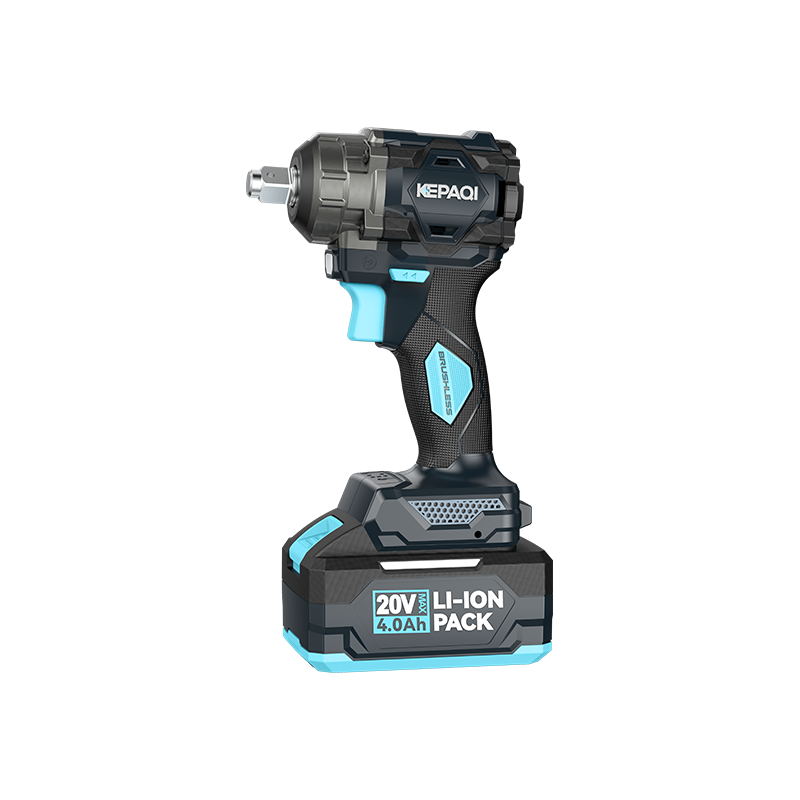 KPQ20V-350N.m Compact Brushless Impact WrenchA compact 20V brushless impact wrench with two-speed modes and straight-drilling gearbox, relevant where socket clearance and body length affect automotive brake and suspension jobs.View Product →
The trade-off to watch in this class is overload. A mid-torque wrench asked repeatedly to shift M20 truck hardware will run hot, wear its anvil and eventually return for warranty. Matching the tool to the fastener range is cheaper than replacing anvils.
Where High-Torque Is Not Optional
Above a certain fastener size, no amount of technique compensates for missing torque. These are the jobs where a mid-torque tool wastes time and, worse, encourages dangerous workarounds such as extension pipes on breaker bars.
- Heavy truck, bus and coach wheel nuts specified at 500 to 700 N·m, often corroded and always safety-critical.
- Spring hangers, U-bolts, exhaust clamps and fifth-wheel hardware exposed to salt and heat cycles.
- Agricultural machinery, earth-moving equipment and attachment pins that see mud, vibration and years of neglect.
- Structural anchor bolts, crane fasteners and railway bolt work, where a dedicated railway bolt wrench design is often the correct choice.
- Machinery foundation and plant maintenance bolts in the M20 to M30 range.
On these fasteners the correct procedure is to loosen with the impact wrench and tighten with a calibrated torque wrench, never to tighten by feel with an impact tool. A high-torque wrench gives you the breakaway capacity to start the job safely; it does not replace the final controlled tightening step.
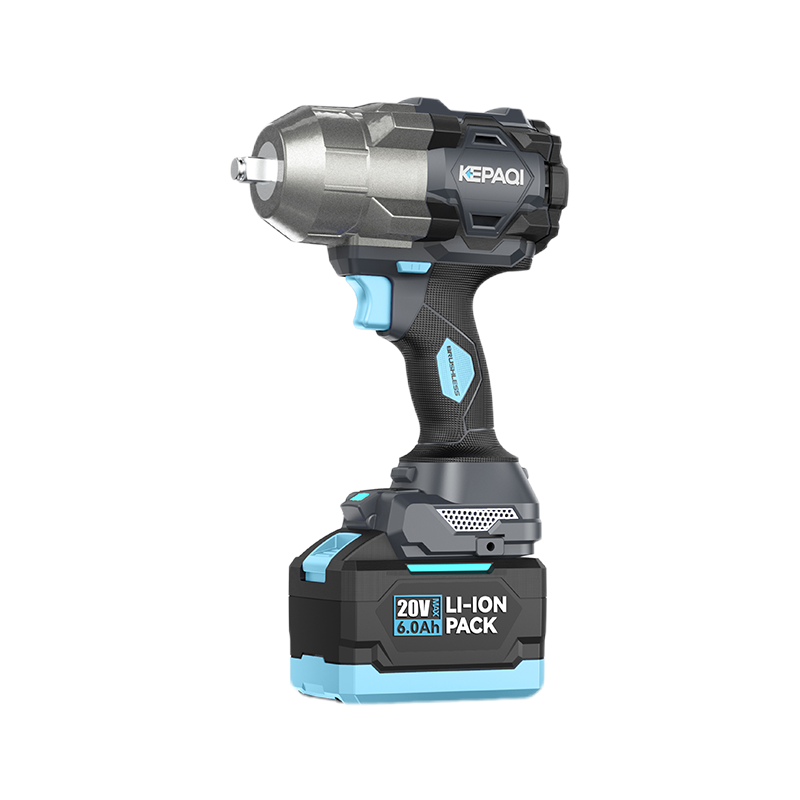 KPQ20V-1000N.m High-Torque Brushless Impact WrenchA professional 20V brushless impact wrench with dual-mode control and a 1/2-inch drive, intended for heavy-duty automotive, construction and industrial fastening where breakaway capacity matters.View Product →
Models in this class, such as the high-torque cordless impact wrench range, usually pair a reinforced anvil with a three-mode control so the operator can step down to a lower setting for smaller hardware and avoid shearing studs.
Fastener Maths: Bolt Size, Grade and Required Torque
The fastest way to settle the mid-torque versus high-torque question is to work backwards from the fastener. Tightening torque for a dry, lightly lubricated steel bolt depends mainly on thread size and property class, and the numbers below are the standard reference points that workshops use.
Typical dry tightening torque for coarse-thread steel bolts at a friction coefficient near 0.20; always follow the vehicle or machine manufacturer's specification where one exists.
| Fastener |
Grade 8.8 |
Grade 10.9 |
Wrench class needed |
| M10 |
49 N·m |
69 N·m |
Compact or mid-torque |
| M12 |
86 N·m |
120 N·m |
Mid-torque |
| M16 |
210 N·m |
295 N·m |
Mid-torque with margin |
| M20 |
410 N·m |
580 N·m |
Strong mid-torque or high-torque |
| M24 |
710 N·m |
1,000 N·m |
High-torque |
| M30 |
1,450 N·m |
2,030 N·m |
High-torque 3/4-inch or ultra-torque |
Two observations matter here. First, tightening torque is always lower than the torque needed to loosen the same fastener after corrosion, so the tool decision should be based on the loosening case. Second, an M24 grade 10.9 bolt sits at 1,000 N·m before any corrosion allowance, which is precisely why the high-torque class exists and why a 600 N·m tool cannot be stretched to cover it.
The Hidden Cost of Choosing Wrong
Buying a tool that is one class too small looks like a saving until you count the consequences. The most common failure pattern in workshops is a mid-torque wrench used daily on hardware designed for a high-torque unit: the tool overheats, the anvil wears, sockets crack, and the operator starts improvising with cheater bars, which is where injuries happen.
Buying one class too large has a different cost profile. A five-kilogram wrench used for M12 work is slower to position, easier to cross-thread, and much easier to over-tighten. Without a torque-limited mode, a 1,000 N·m tool will happily shear an M12 stud, and the resulting repair is far more expensive than the tool.
Rule of thumb used by many service managers: choose a wrench whose comfortable ceiling is one fastener size above the largest fastener in daily use. That single step of headroom absorbs corrosion and seized threads without pushing the tool into permanent overload.
There is also a supply-side cost. Mixing battery platforms to chase peak torque figures means duplicate chargers, duplicate packs and a spares inventory that grows without improving service levels. Standardising on one 20–21 V platform, with 4.0 Ah packs for mid-torque tools and 6.0 Ah or 8.0 Ah packs for high-torque units, keeps the whole fleet serviceable from one parts bin.
Vibration, Noise and Operator Fatigue
High-torque impact wrenches generate more vibration and more noise per second of impacting, and they impact for longer on stubborn fasteners. Over a full shift, that difference shows up as hand-arm fatigue and reduced control accuracy.
Practical mitigations are simple. Use the lowest mode that will move the fastener. Keep impact duration short by pre-soaking corroded hardware. Wear gloves that damp vibration without reducing grip. Use two hands on 3/4-inch tools and never hold the socket with your fingers while the trigger is engaged. On a production line, rotate operators between high-torque and light tasks rather than assigning one person to the heaviest station for eight hours.
Noise control deserves the same attention. A high-torque wrench under load is loud enough that hearing protection is not optional in an enclosed bay, and the difference between a worn anvil and a new one is audible long before it is measurable.
What a Test Bench Reveals Before You Buy
Specifications describe a tool on its best day. A production test bench describes it on an average Tuesday. Manufacturers with in-house testing typically run three checks that buyers should ask about directly.
Torque verification under load
A calibrated torque transducer on a hard joint confirms whether rated output is repeatable across a production batch, not just on a golden sample. Ask whether the tool is verified at the top of its range and at the setting most users will actually run.
Battery pack testing
Cell matching, pack assembly and discharge testing determine whether the fifth pack off the line behaves like the first. This matters more for high-torque tools because they expose weak cells immediately through voltage sag and thermal cut-out.
Durability and drop testing
Anvil wear, switch life, housing cracks and gearbox noise after prolonged impact cycles are the failures that show up in month eight, not week one. A manufacturer that runs endurance rigs, a quality laboratory and its own battery assembly line can usually answer these questions with data rather than adjectives. KPQ Tools, built by Nantong Great Tools Co., Ltd. with more than twenty years in cordless tool production, operates a quality testing laboratory, a battery pack assembly workshop and durability test benches for exactly these reasons.
Building a Two-Wrench Kit That Covers Almost Everything
For most workshops and serious owner-operators, the honest answer is not one tool but two, chosen so their ranges overlap slightly rather than leave a gap.
- Start with a mid-torque 1/2-inch wrench in the 350 to 600 N·m range for wheel nuts, suspension and assembly work.
- Add a high-torque unit at 1,000 N·m or above, with a reinforced 1/2-inch or 3/4-inch anvil, for truck, plant and corroded hardware.
- Keep one battery platform across both tools, with 4.0 Ah packs for the smaller unit and 6.0 Ah or 8.0 Ah packs for the larger one.
- Buy impact-rated sockets in the sizes you actually use, and a spare anvil if the high-torque tool runs daily.
- Retire packs on a schedule rather than on failure, because a tired pack disguises itself as a weak tool.
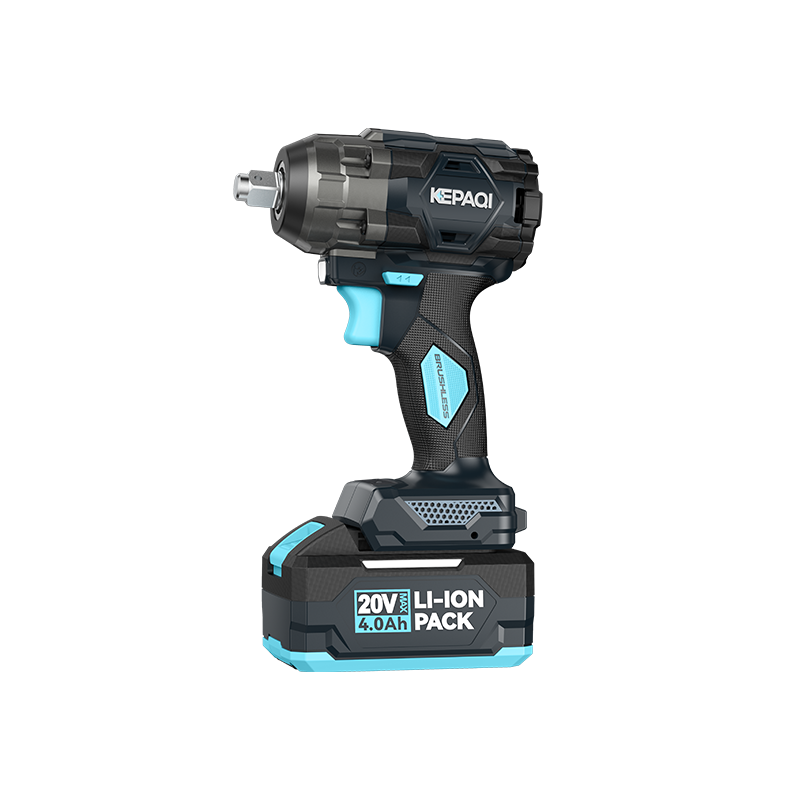 KPQ20V-600N.m Three-Gear Brushless Impact WrenchA 20V brushless impact wrench with three-gear 350–600 N·m adjustment and forward/reverse impact modes, a flexible mid-torque choice for mixed fastener sizes.View Product →
A 600 N·m mid-torque model with selectable modes is the natural bridge between the two classes: three-gear adjustment lets the operator drop to a low setting for M12 work and step up for M20 hardware without changing tools. That flexibility is why the 350 to 650 N·m band sells in the largest volumes and why it is the first wrench most buyers should own.
Frequently Asked Questions
Can a mid-torque wrench remove truck wheel nuts?
Sometimes, on a clean nut that was correctly torqued and has not corroded. On a nut torqued to 600 N·m and left outdoors for two years, no. Repeated attempts will overheat the tool and wear the anvil. Use a high-torque wrench for heavy-vehicle hardware and keep the mid-torque tool for light vehicles.
Is higher torque always better?
No. Excess torque for the fastener makes cross-threading, stud shearing and over-tightening more likely, and it costs weight, length and battery capacity. The right torque is the smallest amount that reliably loosens the largest fastener you meet.
What is the difference between nut-busting torque and fastening torque?
Fastening torque is measured while tightening a controlled joint. Nut-busting, or breakaway, torque is measured while loosening an already tightened fastener and is usually 20 to 40 percent higher. Compare tools using the same measurement direction.
Do I need a 3/4-inch drive if I buy a high-torque wrench?
Only if you regularly meet fasteners above M24 or need impact-rated sockets in the 24 to 38 mm range. A reinforced 1/2-inch anvil at 1,000 N·m handles most truck and plant work with a lighter tool and existing sockets.
Why does my high-torque wrench feel weak on some days?
Battery condition is the usual cause. High-torque tools draw far more current, so a cool or partially discharged pack triggers electronic limiting. Test with a fully charged, healthy pack before assuming the tool has failed.
How often should impact wrenches be serviced?
For daily workshop use, check the anvil and socket fit monthly and have the gearbox inspected annually. Tools used on corroded hardware should be checked more often, because impact duration and heat accelerate wear.
Can one wrench cover both light vehicles and heavy trucks?
Not well. A compromise tool ends up too heavy for overhead car work and too weak for the worst truck nuts. Two tools on one battery platform is usually cheaper than one oversized compromise plus the damage it causes.
Pre-Purchase Checklist
Before you specify either class, work through these points in order. They take ten minutes and prevent most returns.
- List the five largest fasteners the tool will meet, with thread size and property class.
- Add a corrosion allowance of 30 to 50 percent to the loosening torque for outdoor equipment.
- Confirm the socket sizes you already own and whether they match the anvil you are considering.
- Check the battery platform and the age of the packs currently in service.
- Decide whether the work is mostly overhead, which favours the lighter tool, or mostly ground-level heavy hardware, which favours the high-torque unit.
- Verify that the tool has selectable modes if it will be used on more than one fastener size.
- Ask the supplier for torque verification and battery testing evidence, not just a catalog figure.
Answer those seven questions honestly and the mid-torque versus high-torque decision usually makes itself. The tool that matches your largest realistic fastener, on the battery platform you already support, is almost always the cheaper and more productive choice over its service life.

 English
 русский
 Español