2025-12-22
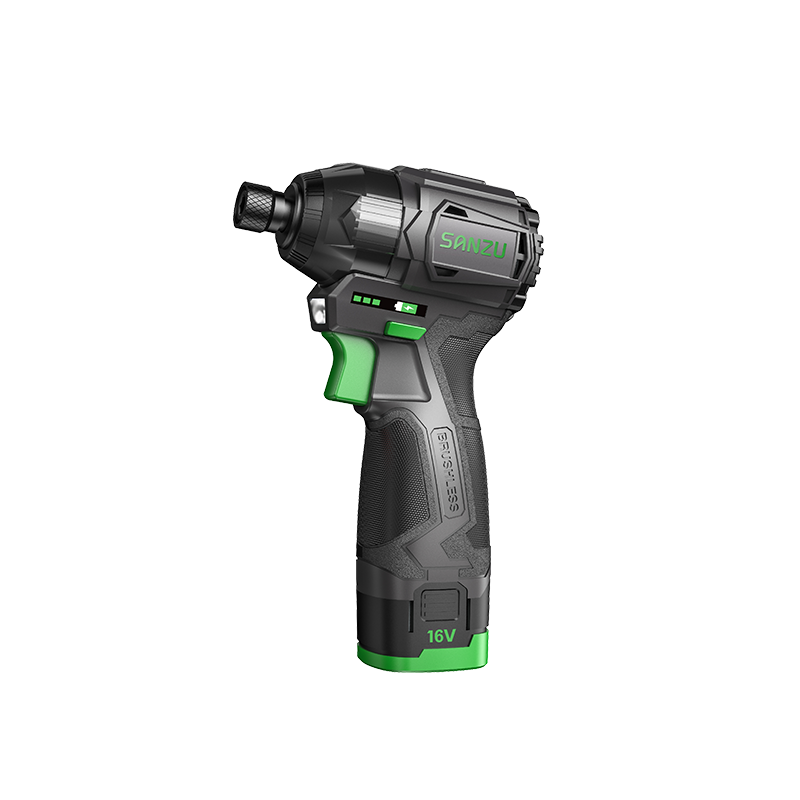
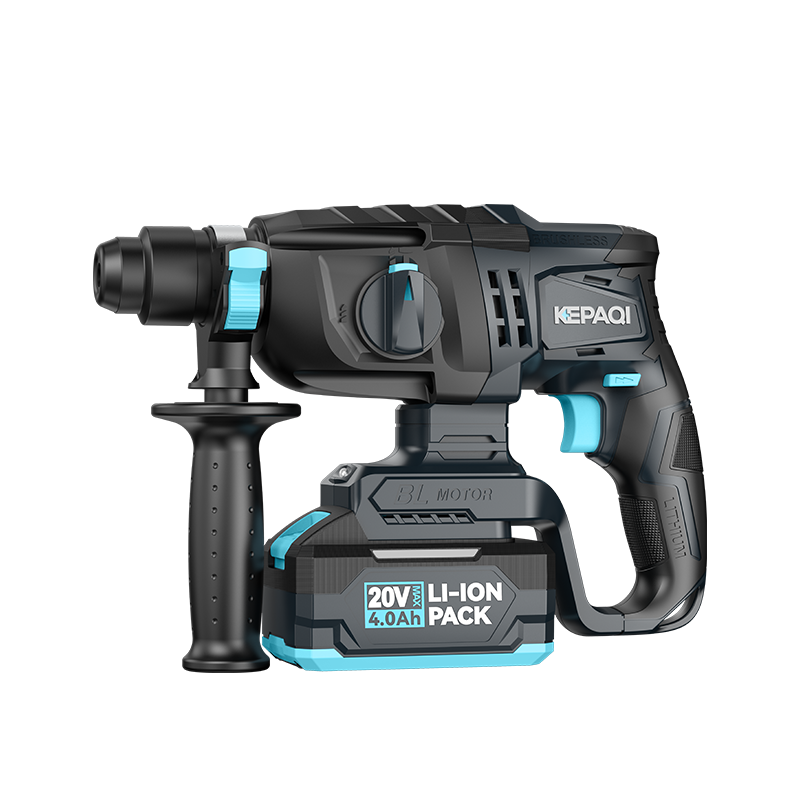
Cordless impact brushless drills with lithium batteries are widely used in construction, renovation, and industrial applications due to their efficiency, portability, and durability. Proper storage during long periods of inactivity is crucial to maintain performance, extend battery life, and ensure safety.
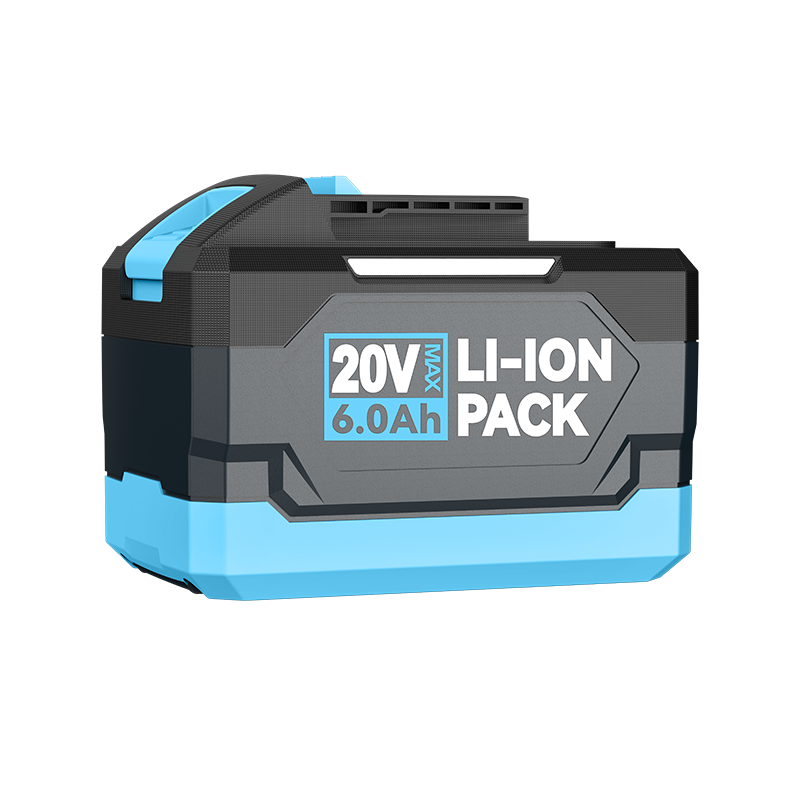
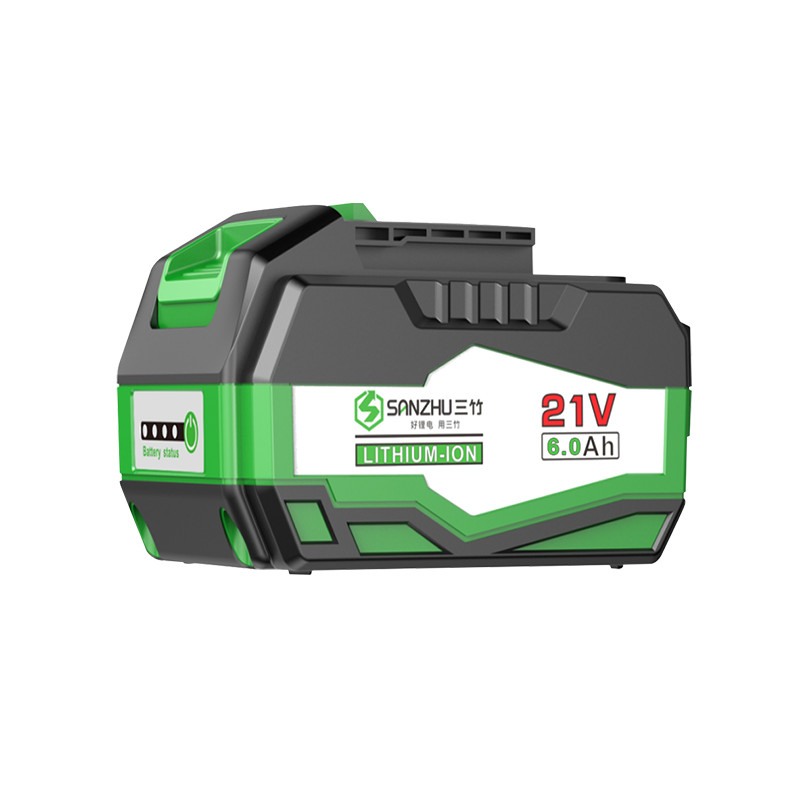
Lithium batteries are the core power source of cordless drills. For long-term storage, batteries should not be fully charged or completely drained. Maintaining a charge level between 40% and 60% helps reduce chemical degradation, slow capacity loss, and prolong battery lifespan. Before storage, ensure the battery is dry and clean, and avoid contact with metal objects to prevent short circuits.
The drill and battery are sensitive to temperature and humidity. The recommended storage temperature range is 10°C to 25°C. High temperatures accelerate battery aging, while low temperatures can temporarily reduce capacity. Excess humidity may cause corrosion of electronic components and metal parts. Store drills and batteries in a dry, ventilated environment, avoiding direct sunlight and moisture exposure.
Before storing, thoroughly clean the drill to remove dust, debris, and grease, especially around vents, handles, and switches. Lightly clean the exposed parts of the impact mechanism to prevent dust accumulation from affecting mechanical movement or contaminating lubricants. Using a dust bag or the original toolbox helps prevent dust, moisture, and accidental damage.
For extended periods of inactivity, store the battery separately from the drill. This reduces the risk of accidental short circuits and minimizes natural self-discharge, preventing battery degradation. Place the battery in its original case or a container with insulating material in a dry, shaded location.
Even when not in use, it is recommended to check the battery every 2–3 months. Inspect the battery charge level, check for swelling or damage, and ensure terminals are clean and free from corrosion. Recharge the battery to the recommended storage level if necessary. Lightly testing the drill periodically ensures switches and functions remain operational, preventing mechanical parts from seizing due to dried lubrication.
Avoid storing the drill and battery in extreme environments, such as damp basements, near heaters, or under direct sunlight. Keep them away from chemicals or corrosive liquids. Do not place heavy objects on top of stored tools or move them frequently, which could deform the housing or damage internal components. Applying a light anti-rust coating on exposed metal parts can prevent corrosion in the impact mechanism and gears during long-term storage.
Contact Info
+86-13801463308
+86-13862872268
Nantong,Jiangsu,China

 English
 русский
 Español