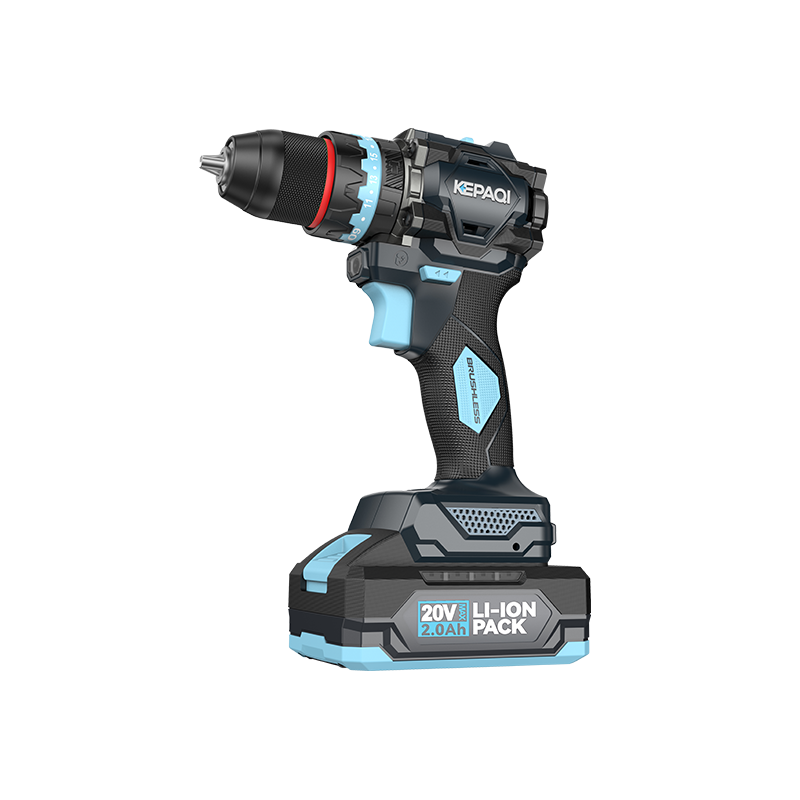
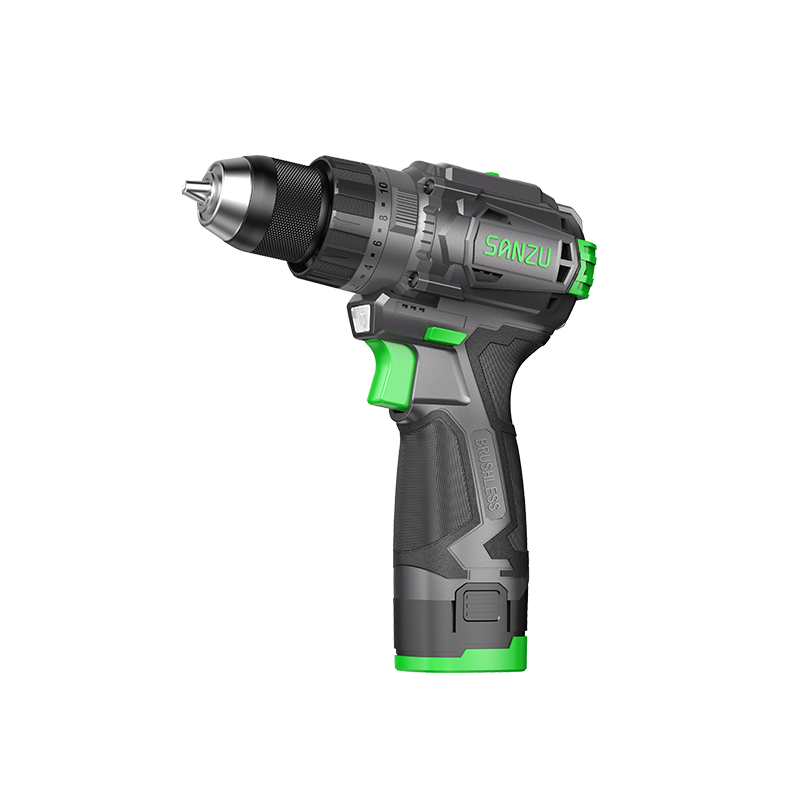
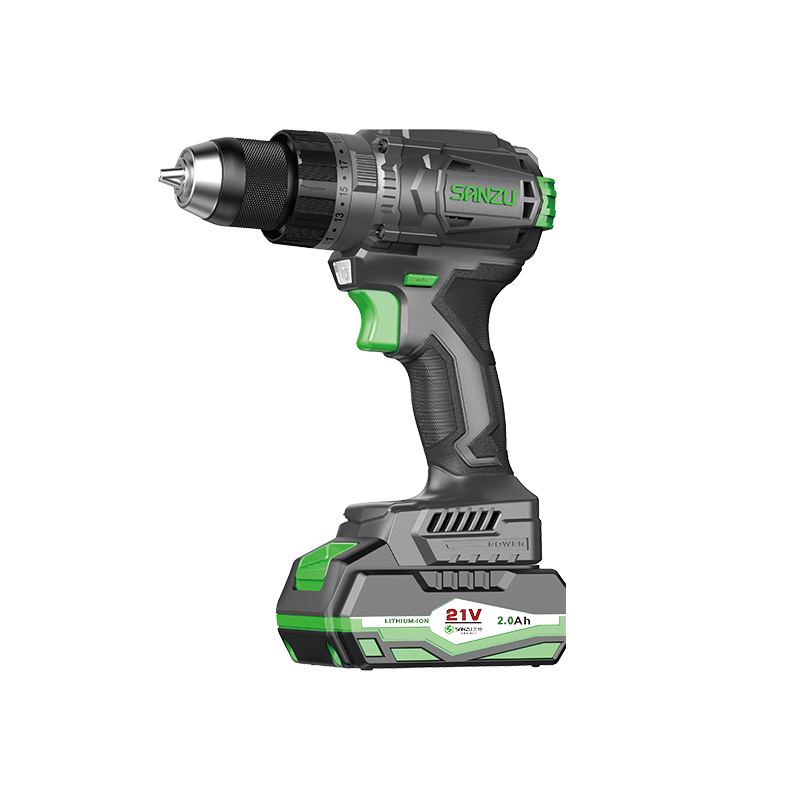
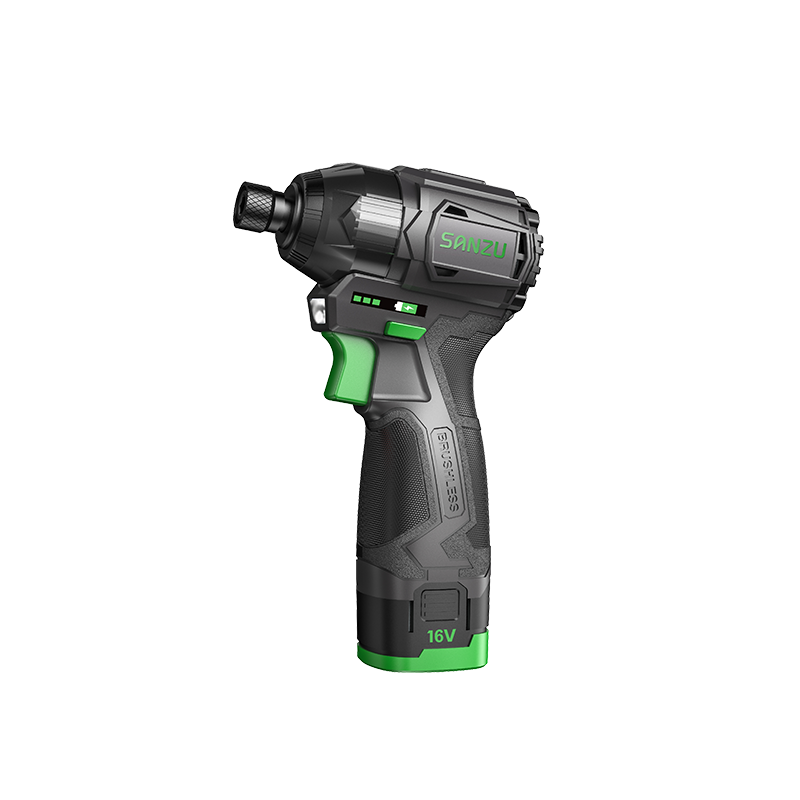
Impact screwdrivers are essential tools in various industries, including construction, automotive repair, and home improvement. Over time, the brushless impact screwdriver has become increasingly popular, replacing the traditional brushed version due to its significant performance advantages. This article will explore the key differences in performance between brushless impact screwdrivers and brushed impact screwdrivers, helping you understand which tool is best suited for your needs.
1. Motor Structure: Key Differences
A brushed impact screwdriver uses a traditional brushed motor, consisting of a stator, rotor, and brushes. The brushes make contact with the rotor, transferring electrical energy to generate motion. However, this friction between the brushes and rotor generates heat and leads to wear and tear, reducing the motor’s efficiency over time.
In contrast, brushless impact screwdrivers utilize a brushless motor, which eliminates the need for physical contact between the rotor and brushes. This absence of friction results in less heat generation, higher efficiency, and reduced maintenance.
2. Efficiency and Battery Life
The efficiency of a brushless motor is one of its most significant advantages. With no friction losses from brushes, a brushless impact screwdriver is able to convert more electrical energy into mechanical energy. This results in longer battery life and extended working hours. Compared to brushed models, brushless screwdrivers can often provide 30%-50% longer runtime under the same battery capacity.
This is particularly valuable for users who need to use the tool for extended periods or for heavy-duty tasks. The increased efficiency not only saves energy but also reduces the frequency of battery recharging.
3. Motor Lifespan and Maintenance Requirements
Due to the absence of brushes, brushless impact screwdrivers generally have a longer motor lifespan. The motor in a brushed screwdriver undergoes constant wear and tear as the brushes wear out, and this wear can reduce the overall lifespan of the tool. Typically, brushless motors can last up to 5000 hours, whereas brushed motors usually last between 1000-2000 hours before requiring maintenance or replacement of brushes.
Moreover, the lack of brushes in brushless screwdrivers means that they require significantly less maintenance, reducing both downtime and long-term costs.
4. Power and Torque Output
A brushless motor is more efficient at converting electrical energy into rotational energy, meaning brushless impact screwdrivers can offer higher power output and more consistent torque. This is particularly important when working with larger screws or performing heavy-duty tasks such as assembling machinery or construction projects.
On the other hand, brushed motors experience friction and energy loss, which can lead to inconsistent power delivery, especially during high-demand operations. As a result, brushless screwdrivers tend to provide a smoother, more reliable torque output for a wider range of tasks.
5. Size and Weight
Brushless impact screwdrivers are typically more compact and lighter than their brushed counterparts. The absence of brushes and associated components like the brush holder means that brushless motors are more compact and can be integrated into smaller, lighter designs. This is particularly beneficial for users who need to work in tight spaces or handle the tool for extended periods without experiencing hand fatigue.
In addition, the lighter weight contributes to better handling and control, making brushless impact screwdrivers more comfortable for long-duration use, especially for professionals who rely on these tools for multiple tasks throughout the day.
6. Heat Dissipation
One of the drawbacks of brushed motors is that they generate heat due to the friction between the brushes and the rotor. This heat can accumulate during prolonged use, leading to overheating, reduced motor performance, and even potential motor damage. Brushless impact screwdrivers, however, generate far less heat since there is no friction involved in the motor’s operation. This reduces the likelihood of overheating and ensures the tool performs efficiently over longer periods, even in heavy-duty applications.
The superior heat dissipation in brushless models also means they are better suited for high-load operations, making them more reliable in environments where extended, intensive use is required.
7. Noise and Vibration Control
Brushless motors produce less noise and vibration than their brushed counterparts. The friction between the brushes and rotor in a brushed impact screwdriver results in higher noise levels, which can be tiring and uncomfortable for users, especially when working for extended periods. In contrast, the brushless motor operates much more smoothly and quietly, which improves the overall user experience by reducing noise pollution and hand-arm vibration.
For users who perform tasks in sensitive environments or need to minimize noise, a brushless impact screwdriver offers a significant advantage in terms of comfort and ergonomics.
8. Smart Control and Precision
Many brushless impact screwdrivers come equipped with advanced control systems that allow users to adjust the speed and torque settings for different applications. These tools often feature multiple modes, such as drilling mode, impact mode, or precision mode, allowing for tailored performance depending on the task at hand.
While brushed models may have a single, fixed speed or limited torque control, the versatility and precision offered by brushless models make them ideal for a wider range of applications, from simple household repairs to complex industrial tasks that require precision and fine control.
9. Cost and Price
One of the main drawbacks of brushless impact screwdrivers is their higher initial cost. The advanced technology and increased efficiency of brushless motors make these tools more expensive to produce. However, the longer lifespan, reduced maintenance, and improved performance over time mean that brushless screwdrivers offer better value in the long run, especially for users who need reliable tools for frequent or heavy-duty use.
Brushed impact screwdrivers, while more affordable upfront, often require more maintenance and may need to be replaced more frequently, which could result in higher long-term costs.
10. Environmental Impact and Energy Efficiency
A brushless impact screwdriver is more energy-efficient than its brushed counterpart. The higher efficiency of the motor means less energy is wasted in the form of heat, allowing for longer battery life and fewer charges. This reduced energy consumption not only benefits users by extending tool use but also has a positive environmental impact, as it reduces the frequency of battery replacements and waste generation.
With growing concern for sustainability, brushless impact screwdrivers are better aligned with eco-friendly practices due to their longer lifespan and more efficient use of resources.

 English
 русский
 Español