2026-05-25
In precision manufacturing, automated assembly lines, and various maintenance tasks, the accuracy and efficiency of tools directly determine the quality of the work. Whether it is for high-frequency fastening requirements or for the disassembly of micro-electronic devices, choosing the right electric screwdriver is the key to ensuring a smooth workflow. Due to the complexity of fastening operations, a single type of tool can no longer meet all scenarios. Gaining an in-depth understanding of the characteristics of various devices is crucial for improving operational efficiency.
When selecting a power screwdriver, users often focus on its power or speed, but in professional industrial fields, the precision of torque control and the engineering design of the tool are the decisive indicators. Below is a comparison table of key performance parameters:
| Parameter Dimension | electric torque screwdriver | cordless screw driver | automatic screwdriver |
| Torque Accuracy | High (±3% - 5%) | Medium | High |
| Power Source | DC Regulated Power Supply | Rechargeable Lithium Battery | Integrated Power Supply System |
| Application Scenario | Precision Electronics, Medical Devices | Field Installation, Outdoor Repair | High-Speed Automated Assembly Lines |
| Operational Efficiency | Extremely High (Fixed Torque Requirements) | High (Portability and Flexibility) | Extremely High (Automatic Screw Feeding) |
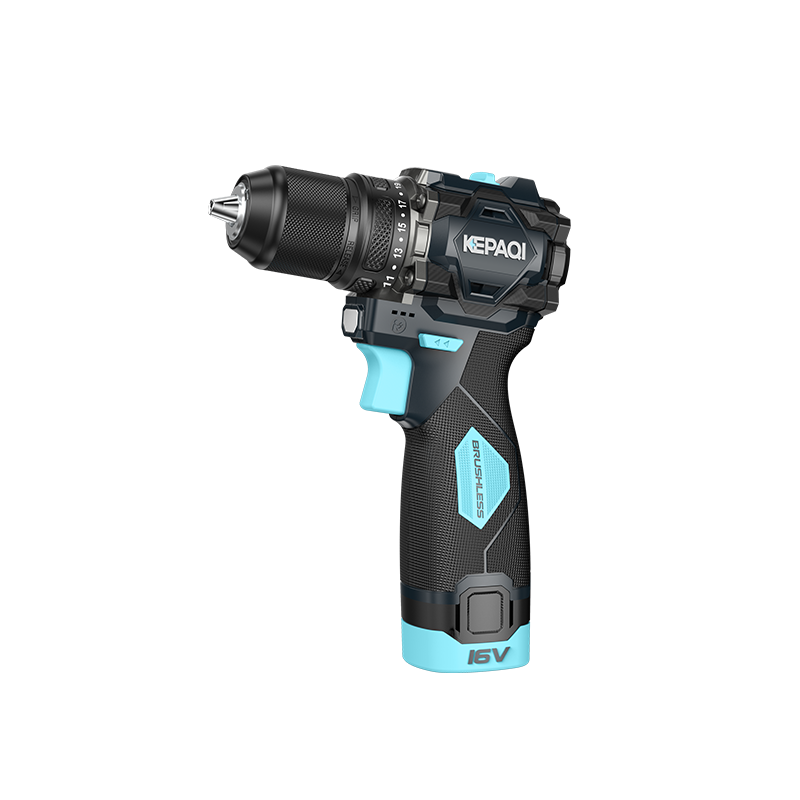
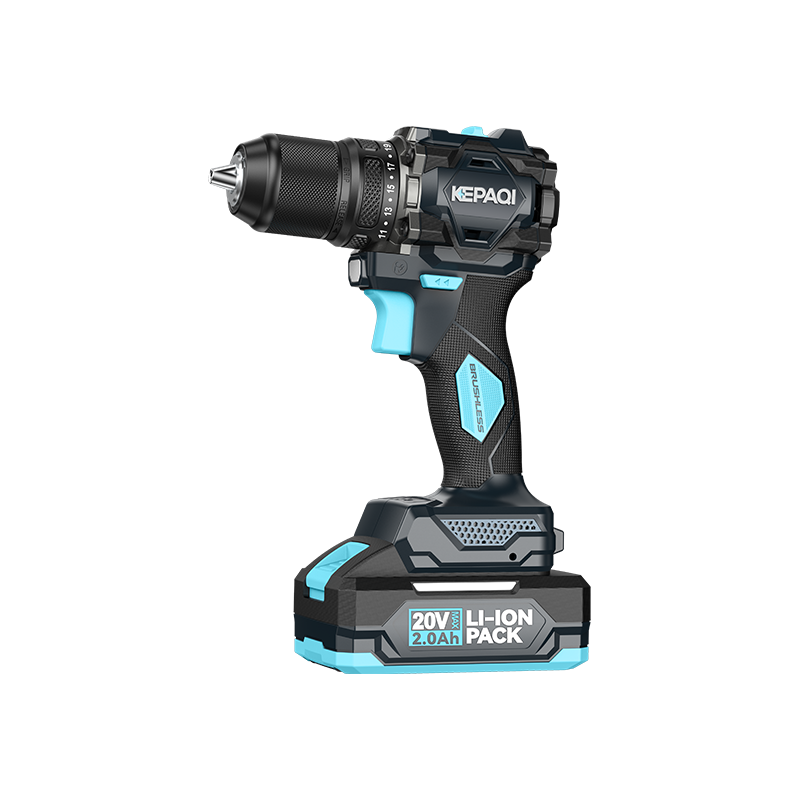
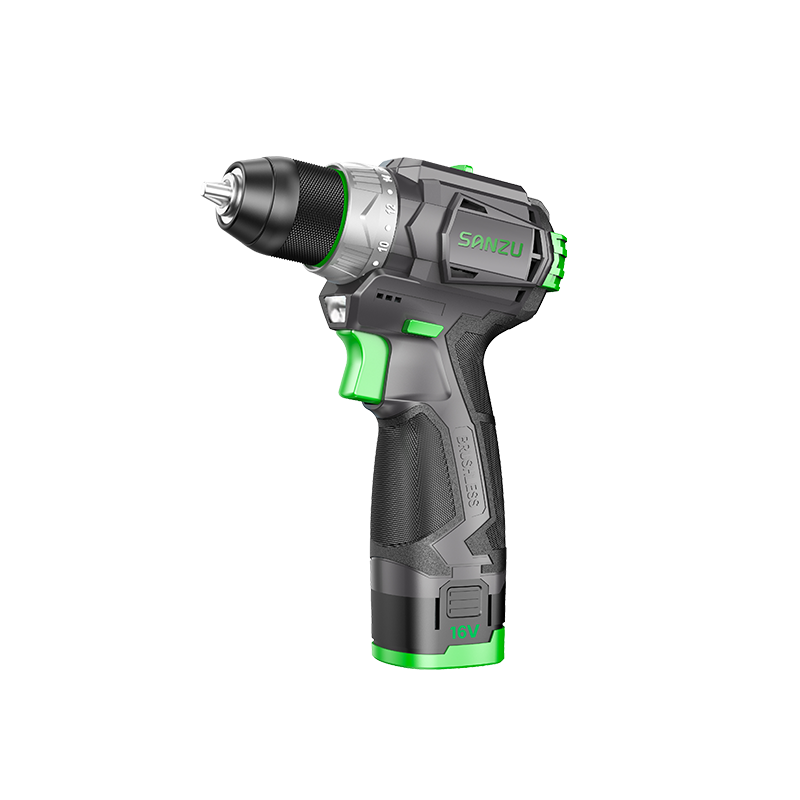
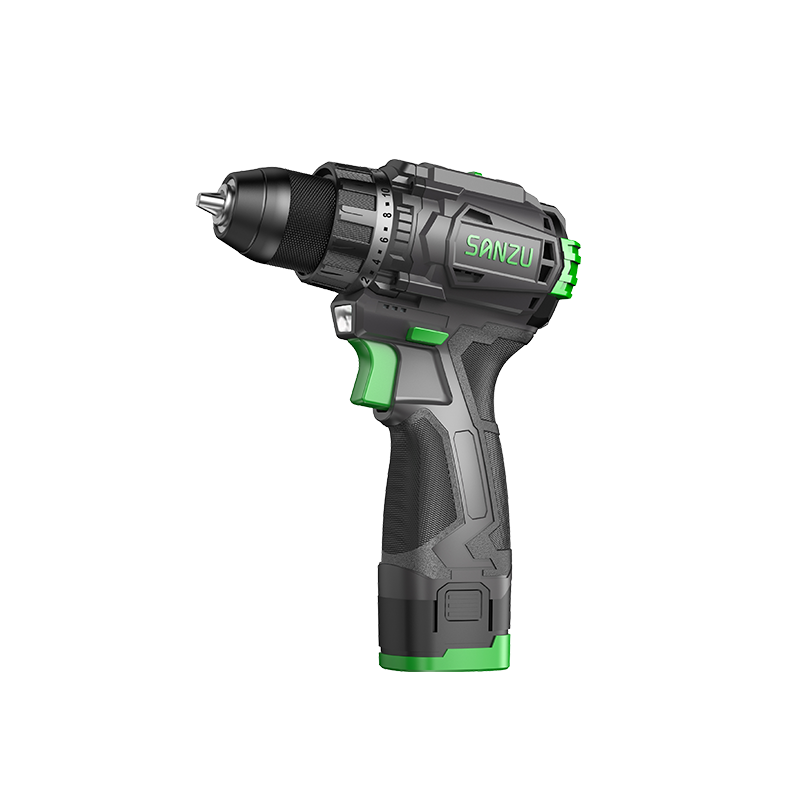
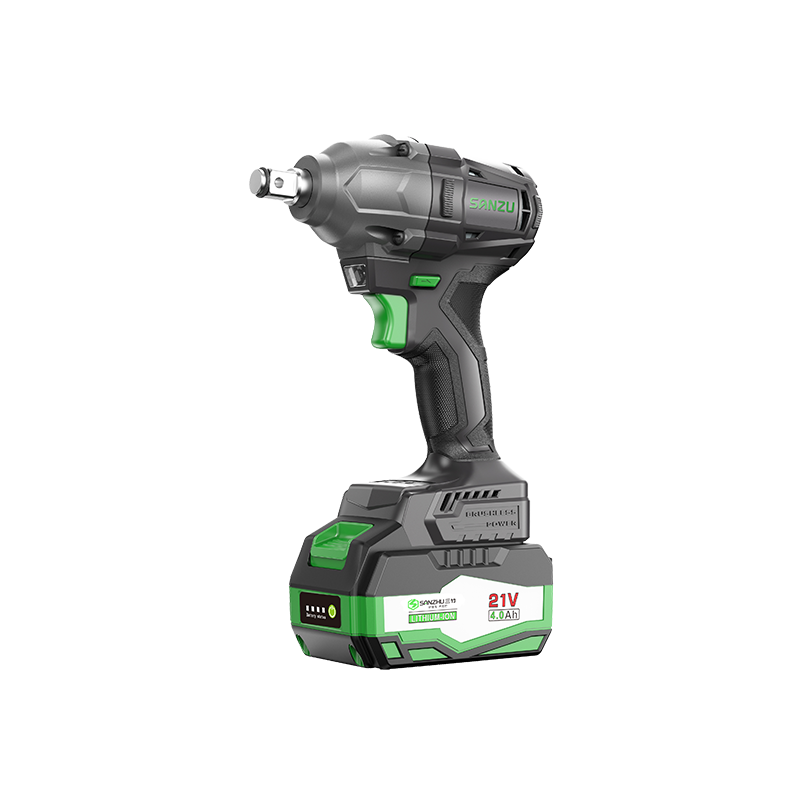
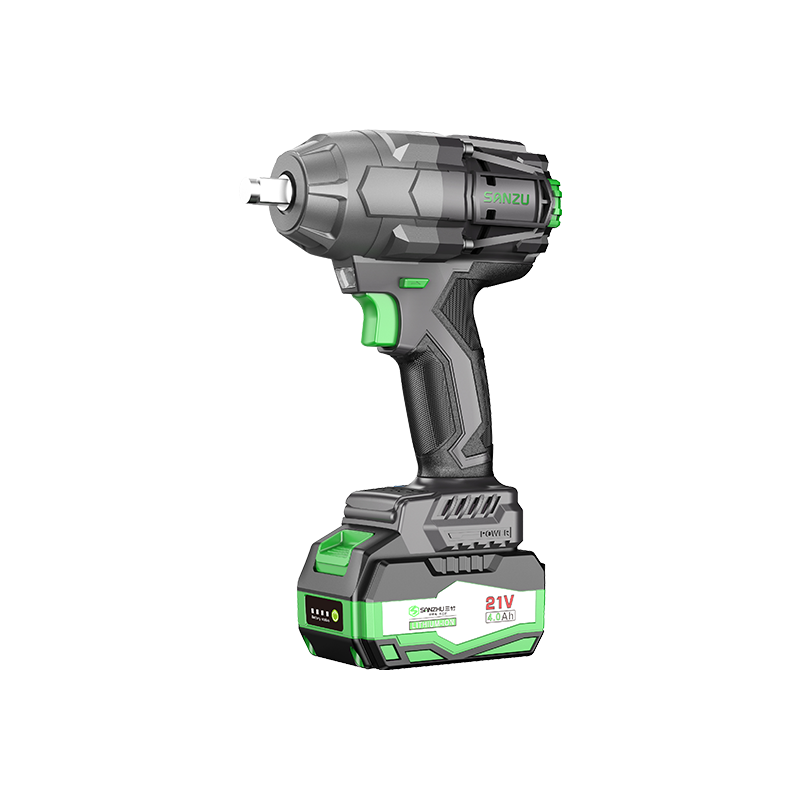
For assembly tasks at non-fixed workstations, the cordless screw driver provides excellent mobility. Modern battery screwdriver units mostly adopt brushless motor technology, which not only reduces the overall weight of the machine but also extends the equipment's service life. When choosing such products, users should prioritize battery energy density and the stability of output torque at low battery levels to ensure that fastening torque does not fall below standards due to voltage drops.
In demanding fastening operations, the electric torque screwdriver is the core choice. The core advantage of such equipment lies in its closed-loop control system, which can monitor output torque in real-time and automatically cut off power when the preset value is reached. For assembly involving plastic parts or thin-walled metal parts, this precise torque cut-off function can effectively prevent stripping or material damage, serving as an indispensable hardware support for standardizing production quality.
In production environments pursuing large-scale and high-tempo operations, the automatic screwdriver is more than just a simple tightening tool; it is usually integrated with an automatic screw feeding system. By reducing the time operators spend manually placing screws, these systems can significantly shorten the assembly time per screw. When using such equipment, high-quality fasteners must be used to reduce the probability of jamming and ensure long-term stable system operation.
Regardless of whether one chooses a rechargeable screwdriver or a battery powered screwdriver, equipment maintenance directly affects its service life.
Motor Protection: Although modern equipment generally features overload protection, long-term operation under overload will significantly shorten the life of the motor brushes (if brushed) or electronic control units. When handling larger screws, models with more sufficient torque reserves should be selected.
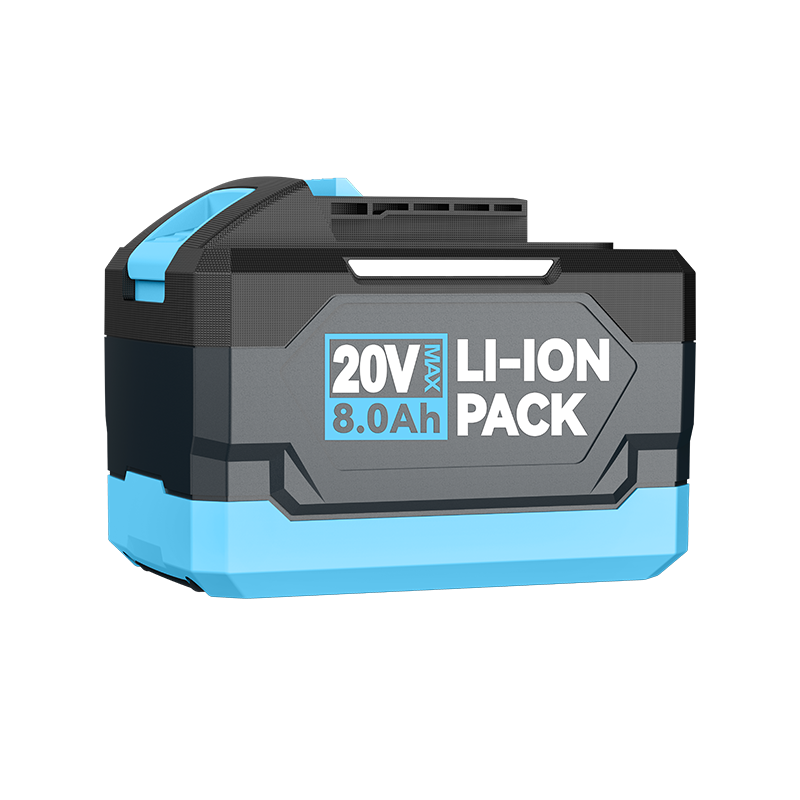
Battery Management: For the supporting rechargeable batteries in an electric screwdriver set, it is strictly forbidden to leave them stored for a long time after the battery is completely exhausted. Lithium batteries should be stored with a certain amount of remaining charge to avoid chemical passivation.
Speed Setting: Faster is not always better. On specific materials, excessive speed causes friction heat between the screw and the contact surface, leading to local melting or thread wear. When handling soft substrates, it is recommended to use equipment with multi-speed adjustment functions.
By comparing the tools of different technical architectures and combining them with the specific requirements of the operating environment regarding torque accuracy, portability, and assembly pace, operators can more scientifically match productivity tools. Understanding the technical logic behind this hardware is not only a way to improve individual operational levels but also the technical foundation for ensuring that precision assembly tasks are completed satisfactorily.
Contact Info
+86-13801463308
+86-13862872268
Nantong,Jiangsu,China

 English
 русский
 Español