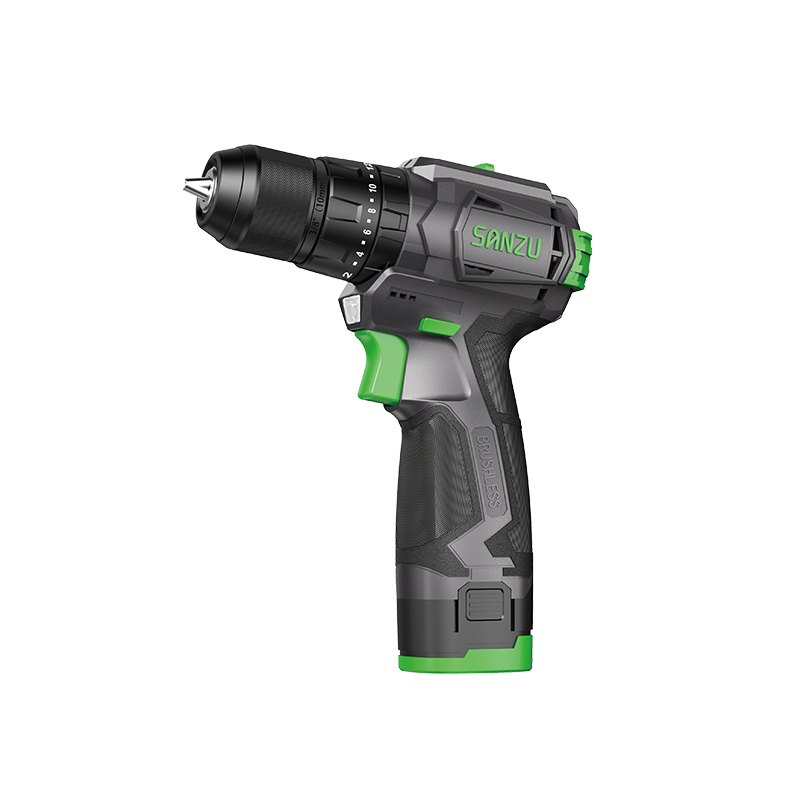
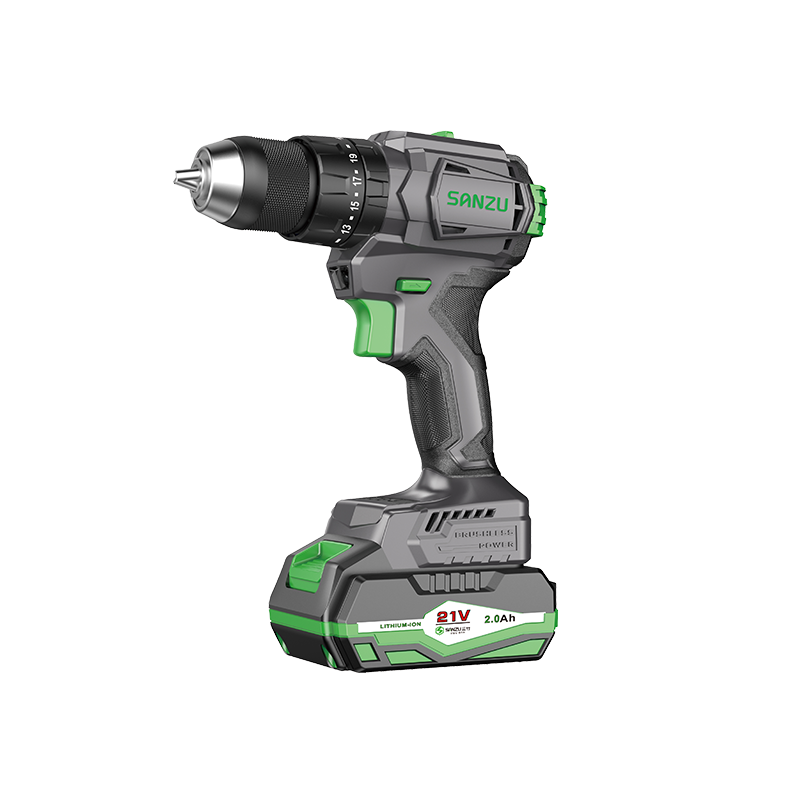
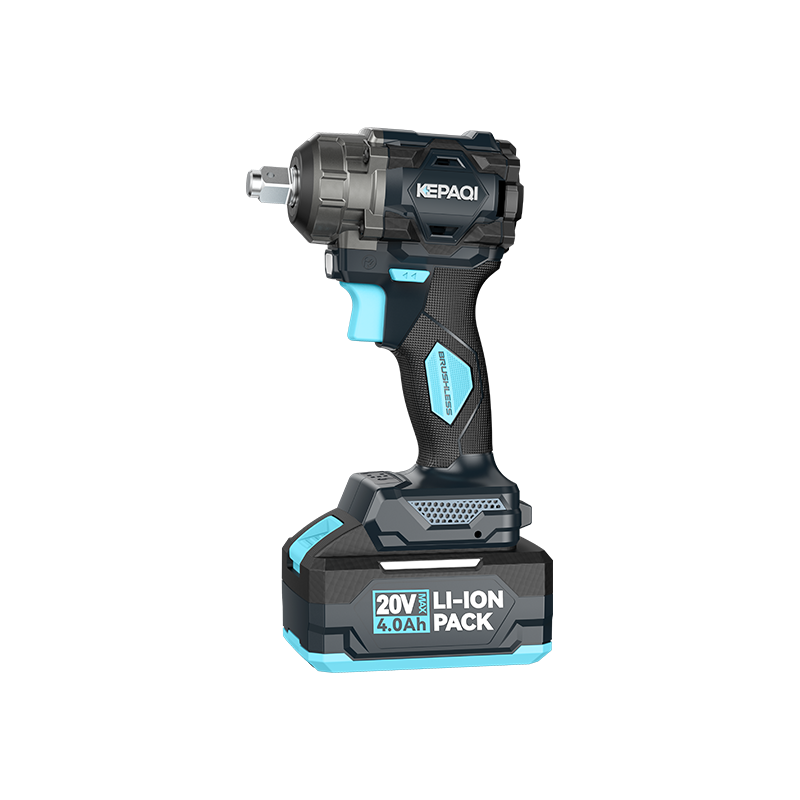
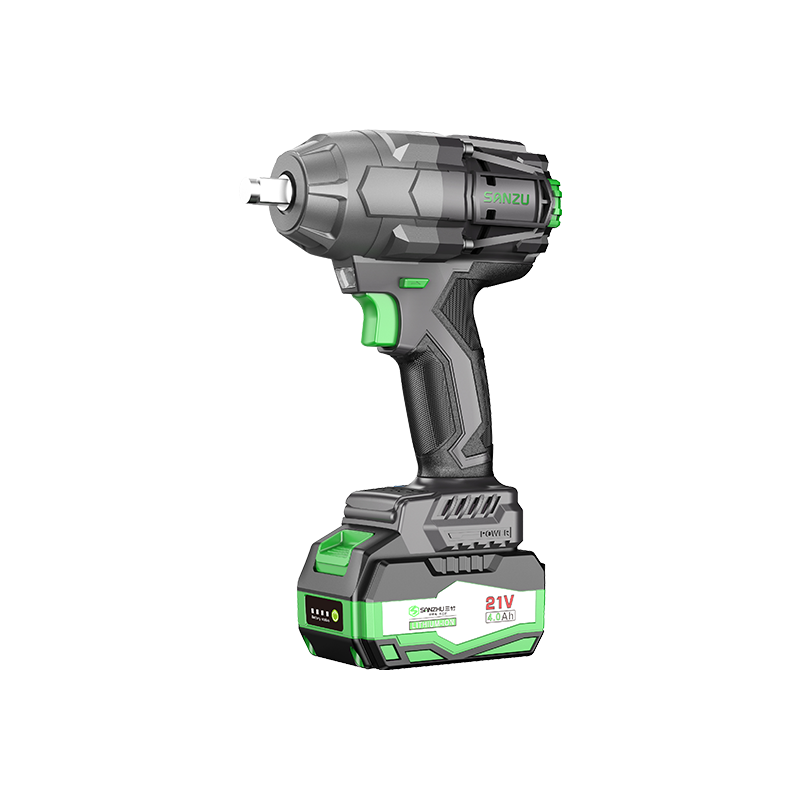
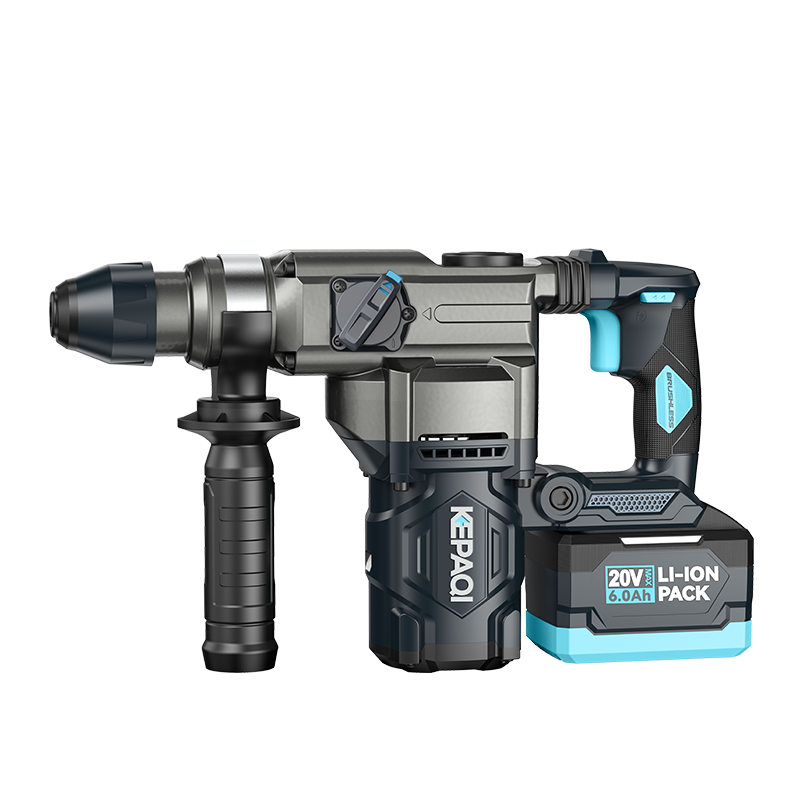
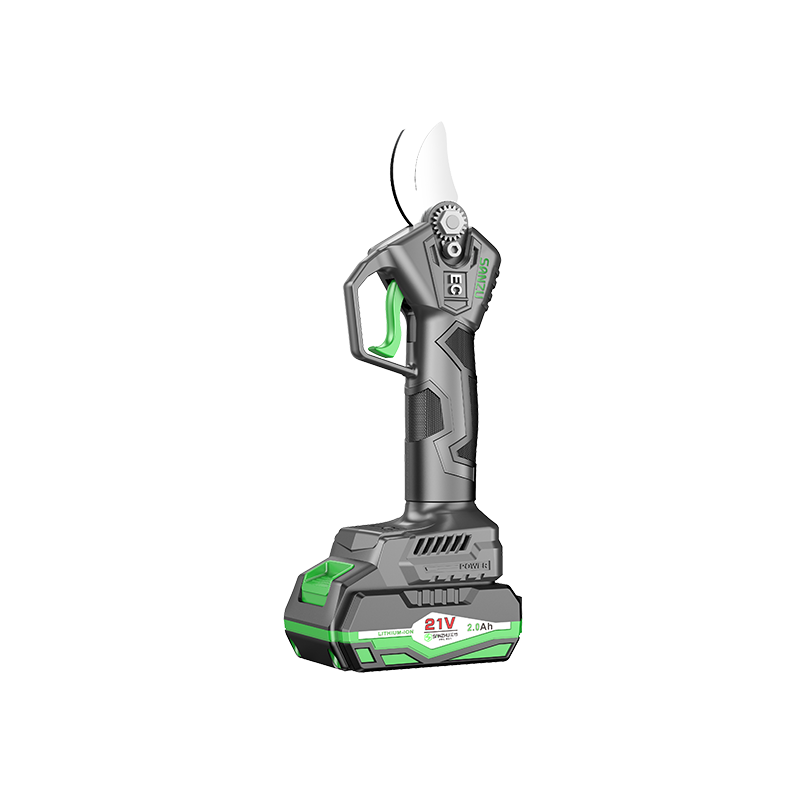
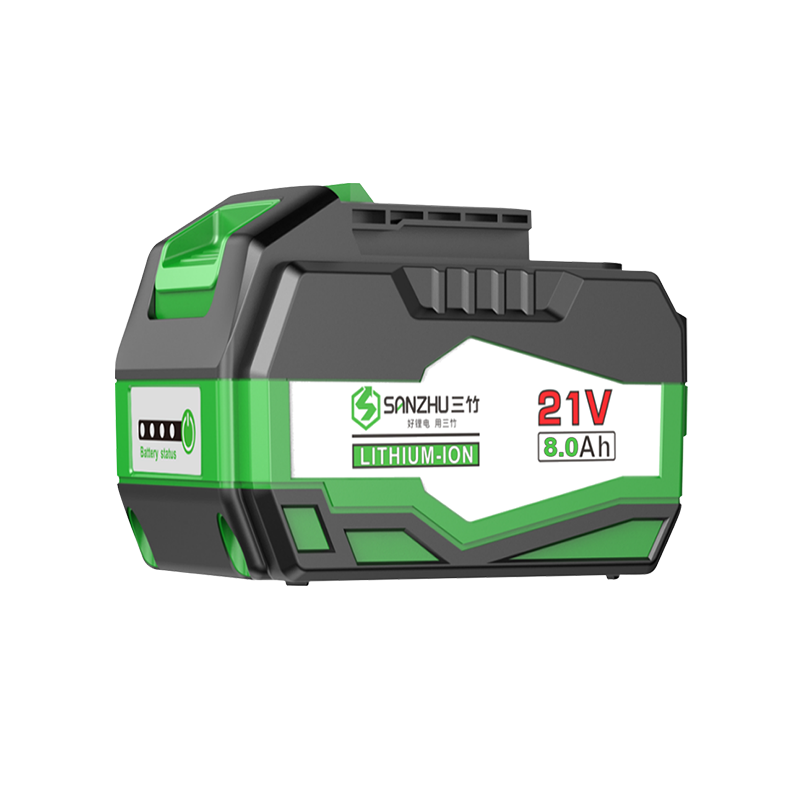
In industrial manufacturing, construction, and precision processing fields, the performance, efficiency, and durability of tools directly determine project delivery quality and comprehensive costs. With breakthroughs in battery technology, Cordless Power Tools have completely broken free from the shackles of traditional cables and become the mainstream choice on job sites. In the evolutionary process of Cordless Power Tools, the emergence of Brushless Tools has fundamentally rewritten the technical standards for power transmission and equipment lifespan.
Technical Core: Why Brushless Tools Can Reshape Power Standards
To understand the high-efficiency performance of Cordless Power Tools, it is essential to delve into the core internal structure of Brushless Tools. Traditional brushed motors rely on carbon brushes and commutators to transfer electrical current, which not only generates continuous mechanical friction but also leads to significant heat and electrical sparking losses.
In contrast, Brushless Tools utilize electronic commutation integrated circuits to replace physical carbon brushes. Through built-in sensors and microcontrollers, the current direction and magnetic field strength are adjusted in real-time according to load changes. This contactless power transmission brings three core advantages:
- Extremely High Energy Conversion Efficiency: Since frictional resistance is eliminated, the energy conversion efficiency of brushless motors is increased by more than 30%, which means that under the same battery capacity, the single-run runtime of the tool is significantly extended.
- Extremely Low Maintenance Costs and Ultra-Long Lifespan: Without wear-prone carbon brush components, the tedious process of regular carbon brush replacement is eliminated, and the overall service life of the motor can be extended several times over.
- Intelligent Load Adjustment: The tool can sense working resistance, automatically increasing torque when drilling or cutting hard materials, and reducing current output under light loads, perfectly matching the job requirements.
Key Parameter Comparison: Deep Metric Evaluation of Brushed and Brushless Power Systems
To provide a more direct demonstration of the technical differences, the following is a comparison of core technical parameters and performance indicators between traditional motors and Brushless Tools technology when deployed on Cordless Power Tools sharing the same voltage platform:
| Performance and Parameter Indicators |
Traditional Brushed Cordless Power Tools |
Modern Brushless Tools |
| Motor Energy Conversion Efficiency |
60% - 70% |
85% - 95% |
| Continuous Operation Runtime |
Baseline Performance (100%) |
Increased by 40% - 50% |
| Rated Motor Lifespan |
Approx. 500 - 1,000 Hours (Requires Brush Replacement) |
Over 5,000 Hours (Maintenance-Free) |
| Operating Heat Generation and Temperature Rise |
Higher (Severe friction heat generation) |
Extremely Low (Electronic commutation with fast heat dissipation) |
| Torque-to-Weight Ratio (Nm/kg) |
Lower (Large and heavy motor bulk) |
Extremely High (Compact structure, high power density) |
| Body Operating Noise (dB) |
85 - 95 dB |
70 - 80 dB |
Solving Site Pain Points: How High-Performance Cordless Tools Optimize Workflows
In actual high-intensity operation scenarios, procurement and operating personnel frequently face practical problems such as tools overheating and shutting down, insufficient battery runtime, and power attenuation during high-torque operations. Cordless Power Tools adopting Brushless Tools technology serve as the standard technical solution to solve these pain points.
Continuous High-Load Operation Without Overheating
During continuous large-diameter drilling or thick metal cutting, the internal temperature of traditional tools rises rapidly, triggering overheat protection or even burning out the motor. Because there is no internal friction source, combined with optimized air duct design and intelligent PCB control boards, brushless systems can keep the operating temperature within a safe range, ensuring stable output for multi-shift continuous operations.
Constancy of Power Output
Traditional corded tools are affected when grid voltage fluctuates, and when ordinary corded tools transfer to cordless versions, power often weakens as the battery level drops. Advanced Brushless Tools use built-in closed-loop control algorithms so that even in the final stages when the battery is almost exhausted, they can still maintain constant speed and torque output, ensuring consistency in processing accuracy.
Environmental Adaptability under Complex Working Conditions
The fully enclosed motor structure gives brushless equipment stronger dust-proof and moisture-proof capabilities. On construction sites with concrete grooving, stone carving, or outdoor operations with high humidity and rain, dust and water vapor can hardly enter the inside of the motor, avoiding the hidden danger of internal short circuits caused by conductive dust in traditional tools.
Selection and Adaptation: How to Evaluate Battery Platform and Tool Matching Degree
The key to fully unlocking the performance of Cordless Power Tools lies in the deep matching between the battery pack and the Brushless Tools power system. When selecting equipment, the following technical indicators should be evaluated with priority:
- Voltage Platform (Voltage): Common platforms include 12V, 18V, 20V, and high-voltage 40V or 60V. High-voltage platforms can provide sufficient instantaneous current for high-power brushless motors, making them suitable for heavy-duty, heavy-load processing.
- Battery Capacity (Ah): Ampere-hour ratings determine the overall runtime of the tool. For high-energy-consumption brushless angle grinders or rotary hammers, it is recommended to equip them with lithium battery packs of 5.0Ah or higher capacity; for fine assembly electric drills that emphasize lightweight operation, a 2.0Ah battery provides a better sense of grip balance.
- Intelligent Communication Protocol: Modern battery packs for brushless tools feature an internal BMS (Battery Management System), which communicates in real-time with the brushless motor to monitor the voltage, temperature, and current of each cell, preventing overcharging, overdischarging, and overloading to ensure overall system safety and stability.

 English
 русский
 Español