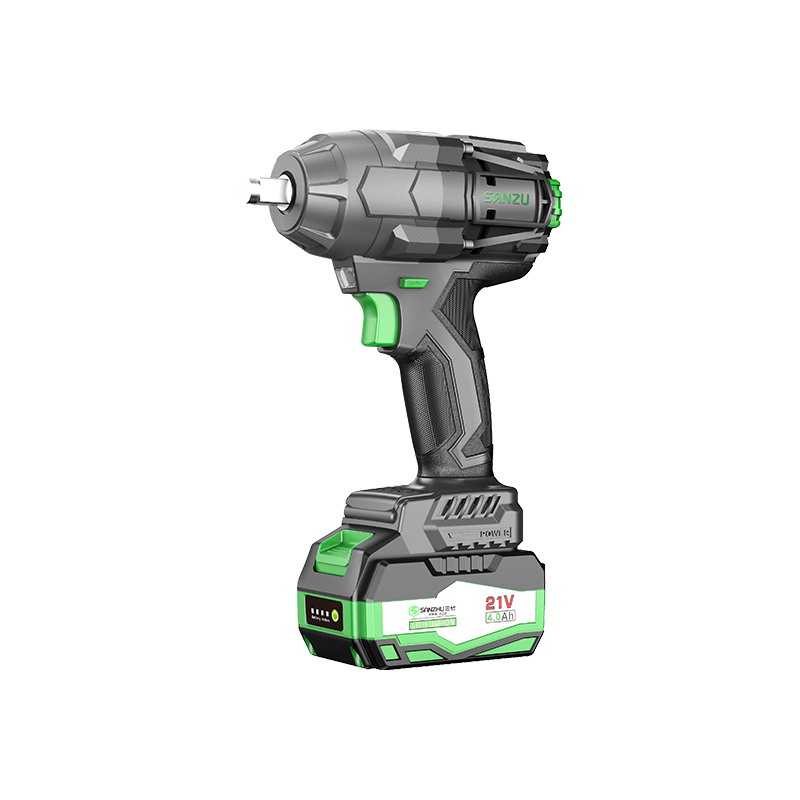
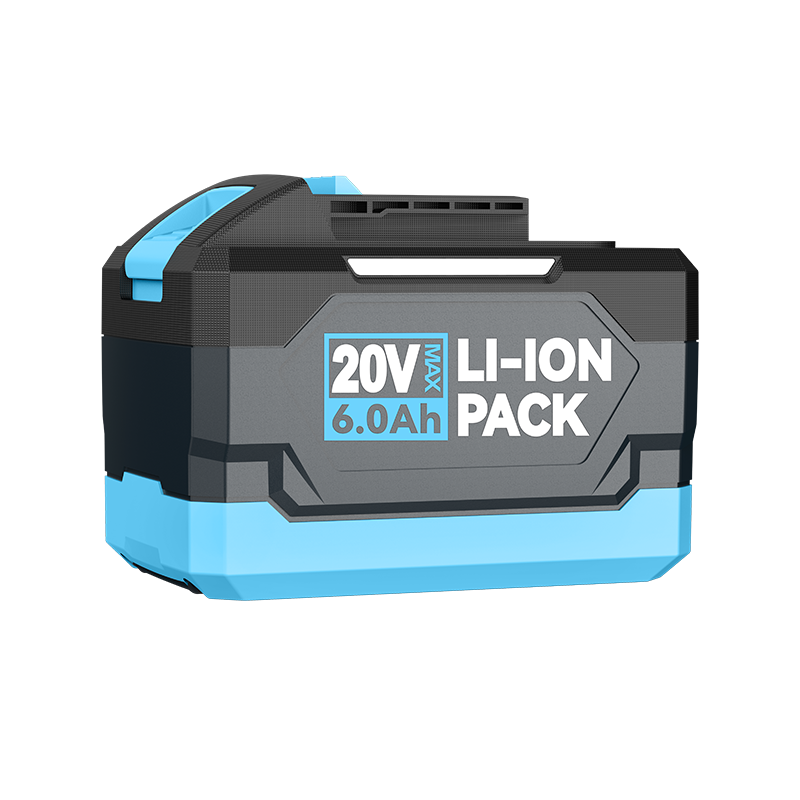
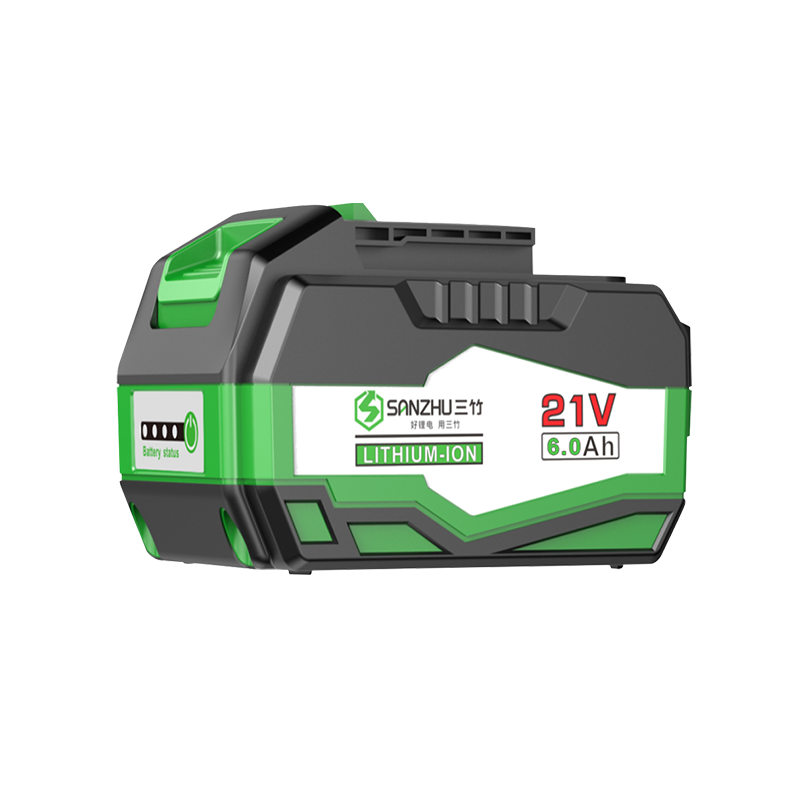
Orchard Cordless Pruning Shears: Capacity and Runtime at a Glance
The practical specification is simple: match the shear's rated cutting capacity to the largest fresh branch you prune daily, then subtract 25 to 35 percent from brochure battery run time for real orchard conditions. A 25 to 30 mm shear with a 4.0 Ah battery usually covers light orchard pruning; 32 to 38 mm models and 6.0 to 8.0 Ah packs make more sense when branches are dense, wood is harder, or crews cannot recharge mid-shift.
For orchard buyers, cutting capacity is not a single diameter printed on a box. It is the combination of blade opening, blade steel, controller protection, motor torque, battery voltage under load, and the operator's cutting rhythm. Battery run time is equally conditional: cut count, branch hardness, blade sharpness, temperature, and trigger discipline often matter more than the nominal ampere-hour rating.
Light orchard work 25–30 mm
Young trees, vines, ornamental shrubs, and routine touch-up pruning. A 2.0–4.0 Ah pack is often enough for short shifts.
Mixed mature orchard 30–35 mm
Apples, pears, citrus, and similar crops with a mix of small and medium branches. Plan for 4.0–6.0 Ah per crew battery.
Dense or hard wood 35–38 mm
Heavier renewal cuts, harder species, and high daily cut counts. Use 6.0–8.0 Ah packs and a disciplined rotation plan.
Quick specification guide for orchard pruning shear selection. Rated capacity should be treated as a working limit, not a daily target for every branch.
| Orchard condition |
Typical cutting capacity |
Battery class to evaluate |
Procurement check |
| Young trees and vines |
20–25 mm |
2.0–4.0 Ah |
Confirm blade opening and replacement blade availability. |
| Routine mixed pruning |
25–30 mm |
4.0 Ah |
Ask for cut-count data at the target branch diameter. |
| Mature orchard renewal |
30–35 mm |
4.0–6.0 Ah |
Check thermal protection and recovery time after continuous use. |
| Hard wood and dense canopy |
35–38 mm |
6.0–8.0 Ah |
Verify motor torque, controller cutoff, and charger cycle time. |
What Cutting Capacity Really Means in Orchard Pruning
Cutting capacity describes the largest branch diameter a shear is designed to cut under defined conditions. In practice, the number is a ceiling reached with a sharp blade, a charged battery, suitable wood, and a clean cut. It is not a promise that every 35 mm branch will feel the same as every 25 mm branch. Hard, dry, crooked, or frozen wood can push a shear beyond its comfortable working range even when the diameter looks acceptable.
Blade opening is the first physical limit. A shear with a 30 mm opening cannot close around a 34 mm branch cleanly, regardless of motor power. Blade geometry is the second limit: bypass blades slice with a scissor action, while anvil-style designs crush and shear. Most orchard electric pruning shears use bypass blades because clean cuts reduce bark damage and improve healing. Blade steel, coating, and clearance between the cutting edges determine how long that clean cut lasts.
Motor and controller behavior are the third limit. A brushless motor can deliver strong torque, but the controller must protect the motor and battery when the blade meets resistance. A good control strategy slows the cut, signals overload, or stops the tool before the battery voltage collapses. A poor one allows repeated stalls, heat buildup, and premature battery drain.
Orchard managers should also separate “maximum cutting diameter” from “productive cutting diameter.”productive cutting diameter is the size the operator can cut repeatedly without forcing the tool. For many 30 mm rated shears, the productive range is closer to 22–26 mm for all-day work. For 35 mm rated shears, 28–32 mm is often the practical sweet spot. If most of the daily cut load sits at the rated maximum, specify a larger model or accept slower cycle times.
Species matter as much as diameter. Apple and pear wood can be dense and stringy; citrus branches may be softer but irregular; olive and other hardwoods demand more torque. The same 30 mm shear can feel comfortable in one orchard and strained in another. For a more detailed look at diameter limits and tree types, review this guide to cutting diameter limits for brushless pruning shears.
Battery Run Time: Brochure Numbers vs Orchard Duty Cycles
Battery run time should be evaluated as cut count, not only as hours. A 4.0 Ah pack may run for six hours in light touch-up work and less than two hours in continuous renewal pruning. The difference comes from cut resistance, blade condition, ambient temperature, and how often the operator releases and re-engages the trigger. A shear that cuts smoothly uses less energy than one that stalls and restarts.
The chart below shows a practical planning view, not a laboratory guarantee. Use it to set battery quantities per crew, then validate with a field trial using the orchard's real branch mix.
Light touch-up, 15–20 mm
High cut count
Mixed pruning, 22–28 mm
Moderate load
Renewal cuts, 30–35 mm
High load
Hard wood near rated limit
Shortest runtime
Battery run time planning by duty cycle. Actual results depend on branch species, blade sharpness, temperature, and operator technique.
| Battery pack |
Light orchard work |
Mixed pruning |
Heavy renewal cuts |
Best use |
| 2.0 Ah |
Short shifts and small plots |
Limited coverage |
Not recommended as primary |
Backup and quick touch-up |
| 4.0 Ah |
Good balance |
Standard crew pack |
Plan battery rotation |
General orchard pruning |
| 6.0 Ah |
Long coverage |
Strong choice |
Usable with breaks |
Mature orchards and larger crews |
| 8.0 Ah |
Extended coverage |
Heavy-duty coverage |
Best match for dense wood |
Long shifts and high cut counts |
Matching Shear Capacity to Common Orchard Workflows
Capacity and run time only become useful when they are tied to a workflow. A shear that suits winter renewal pruning may be too heavy for summer touch-up, and a lightweight shear that feels excellent in vines may lack torque in mature apple wood.
Young trees and vines
Prioritize low weight, a 20–25 mm working range, and a 2.0–4.0 Ah pack. The operator makes many small cuts, so trigger response and blade speed matter more than maximum torque.
Mature apple and pear orchards
Use a 30–35 mm shear with a 4.0–6.0 Ah battery. Check cooling and controller behavior during continuous cutting, because dense wood raises motor temperature and shortens practical run time.
Citrus and irregular branches
Blade geometry and opening width are critical. Branches may not be straight, so a clean bypass action and a controlled closing speed reduce bark tearing and repeat cuts.
Crews without mid-shift charging
Specify 6.0–8.0 Ah packs or multiple 4.0 Ah packs per operator. Charging logistics should be planned before the shear is selected, not after the first week of work.
Brushless Motor, Blade Geometry, and Cut Quality
A brushless motor is valuable in orchard pruning because it removes carbon brush wear and can improve efficiency under partial load. However, the motor alone does not guarantee a clean cut. The gearbox, blade clearance, controller ramp, and battery voltage sag all affect how the tool feels when the blade enters hard wood. A well-matched brushless system delivers steady torque and predictable stopping behavior; a poorly matched one may feel powerful on small branches but hesitate on larger cuts.
Blade quality determines repeatability. Look for heat-treated steel, a replaceable blade design, and a coating that reduces sap adhesion. Sap buildup increases friction, which raises battery drain and lowers cut quality. In orchards with sticky sap or high humidity, blade cleaning should be part of the daily routine. A sharp blade also protects the battery: a dull blade can increase energy use noticeably because the motor works harder for each cut.
Cut quality affects tree health as well as operator speed. A clean bypass cut leaves a smoother wound and less crushed tissue than a forced or anvil-style cut. For renewal pruning, the difference matters most on branches above 25 mm. When evaluating brushless electric pruning shears, ask for blade replacement guidance, cutting-edge clearance checks, and the controller's overload response.
Battery Platform and Charging Logistics
Battery run time is a fleet problem, not only a tool specification. A crew with three 4.0 Ah packs and one charger may finish the day faster than a crew with one 8.0 Ah pack and no charging plan. The right answer depends on shift length, travel time between blocks, available power, and whether batteries can be swapped without removing gloves.
Check the voltage platform, pack compatibility, charger cycle time, and storage plan. High-capacity packs reduce swap frequency but add weight. Light packs improve handling but require more frequent changes. For orchard work, the best configuration often mixes one high-capacity pack for heavy blocks with two lighter packs for selective pruning.
Also review thermal behavior. A battery that becomes hot during continuous cutting may enter a protection state or charge slowly. If the orchard schedule concentrates heavy cuts into a short period, specify packs with conservative discharge behavior and plan a cooling period before charging.
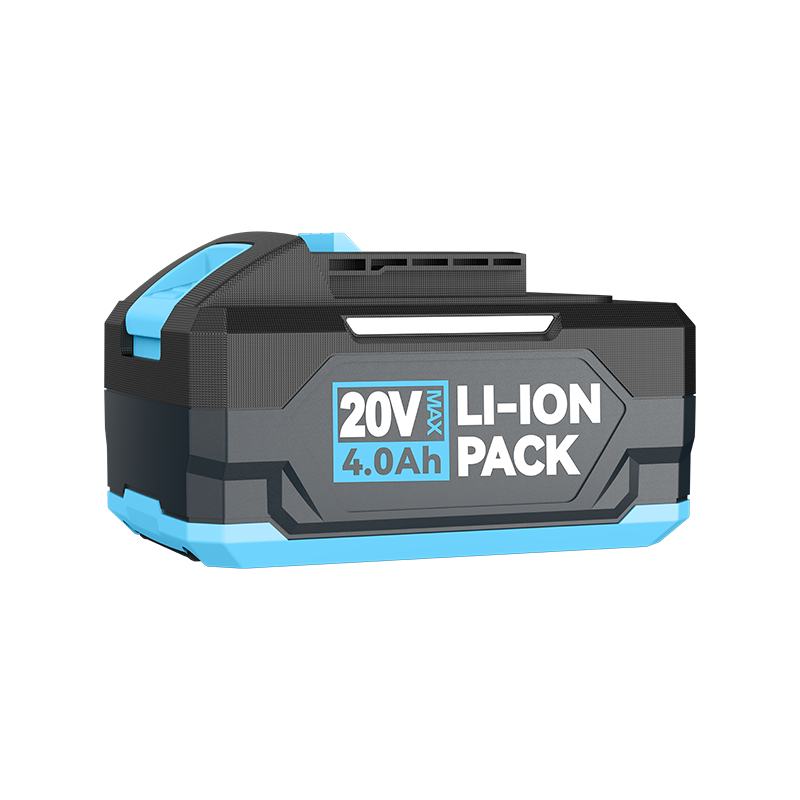 GREAT 4.0AH Battery for Cordless Tool AccessoriesReview this 4.0AH accessory battery when planning pack capacity, cooling intervals, and spare-battery logistics before a larger orchard order.View Product →
Procurement Risks and Acceptance Checks
The most common procurement mistake is buying by headline capacity without testing the real branch mix. The second is underestimating battery logistics. The third is accepting a blade system that is difficult to replace or adjust. A structured acceptance check reduces these risks before a larger order is placed.
Procurement risk checklist for orchard cordless pruning shears. Each item should be confirmed with a sample, a field trial, or written technical data.
| Risk |
Why it matters |
Acceptance check |
| Rated capacity is used as a daily target |
Operators force the tool, causing heat, stalls, and fatigue. |
Test the shear on the orchard's most common branch size, not only the largest branch. |
| Battery run time is estimated from light use |
Crews run out of power during peak pruning windows. |
Count cuts per battery in a timed field trial with the real branch mix. |
| Blade replacement is difficult |
Downtime increases and cut quality drops as blades wear. |
Ask for blade part numbers, replacement steps, and clearance adjustment guidance. |
| Controller protection is unclear |
Repeated stalls can damage the motor or shorten battery life. |
Confirm overload indication, cutoff behavior, and recovery time after a stall. |
| Charger cycle is ignored |
Battery quantity may be insufficient even when pack capacity looks adequate. |
Measure charge time from empty to full and plan spare packs around it. |
Product Configurations for Orchard Programs
A sensible orchard program often uses two shear configurations rather than one compromise model. The first handles routine pruning with lower weight and a 25–30 mm working range. The second covers renewal cuts and harder wood with a 32–38 mm range and a higher-capacity battery. This split improves operator comfort and reduces the risk of forcing a light shear through heavy branches.
When configuring a program, confirm blade type, rated capacity, battery platform, charger quantity, and spare-parts support. A model with intelligent opening adjustment can help operators match the blade opening to branch size, reducing unnecessary trigger travel and improving cycle rhythm. For orchards that mix young trees and mature blocks, that flexibility is often more useful than a single high-capacity rating.
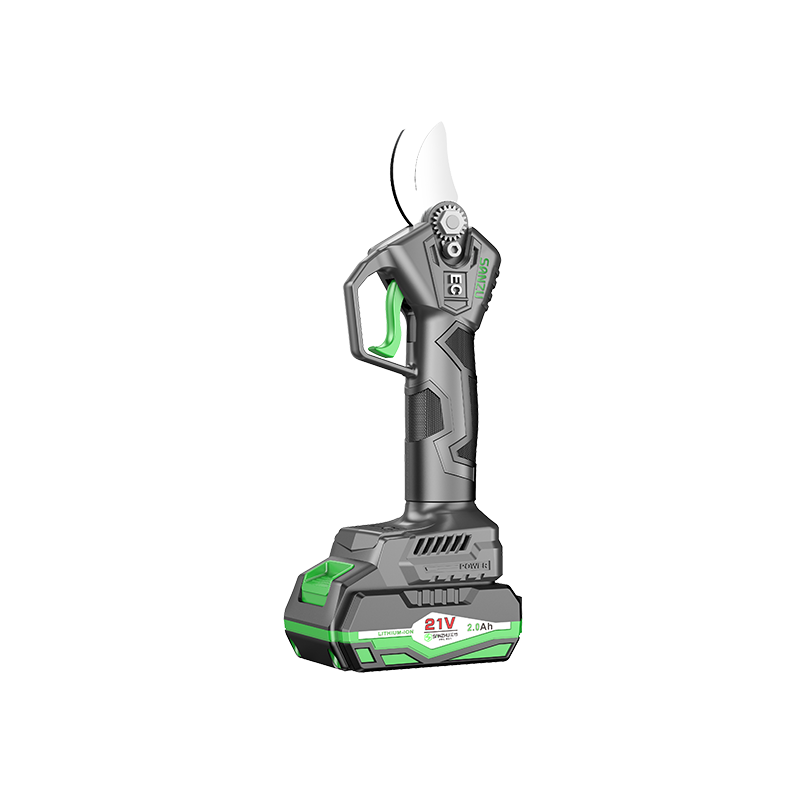 SZ-30 21V Brushless Pruning Shear with Intelligent OpeningSZ-30 pruning shear offers intelligent opening adjustment, 21V brushless operation, and a compact 0.71 kg body for orchard touch-up work.View Product →
Routine block configuration
25–30 mm working range, 4.0 Ah battery, compact body, and a blade design that supports fast touch-up cuts. Best for crews moving between many small branches.
Renewal block configuration
32–38 mm working range, 6.0–8.0 Ah battery, stronger controller protection, and a blade system designed for harder wood. Best for mature trees and seasonal heavy cuts.
Shared battery platform
Keep packs and chargers compatible across the pruning crew. A shared platform reduces spare-parts complexity and simplifies training.
Maintenance, Blade Wear, and Long-Term Runtime
Long-term battery run time depends on maintenance as much as cell capacity. A worn blade, loose clearance, or dirty cutting head increases resistance. Clean the blade after each shift, remove sap and debris, and check the cutting clearance according to the manufacturer's guidance. Do not over-tighten blade fasteners; excessive friction can raise current draw and heat.
Battery care also affects run time. Store packs in a dry place at moderate temperature, avoid leaving them fully discharged for long periods, and allow hot packs to cool before charging. In cold weather, capacity may drop temporarily; plan extra packs for early-morning winter pruning rather than pushing the battery into protection.
- Inspect the blade edge and bypass clearance at the start of each shift.
- Remove sap and wood dust before it hardens on the cutting head.
- Rotate battery packs evenly so one pack does not carry all heavy cycles.
- Record cuts per pack during peak season to detect declining performance.
- Keep spare blades and fasteners with the crew to avoid forced cuts.
For high-cut-count orchards, an 8.0 Ah pack can reduce swap frequency and keep the crew working through long blocks. It should be matched with a charger plan and a realistic weight limit for the operator.
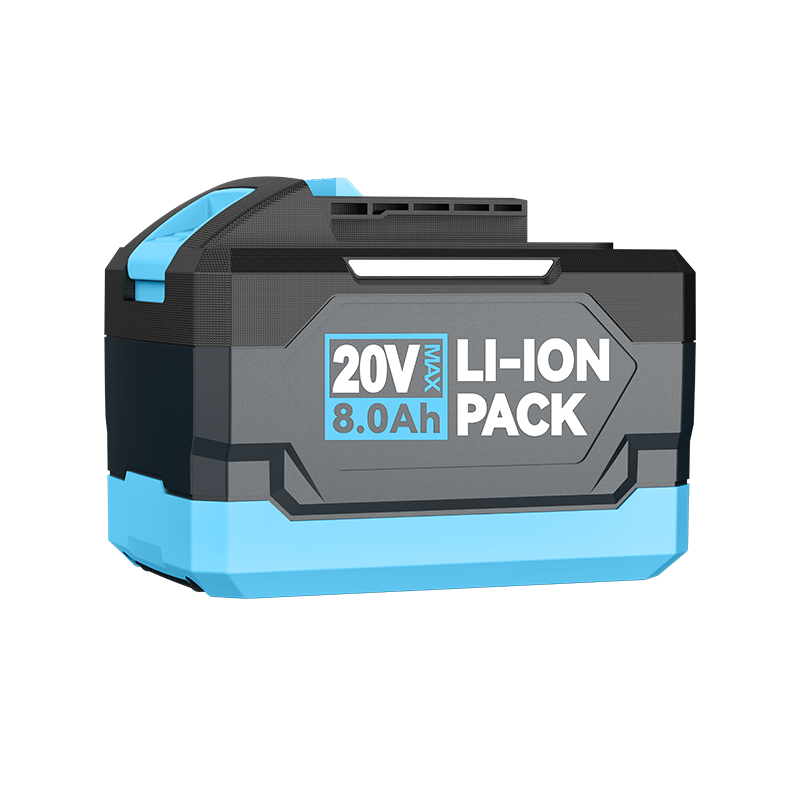 GREAT 8.0AH Battery for Cordless Tool AccessoriesConsider this 8.0AH pack for high-cut-count orchard work where fewer battery swaps and a planned charger schedule can keep crews moving.View Product →
FAQ: Cordless Pruning Shears for Orchards
What cutting capacity do I need for orchard pruning?
For young trees, vines, and light routine pruning, 20–25 mm is often enough. For mixed mature orchards, 25–30 mm covers most daily work. For renewal cuts, hard wood, or branches frequently above 30 mm, choose a 32–38 mm model and treat the rated maximum as a ceiling rather than a daily target.
How long will a battery actually last?
Plan by cut count, not only hours. A 4.0 Ah pack may cover a short light-pruning shift but require rotation during heavy renewal work. A 6.0–8.0 Ah pack extends coverage, but branch hardness, blade sharpness, and temperature can still reduce run time significantly.
Is a higher-capacity battery always better?
Not always. Higher capacity usually means more weight. For small plots and light branches, a 2.0–4.0 Ah pack may be more comfortable. For long shifts and dense wood, 6.0–8.0 Ah packs reduce swaps and keep the crew productive.
How often should the blade be sharpened or replaced?
Check the blade daily and sharpen or replace it when cuts require extra force, leave crushed edges, or slow the trigger cycle. Sap-heavy orchards may need more frequent cleaning. Always follow the manufacturer's blade clearance and replacement procedure.
Can one shear handle both young trees and mature orchard blocks?
A 30–35 mm model can cover both, but it may be heavier than necessary for young trees. Many orchard programs use a lighter shear for routine work and a larger model for renewal cuts. This reduces operator fatigue and lowers the risk of forcing a small shear beyond its productive range.

 English
 русский
 Español