A wheel nut torqued to 120 N·m on a dry afternoon can demand well over 400 N·m to break loose three winters later. That gap between the tightening figure and the real removal figure is exactly why so many cordless impact wrenches stall at the roadside with a socket spinning and the car going nowhere.
Sizing the tool correctly comes down to two numbers, not one. The square drive decides which sockets fit and how much force you can actually transmit. The torque class decides whether the nut moves. Get both right and a single 20V tool covers everything from a compact hatchback to a light commercial van. Get one wrong and you will be reaching for a breaker bar in the rain.
Short Answer: The Two Numbers You Actually Need
For passenger cars, SUVs and light trucks, choose a cordless impact wrench with a 1/2-inch square drive and a rated torque of at least 600 N·m (440 ft-lbs). That combination removes virtually every lug nut on a road car, including nuts that have not been touched in several years.
A 350 N·m (260 ft-lbs) model still has a clear place in a workshop. It is the right choice for clean, recently torqued wheels and for anyone who rotates tires twice a year and keeps threads lubricated. Above the light truck class the numbers climb quickly, and 1/2-inch drive stops being enough.
Removal torque figures are practical field estimates for fasteners that have seen weather and heat cycles, not manufacturer tightening specifications.
| Vehicle class |
Typical wheel bolt |
Nut across flats |
Square drive |
Realistic removal torque |
| Compact car, city hatchback |
M12 x 1.5 |
19 mm |
1/2 inch |
250 to 350 N·m |
| Mid-size sedan, crossover SUV |
M14 x 1.5 |
21 mm |
1/2 inch |
350 to 500 N·m |
| Light truck, panel van, pickup |
M14 x 1.5 |
22 mm |
1/2 inch |
500 to 750 N·m |
| Heavy pickup, chassis cab |
M16 x 1.5 |
24 mm |
3/4 inch |
800 to 1200 N·m |
| Commercial truck, trailer, bus |
M18 to M22 |
27 to 33 mm |
3/4 or 1 inch |
1200 N·m and above |
Two columns in that table deserve attention. The nut across flats tells you which socket to hold, and the square drive tells you which tool platform can deliver the torque without shearing an adapter. Everything else follows from those two.
Why 1/2-Inch Drive Became the Working Standard
The square drive is the physical joint between the tool and the socket. It is also a torque bottleneck. A smaller anvil flexes under load and wastes energy that should be reaching the nut. A larger anvil forces you into heavy sockets that will not fit inside a modern alloy wheel recess.
What 1/2-inch drive delivers in practice
Almost all wheel nuts on cars and light vans sit between 17 mm and 24 mm across the flats. A 1/2-inch impact wrench covers that entire range with impact-rated sockets made from chrome-molybdenum steel, which resists the repeated shock loading that a cordless impact produces. It is the point where socket availability, anvil strength and tool weight balance out.
- Socket range from 10 mm to 38 mm, covering every common wheel nut size
- Torque delivery from roughly 300 N·m to over 1000 N·m depending on the model
- Tool weight that a technician can hold at shoulder height without fatigue
- Widely available extensions, universal joints and deep sockets
When you must step up to 3/4-inch or 1-inch drive
Once the wheel bolt reaches M16 and the tightening specification passes 200 N·m, a 1/2-inch anvil is working at its ceiling. Adapters that convert a 1/2-inch tool to a 3/4-inch socket are a false economy. They absorb a measurable share of the torque in the joint itself, they heat up, and they fail without warning under repeated shock loads. If the vehicle runs commercial wheels, buy the larger drive size rather than adapting a small one.
There is also a practical rule about ratings. A cordless impact wrench torque figure printed on a box is a peak value measured under ideal conditions. Under a real vehicle with a partly discharged battery and a cold workshop, expect somewhere between 70 and 85 percent of that number. Size the tool so that its peak rating sits comfortably above the removal torque you calculated, not exactly on it.
Do the Arithmetic Before You Choose
Tightening torque is what a fastener needs to stay safe. Removal torque is what a fastener needs to come apart. Corrosion, thread deformation and years of heat cycling push the second figure two to three times higher than the first.
Take a common M14 wheel bolt tightened to 140 N·m at the last tire service. In the first month it may release at 180 to 250 N·m. After one winter of road salt it can need 300 to 400 N·m. After three to five years without removal, 400 to 600 N·m is normal rather than exceptional. A nut that was previously run down with an impact gun by the last workshop can easily reach 650 N·m.
Freshly torqued wheel nut 160 N·m
After one winter of road salt 320 N·m
Three to five years untouched 480 N·m
Previously run down with an impact gun 650 N·m
Pickup in a salt-belt region 900 N·m
Commercial truck wheel 1200 N·m
The same progression shows up as a curve when removal torque is plotted against time since the last service. The steepest section is the first year, which is when most roadside failures happen, because that is the period when owners still assume a modest tool will manage.
Removal torque required across five years of service, from a freshly torqued wheel on the left to a heavily corroded pickup wheel on the right. Each step represents roughly one year of exposure to weather and brake heat.
Read a chart like that before buying, and the shortlist becomes obvious. A 300 N·m tool is comfortably ahead of a fresh wheel and hopeless against a four-year-old one. A 600 N·m tool covers every passenger car scenario you will meet. A 1000 N·m tool covers cars and light trucks and gives you room to work on stubborn nuts without holding the trigger until the battery dies.
Corrosion, Seizing and Heat: Why Specifications Mislead
A workshop manual quotes a dry tightening figure for a new fastener on a clean thread. Real vehicles rarely match that description. Water sits in the taper seat, road salt accelerates oxidation, and the constant heating and cooling of the brake disc bakes the joint until the two surfaces effectively weld at a microscopic level.
Aluminium alloy wheels make the problem worse. When a steel stud meets an aluminium wheel, moisture creates a galvanic couple and the nut corrodes onto the seat. Nuts that were perfectly easy to remove two years earlier can become the hardest part of a straightforward tire change.
Give the tool time to work
A cordless impact wrench does not reach peak torque in the first half second of trigger pull. It builds up through repeated impacts, and those impacts need time and a healthy battery. Many situations described as a tool being too weak are actually a tool being given three seconds and then put away. Hold the trigger for ten to fifteen seconds on a stubborn nut, keeping steady pressure toward the wheel, and let the mechanism do its work before deciding the torque class is wrong.
Technique that saves a wheel change
- Loosen nuts a quarter turn with the wheel on the ground, never in the air
- Apply penetrating oil an hour before starting when the vehicle allows it
- Use a six-point impact socket rather than a twelve-point one to avoid rounding the nut
- Keep the socket square to the nut so impact energy travels straight down the fastener
- Work in short bursts and check for heat building in the socket and adapter
16V, 20V and 21V: What Voltage Really Changes
Voltage describes the battery platform, not the peak torque. Two 20V tools from the same production line can sit 400 N·m apart because of motor design, gear ratio and control electronics. What the platform does determine is how much current the tool can draw, how long it runs on a charge, and which batteries you can share across a kit.
Voltage classes describe the battery platform and its working envelope; final torque always depends on motor, gearbox and electronic control rather than on the label alone.
| Platform |
Typical brushless output |
Wheel nut coverage |
Common battery capacity |
| 16V |
160 to 300 N·m |
Compact cars with clean threads |
1.5 to 2.0 Ah |
| 20V |
350 to 1000 N·m |
Cars, SUVs, light trucks, most pickups |
2.0 to 8.0 Ah |
| 21V |
400 to 1000 N·m and above |
Same range, common in European and Latin American channels |
2.0 to 8.0 Ah |
There is a detail worth knowing here. A five-cell lithium pack is often marketed as 20V Max in one market and 21V in another, because one figure reflects the charged state and the other reflects the nominal state. Treating them as completely different platforms leads to unnecessary purchases. Treating them as interchangeable without checking the battery interface leads to tools that will not accept the packs you already own.
Battery capacity and running time
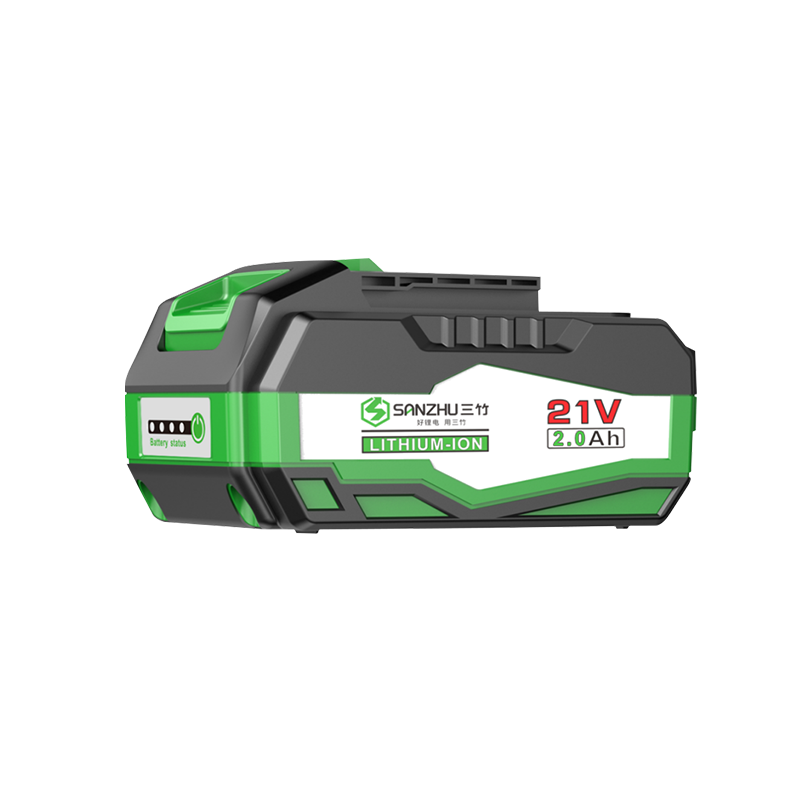
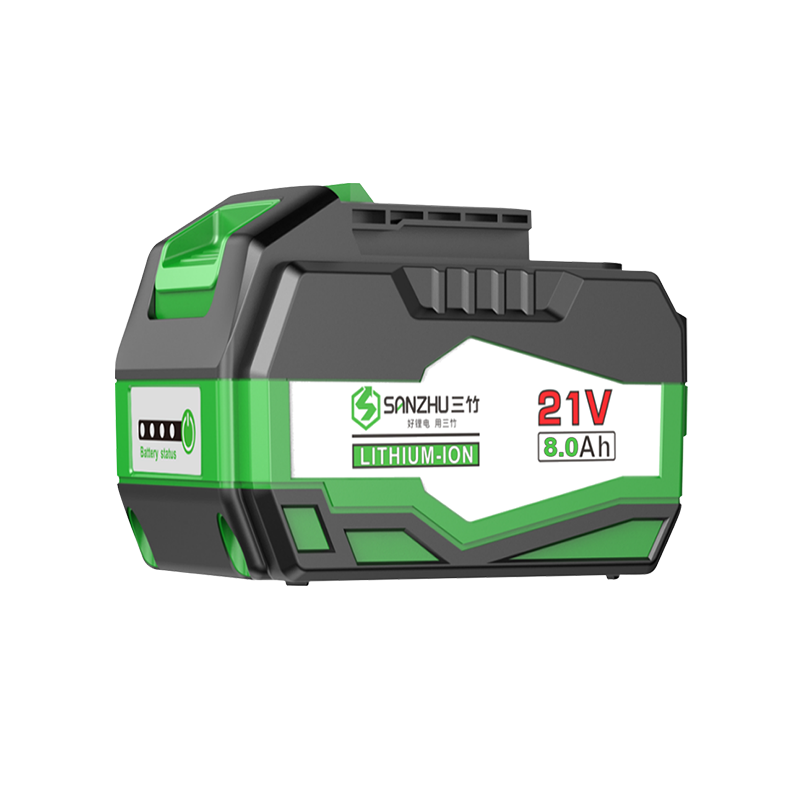
Capacity determines how many wheels you can process before a recharge, not how hard the tool hits. A 2.0 Ah pack on a 600 N·m wrench will remove a set of four wheels and then want a break. An 8.0 Ah pack in the same tool will handle a full day of tire rotation work on one charge, but it also adds weight at the back of the tool, which affects control when you reach into a wheel arch.
1.5 to 2.0 Ah
Short jobs and roadside kits. Light, easy to store in a vehicle, and enough for one set of wheels.
4.0 to 6.0 Ah
The practical middle ground for mobile mechanics and small workshops. Balanced weight and runtime.
8.0 Ah and above
High-volume tire work. Maximum runtime, but check for overheating when running long continuous sessions.
Heat is the real limit, not capacity. A brushless motor and a matched control board will thermal-throttle before the battery is empty, which is normal protection rather than a fault. If a tool cuts out mid-job, let it cool for a few minutes rather than forcing it, because sustained overheating degrades both the motor windings and the cells.
Sockets, Extensions and Adapters: Where Torque Disappears
A 1000 N·m wrench connected to a cheap socket delivers considerably less than 1000 N·m at the wheel nut. Everything between the anvil and the nut is part of the torque path, and every extra joint takes a share.
- Use chrome-molybdenum impact sockets only. Chrome-vanadium hand sockets can shatter under impact loading.
- Choose six-point sockets for wheel nuts. Twelve-point profiles concentrate stress on the corners and round off tight nuts.
- Avoid long extensions where possible. Each 150 mm of extension reduces delivered torque and adds a twisting load the socket wall must resist.
- Skip universal joints on tight wheel nuts if a swivel impact socket will reach.
- Use thin-wall or protective sockets on alloy wheels to avoid damaging the lacquer around the nut recess.
- Inspect sockets for cracks and burred corners before every tire season, and replace rather than re-grind.
Torque limiting and tightening
A cordless impact wrench is a removal tool first, but it can tighten safely if it has adjustable modes. Look for two or three torque stages with an electronic cut-off that lets you run the nut down at low speed and then finish by hand with a calibrated torque wrench. Running a wheel nut up to full impact torque and calling it tight is how studs get stretched, brake discs get warped and weekend mechanics get stranded.
Six Sizing Mistakes That Cost Time at the Wheel
- Buying by foot-pounds alone. A rating measured on a test bench does not reflect what the tool delivers on a partly discharged battery after ten seconds of impact. Compare torque classes, not marketing headline numbers.
- Choosing 3/8-inch drive for wheel work. The socket range and anvil strength are wrong for wheel nuts, and adapters move the limit further away.
- Ignoring the nut across flats. Confirm whether the vehicle uses 19 mm, 21 mm, 22 mm or 24 mm nuts before ordering sockets, and check whether the wheel uses a recessed seat that requires a thin-wall socket.
- Assuming a bigger number is always better. A 1000 N·m tool is heavier, longer and harder to place inside a tight wheel arch than a 600 N·m compact model. Buy the class that matches the vehicles you actually work on.
- Undersizing the battery. A high-torque wrench running on a small pack will cut out exactly when the nut finally starts to move, which is the worst moment to lose power.
- Forgetting the second wheel. Torque requirements do not change with the vehicle parked in a garage, but a tool that barely managed the first wheel will fail on the fourth. Leave a margin.
Matching a Torque Class to Your Real Work
Manufacturers build impact wrenches in torque families for a reason, and the practical split is straightforward. A compact high-speed model handles interior and light automotive fasteners. A 350 to 450 N·m class tool covers clean passenger car wheels. A 600 N·m class tool covers the whole passenger and light commercial range. A 1000 N·m class tool exists for wheels that have resisted every reasonable attempt to move them.
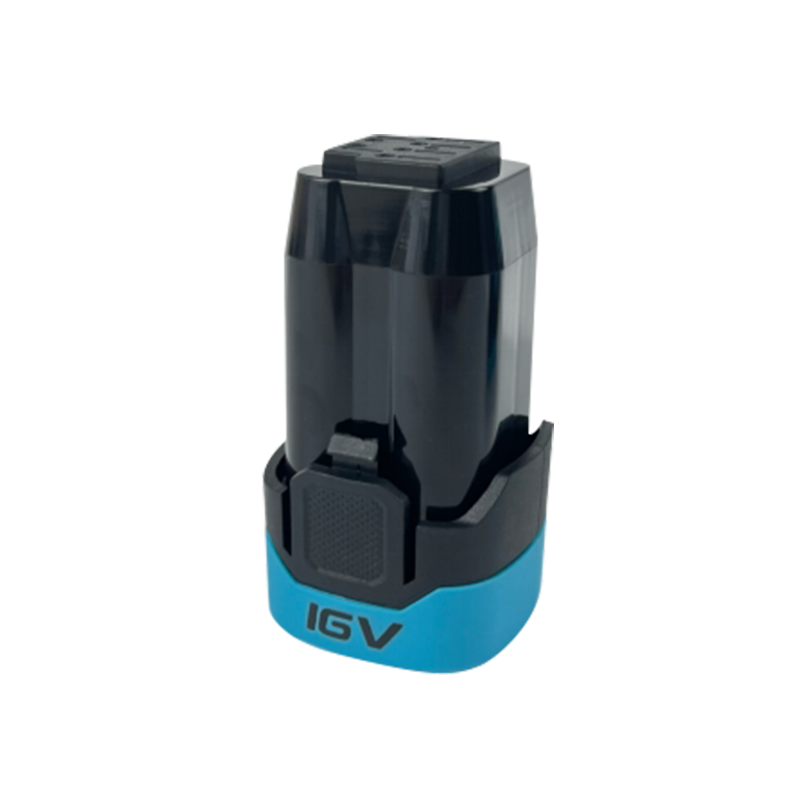
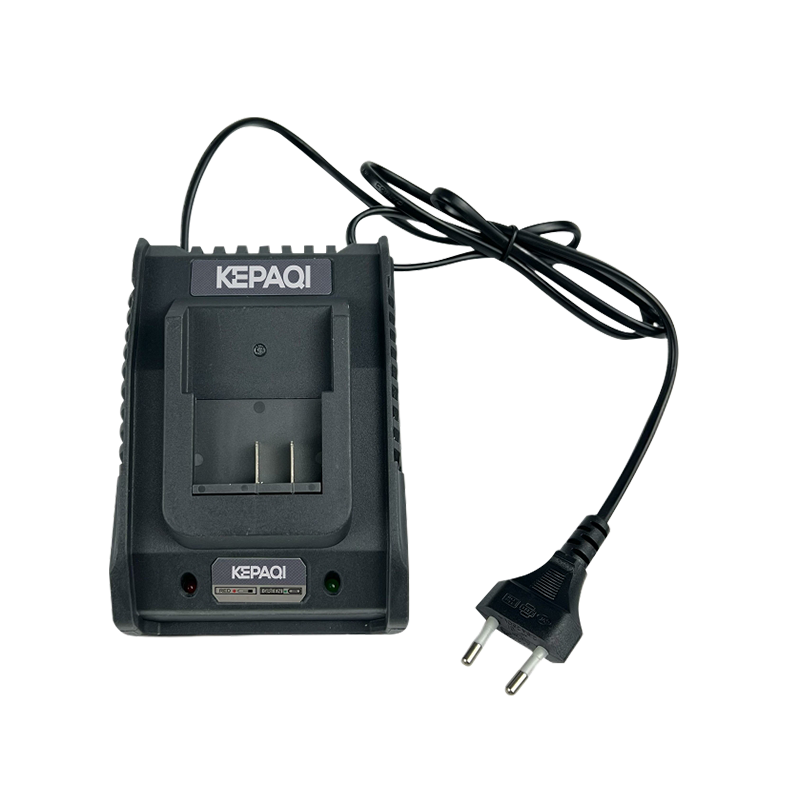
Nantong Great Tools manufactures the range in-house with brushless motors and the same 16V and 20V battery platform across the family, which means a workshop can standardise on one charger and one set of packs while covering all four torque classes. The company runs battery assembly, a quality inspection laboratory and durability testing on site, and that shows up in the way the tools hold their rated output across a full charge rather than dropping away in the second half.
For wheel work specifically, the key specification is not the maximum figure on the box but how long the tool sustains useful torque. A brushless motor with a proper control board keeps its output stable as the battery drains, which is what allows a 600 N·m tool to keep working on the fourth wheel of the day exactly as it did on the first.
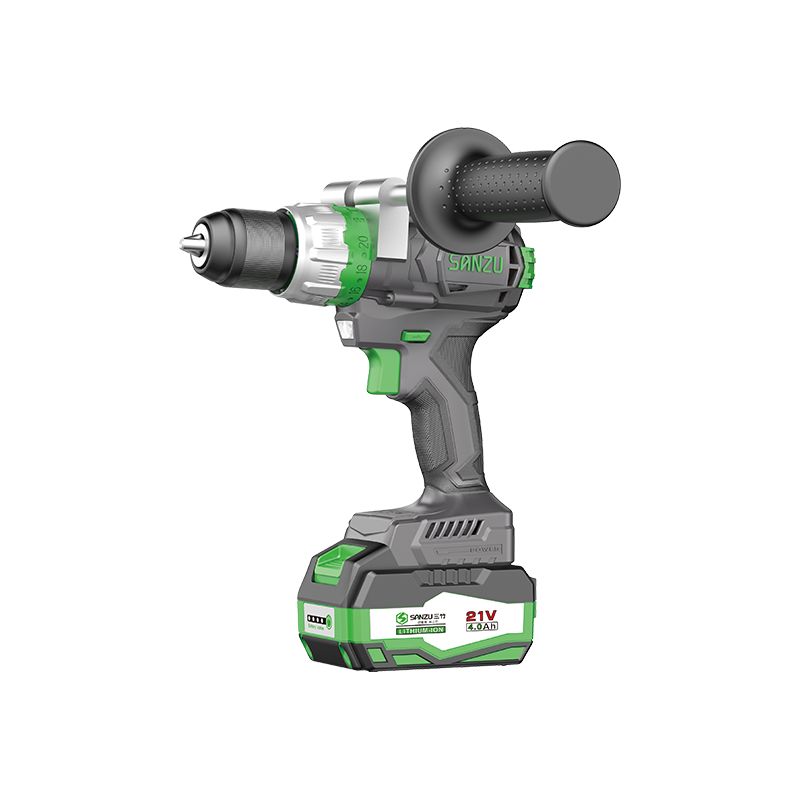
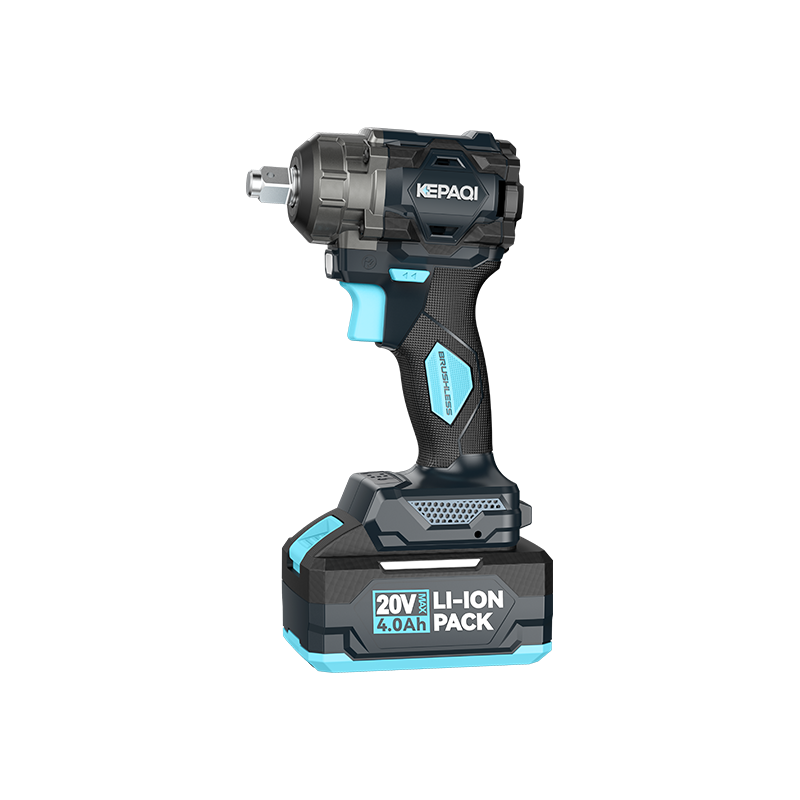 2-speed Mode Straight Drilling Brushless Impact Wrench● Impact Gear in forward and reverse mode, you can choose high speed/low-speed gears to adapt different material ● High-efficiency, brushless motor ● Rubber handles, h...View Product →
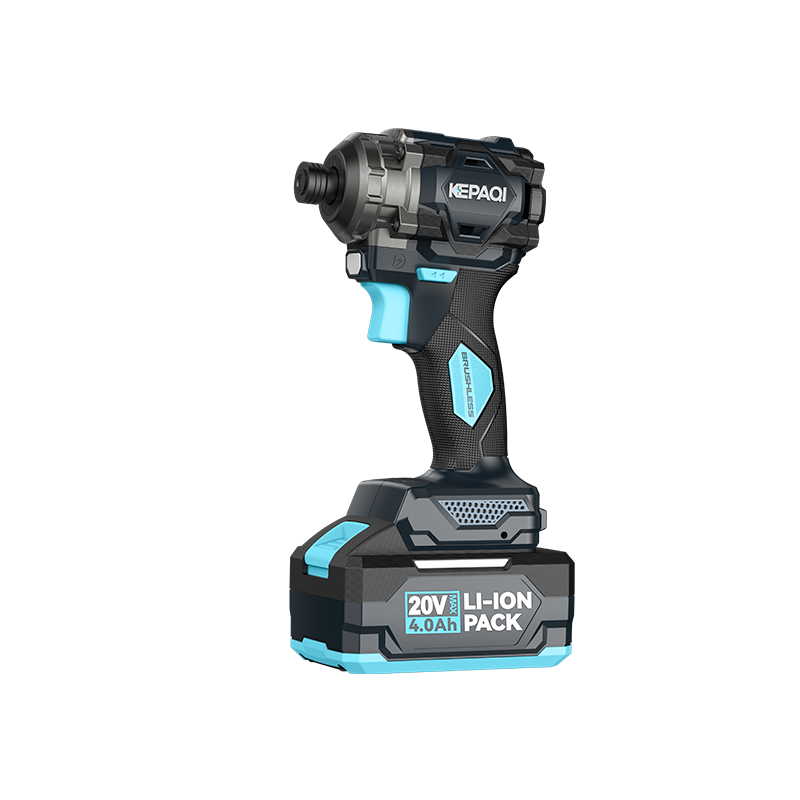
 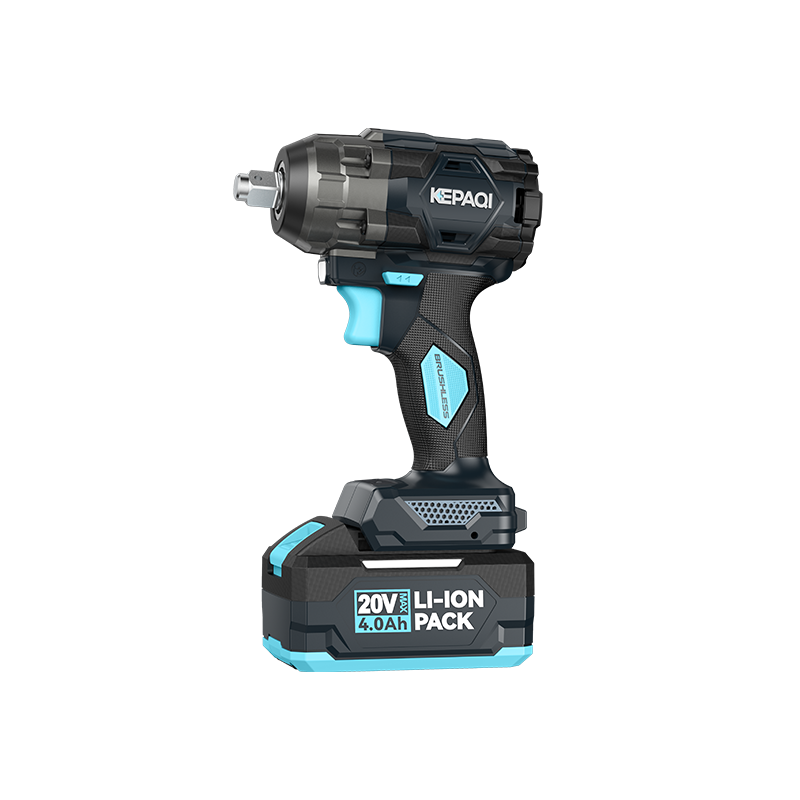 20V Strong Torque Three-gear Adjustment Brushless Impact Wrench● Impact Gear in forward and reverse mode, you can choose high speed/low speed gears to adapt different materials or screws ● High efficiency, brushless motor ● Rubber...View Product →
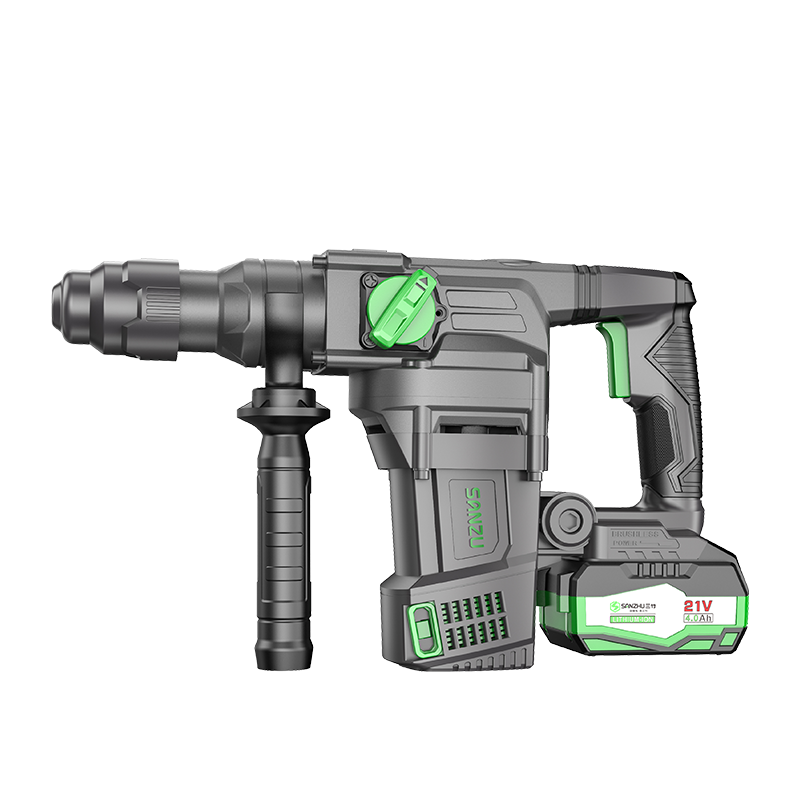
 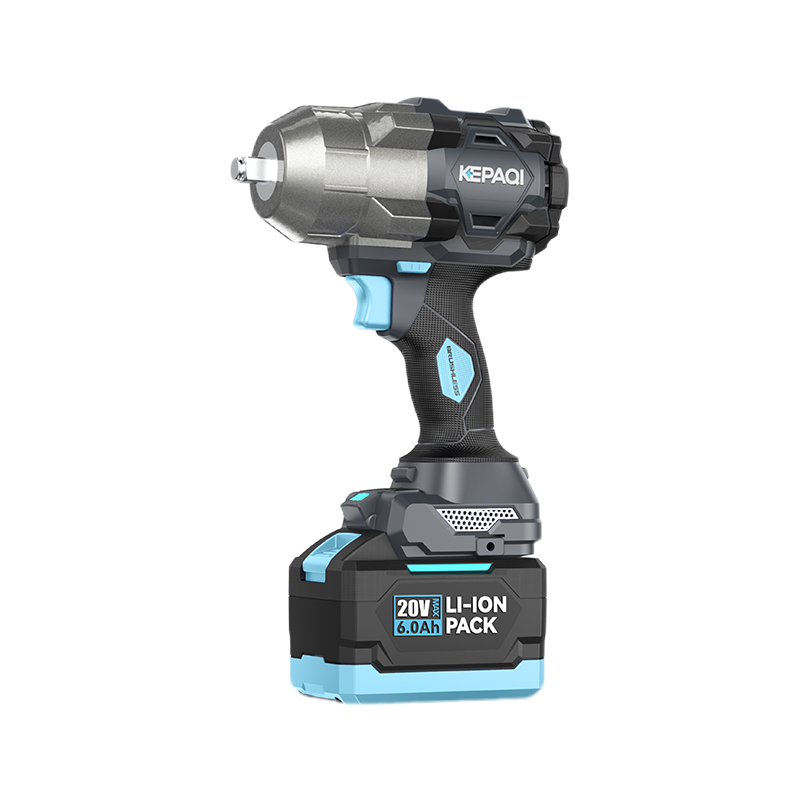 KPQ20V-1000N.m Brushless Impact WrenchThe KPQ20V-1000N.m Brushless Impact Wrench redefines professional-grade torque performance with its advanced brushless motor and innovative Impac Gear system. Engineer...View Product →
Selection Summary by Use Case
Home garage, one car
A 21V brushless impact wrench at 350 N·m with a 4.0 Ah pack removes clean wheel nuts and handles suspension work on the same vehicle. Light enough to keep in the boot.
Mobile tire service
A 600 N·m model on a 20V platform with two 6.0 Ah packs covers passenger cars and vans without repeated charging stops. Add a set of six-point impact sockets from 17 mm to 24 mm.
Pickup and light commercial fleet
A 1000 N·m class tool with a 1/2-inch anvil handles seized nuts, and the extra headroom means less trigger time and less heat on each wheel.
Heavy commercial workshop
Step beyond the 1/2-inch platform entirely. A 3/4-inch or 1-inch drive tool with matched impact sockets keeps adapters out of the torque path.
Standardising matters more than peak figures. If a workshop already runs a 20V battery platform, buying a second high-torque bare tool is far cheaper and faster than introducing a new system with its own chargers and packs. One platform, several torque classes, one charging routine.
Frequently Asked Questions
Will a 350 N·m cordless impact wrench remove lug nuts?
Yes, on clean passenger car wheels that were torqued correctly at the last service. It will struggle on nuts that have been in place for several years, on vehicles exposed to road salt, or on nuts previously overtightened with an impact gun. If your vehicle only sees two tire changes a year and threads are kept in good condition, 350 N·m is a reasonable working choice.
Is 1/2-inch or 3/4-inch drive better for wheel nuts?
1/2-inch drive is correct for cars, SUVs and light trucks, covering nut sizes from 17 mm to 24 mm. Move to 3/4-inch drive when the wheel bolt reaches M16 and the tightening specification goes above roughly 200 N·m, as happens on heavy pickups, chassis cabs and commercial vehicles.
For a car, plan for 260 to 370 ft-lbs of usable removal torque. For a light truck, 400 to 550 ft-lbs. For a heavy pickup or a badly corroded wheel, 600 to 900 ft-lbs. Remember that a tool rating is a peak figure, so choose a class above the number you calculated.
Does a bigger battery give more torque?
It gives more sustained torque. A larger capacity pack holds voltage under load for longer, which means the tool keeps delivering near its rated output as it works through a set of wheels. Peak torque on the first nut is largely determined by the motor and gearbox, not the pack size.
Why is my impact wrench spinning but not moving the nut?
Three common causes. The torque class is below the removal torque the nut actually needs. The socket is worn or the wrong profile and is slipping on the flats. Or the tool has not been given enough continuous trigger time to build up its full impact energy. Check all three before concluding the tool is faulty.
Can I use a cordless impact wrench to tighten wheels?
Only with a controlled mode. Use a low or medium stage to run the nuts down until they seat, then finish with a calibrated torque wrench set to the vehicle specification. Never use full impact torque on a wheel nut and never assume that a high setting is a substitute for a torque wrench.
What socket sizes should I keep for wheel work?
A six-point impact set covering 17 mm, 19 mm, 21 mm, 22 mm and 24 mm handles the vast majority of passenger cars and light trucks. Add a thin-wall or protective variant for alloy wheels with recessed nut seats, and keep a spare deep socket for studs that protrude through the nut.
The answer to the original question is not a single number. It is a 1/2-inch square drive paired with a torque class that leaves margin above the real removal torque of the nuts you meet. For most vehicles on the road that means a 600 N·m brushless tool on a 20V platform with a 4.0 to 6.0 Ah pack, a set of six-point impact sockets from 17 mm to 24 mm, and the patience to hold the trigger long enough for the tool to do its job.
Buy for the hardest wheel you expect to see, not the easiest one you saw last weekend. The cost difference between torque classes is small compared with the cost of a tow truck, and the tool you choose will still be in your kit long after the nuts that defeated a smaller one have been replaced.

 English
 русский
 Español