Here is the short answer: yes, 250 ft/lbs of torque is enough for the lug nuts on virtually every passenger car, crossover, and light pickup on the road today. It is not enough for a 1-ton dual rear wheel truck, and it is nowhere close for a medium or heavy commercial vehicle.
The more useful answer is about margin, not adequacy. A tool rated at a maximum of 250 ft/lbs is being asked to work at or near its ceiling on a full-size pickup, and the distance between the number printed on the label and the number that actually reaches the nut is exactly where expensive mistakes live.
This guide breaks down real lug nut torque windows by vehicle class, explains why a 250 ft/lbs rating is not the same as 250 ft/lbs of delivered torque, and covers what to check before you buy, stock, or resell an impact wrench in this class.
Lug Nut Torque by Vehicle Class: Where 250 ft/lbs Sits
Lug nut torque is not a matter of feel. It is calculated from thread size, bolt grade, wheel flange material, and seat type, and it usually carries a tolerance window of roughly plus or minus ten percent. Different vehicle classes land in very different places. The table below groups the ranges a service shop sees most often.
Typical ranges shown for planning purposes only. Always confirm the specification printed in the vehicle service information before applying torque.
| Vehicle or application |
Typical torque (ft/lbs) |
Typical torque (Nm) |
250 ft/lbs tool |
| Compact and mid-size passenger cars |
76 to 100 |
103 to 136 |
Large margin |
| Full-size sedans and crossovers |
80 to 110 |
108 to 149 |
Large margin |
| Mid-size SUVs and compact pickups |
100 to 120 |
136 to 163 |
Comfortable |
| Full-size pickups, 1500 class |
140 to 165 |
190 to 224 |
Enough, limited margin |
| Heavy-duty pickups, 2500 and 3500 class, single rear wheel |
150 to 165 |
203 to 224 |
Enough, near the ceiling |
| Heavy-duty pickups, 3500 class, dual rear wheel |
165 to 200 |
224 to 271 |
Marginal, 300 plus is safer |
| Medium commercial trucks |
250 to 450 |
339 to 610 |
Not recommended |
| Heavy trucks and buses |
450 to 700 |
610 to 949 |
Not suitable |
Read the final column closely. For daily driver work, a 250 ft/lbs rating sits comfortably ahead of the requirement. Two rows deserve attention. Dual rear wheel 3500 class trucks and medium commercial chassis sit at or beyond that limit, and that is where a tool rated at 250 ft/lbs stops being a tool and starts being a liability.
The chart below shows the same information as a share of the tool's rated capacity, which makes the shape of the problem easier to see.
Passenger car, about 90 ft/lbs
Mid-size SUV, about 110 ft/lbs
1500 class pickup, about 150 ft/lbs
Dual rear wheel 3500, about 200 ft/lbs
Medium commercial truck, about 300 ft/lbs
Anything in the blue zone is a comfortable match. The amber bar is where operators start counting impacts. The red bar is a different tool category altogether, and no amount of trigger discipline will fix it.
Why a 250 ft/lbs Rating Does Not Mean 250 ft/lbs at the Nut
Most cordless impact wrenches advertise a maximum torque figure taken from a bench test with a fully charged battery, a warm motor, a rigid joint, a clean fastener, and several seconds of sustained impacting. Real wheel work is nothing like that.
- Battery voltage sag. A 20V pack delivers its full nominal voltage only near a full charge. As state of charge drops, current delivery drops with it, and a typical cordless impact wrench loses somewhere between 15 and 30 percent of its tightening torque by the time the pack is half empty.
- Impact duration. The peak figure is usually reached after four to six seconds of continuous impacting. An operator who squeezes the trigger for two seconds and stops may be applying only 150 to 180 ft/lbs, which is a genuine risk on a wheel that needs 165 ft/lbs.
- Sockets and extensions. Every joint in the drive train absorbs energy. A 150 mm extension combined with a universal joint can cut the torque that reaches the nut by 10 to 20 percent, and a worn socket that rocks on the nut is worse still.
- Thread condition. Rusted, anti-seize coated, or lightly oiled threads change the relationship between applied torque and clamp load. A fastener specified dry may reach the same clamp load at a noticeably different applied torque once it is lubricated.
- Temperature. Lithium-ion packs deliver less current in the cold. A tool that reaches 250 ft/lbs in a heated workshop may struggle to reach 190 ft/lbs on a roadside at minus ten degrees.
The practical conclusion is straightforward. If the job requires 165 ft/lbs and the tool's maximum is 250 ft/lbs, you are relying on a buffer of roughly fifty percent that battery sag, cold weather, and a worn socket can eat straight through. A margin that looks generous on a specification sheet is much thinner in a working bay.
Thread Size and Bolt Grade Set the Real Ceiling
The tool is the outcome, not the constraint. Wheel studs and bolts are designed to be reused dozens of times while staying inside their elastic range, and the ceiling for that is fixed by thread size, pitch, and property class long before an impact wrench enters the picture.
Typical wheel fastener sizes and torque ranges. Individual vehicle platforms vary, so confirm against manufacturer service data before use.
| Application |
Typical wheel fastener |
Typical torque (ft/lbs) |
250 ft/lbs tool |
| Compact and mid-size passenger cars |
M12 x 1.5 |
76 to 100 |
Far more than needed |
| Full-size sedans and crossovers |
M12 x 1.5 or M14 x 1.5 |
85 to 120 |
Far more than needed |
| Compact and mid-size pickups |
M14 x 1.5 |
100 to 140 |
Enough |
| Heavy-duty pickups |
M14 x 1.5, high strength grade |
150 to 200 |
Close to the ceiling |
| Medium commercial vehicles |
M16 x 1.5 and larger |
250 to 400 |
Underpowered |
| Heavy commercial vehicles |
M18 through M22 |
400 to 700 |
Not suitable |
The dividing line is visible in the table. Passenger car studs in M12 and M14 sizes are specified well below 250 ft/lbs, which is why this class of tool feels effortless on a sedan. Once the fastener reaches M16 and above, the required torque climbs past the tool's ceiling, and forcing it means the operator keeps hammering on a joint that is not moving, which damages threads and stretches studs.
Where a 250 ft/lbs Impact Wrench Genuinely Earns Its Place
Used inside its intended envelope, the 250 ft/lbs class is one of the most useful torque bands in a workshop. It is strong enough to break most passenger car lug nuts loose and gentle enough that an experienced operator will not over-torque a wheel into distortion.
Tire shop wheel stations
Four wheels per vehicle, dozens of vehicles per day, and a torque window that rarely exceeds 120 ft/lbs. A compact 250 ft/lbs tool running on a shared battery platform is faster to handle than a heavier high-torque unit and produces less fatigue over a full shift.
Roadside assistance and mobile service
Vans and light recovery vehicles cover cars, crossovers, and half-ton pickups. The torque ceiling in that mix sits around 165 ft/lbs, which leaves the tool with usable headroom even in cold weather when battery output falls.
Home garages and seasonal tire changes
Two wheel changes a year does not justify a heavy truck-grade tool. A 250 ft/lbs unit with a 1/2 inch square drive covers the family fleet, and the same tool handles suspension and brake work where a high-torque wrench would be difficult to control.
Engine and underbody work
Subframe bolts, strut mounts, and exhaust hardware sit in the 60 to 180 ft/lbs range. A multi-stage trigger lets an operator feather the tool rather than blast a small fastener past its yield point.
Fleet preventive maintenance
Light commercial fleets running vans and half-ton chassis can standardise on one battery platform. Fewer SKUs in the storeroom, one charger type, and predictable service intervals.
Tool kits and bundled sets
This torque class packs well. A drill, an impact driver, and a 250 ft/lbs impact wrench sharing one battery platform is a natural three-piece kit for retail channels.
Matching an Impact Wrench to the Torque Band
If the target is 250 ft/lbs, the safer engineering decision is usually to step one band higher and give the operator genuine headroom rather than rely on a tool running flat out. The three models below cover the main stages of that ladder, from passenger car work up to heavy chassis fasteners.
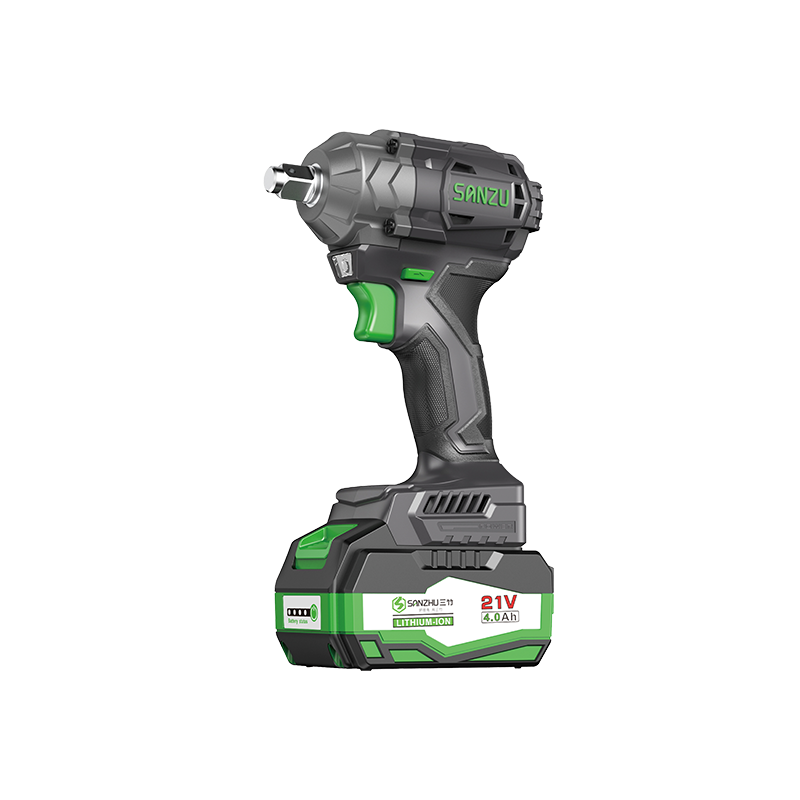
350 Nm converts to roughly 258 ft/lbs, which places this model directly on top of the question in this article. It clears the lug nut specification on passenger cars, crossovers, and 1500 class pickups with room to spare, and the two speed modes let the same tool handle lower torque underbody fasteners without a second unit. Running on a 20V platform, output stays stable from full charge down to roughly half charge, which is where most single-battery wheel jobs finish.
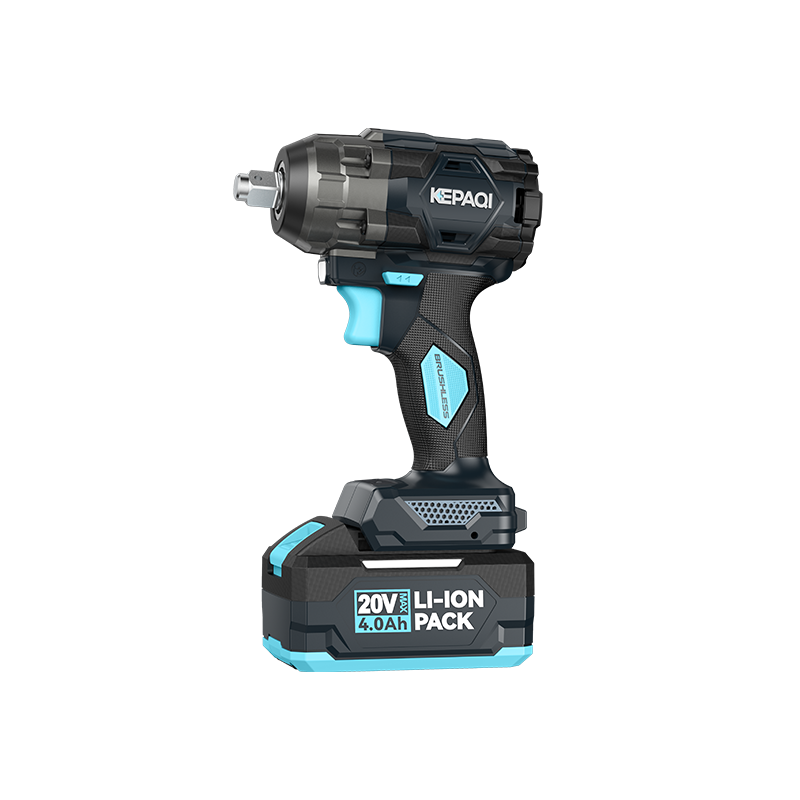 20V Strong Torque Three-gear Adjustment Brushless Impact Wrench● Impact Gear in forward and reverse mode, you can choose high speed/low speed gears to adapt different materials or screws ● High efficiency, brushless motor ● Rubber...View Product →
600 Nm converts to roughly 442 ft/lbs. This is the band for heavy-duty pickups and commercial chassis work. Three gear settings let an operator start in a low range for M14 wheel bolts, then move up for suspension and chassis fasteners that need considerably more. The extra headroom matters most in exactly the conditions described earlier: cold weather, a partially discharged pack, and a socket that has seen better days.
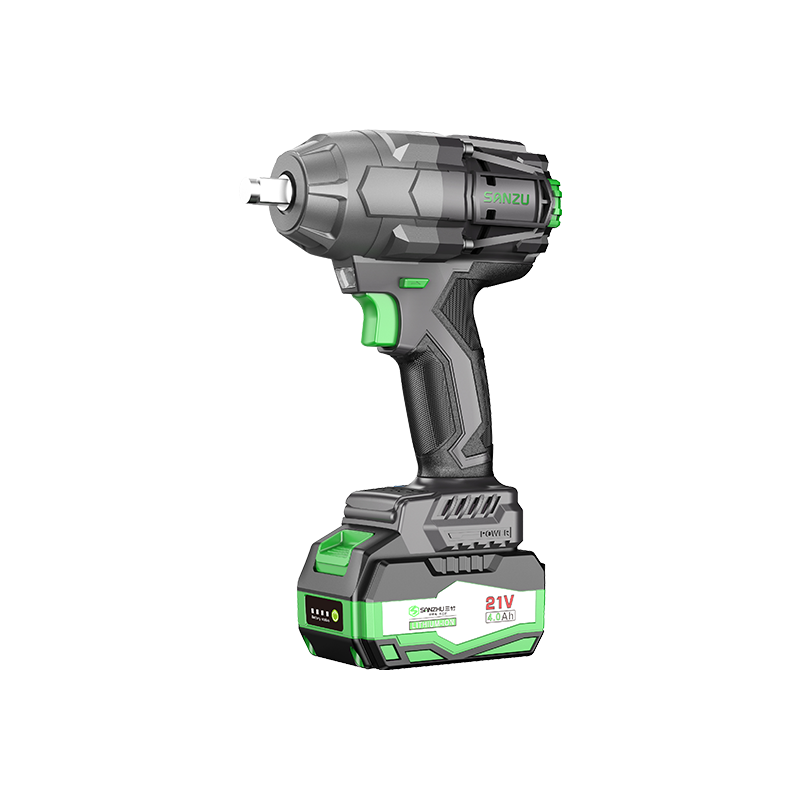 21V High Torque Motor Portable Cordless Electric Brushless Impact WrenchImpact gear in forward and reverse mode, you can choose high speed/low speed gears to adapt different materials or screwsView Product →
At the top of the ladder, a high torque motor on a 21V platform is aimed at M16 and larger fasteners and at heavy fleet work where a 250 ft/lbs class tool simply cannot complete the job. Buying into this band is not about convenience; it is about not damaging studs by holding a trigger on a joint that will never break free.
Clear Signals That 250 ft/lbs Is Not Enough
There are situations where the answer changes from enough to not enough, and they tend to cluster around vehicle weight and fastener condition.
- Dual rear wheel 3500 class trucks. Outer and inner wheels are clamped by the same stud pattern, and the specification commonly lands between 165 and 200 ft/lbs. A 250 ft/lbs tool can technically reach that number on paper, but only at the top of its range with a fresh battery. There is no margin left for cold, corrosion, or a worn socket.
- Medium duty commercial chassis. Fastener sizes move to M16 and above and torque requirements start at 250 ft/lbs and climb. This is a different category of equipment.
- Seized or corroded fasteners. Breaking a rusted nut loose can require two to three times the installation torque. A tool already at its ceiling will not generate the breakaway force needed, and the operator ends up hammering without result while the socket rounds the nut.
- Removal versus installation. A wrench rated at 250 ft/lbs of tightening torque usually produces more in reverse, but the reverse figure is a separate specification and should be quoted separately. Assuming it is the same number leads to disappointed customers and warranty claims.
- Fleet customers running mixed vehicles. A single tool that covers half-ton trucks will not cover the one-ton units in the same yard. Standardising on a higher torque class across an entire fleet often removes a second SKU rather than adding one.
What to Verify Before Buying or Reselling in This Class
If you are an importer, distributor, or private label owner building a range, the specification choices made at this stage determine whether end users describe the tool as capable or underpowered. These are the points that generate the most returns when they are handled carelessly.
Square drive size
1/2 inch square drive is the standard for this torque band. Stepping up to 3/4 inch drive signals a heavier class of tool and brings a larger body, more weight, and a different socket ecosystem with it.
Forward and reverse figures
Quote both numbers separately on the specification sheet. Reverse torque is typically higher than forward tightening torque, and conflating the two creates measurable customer dissatisfaction when the tool is used for removal.
Motor type
Brushless motors hold efficiency better under repeated load, run cooler across a full shift, and remove the consumable brush maintenance cycle. In a professional wheel station these are operational advantages, not marketing points.
Speed and impact rate
A no-load speed in the region of 0 to 2400 rpm with a high impact rate lets the tool reach its torque ceiling quickly, which reduces the total impacting time per fastener and lowers heat build-up in the motor.
Mode selection
Two or three selectable modes let one tool cover both wheel nuts and lighter underbody work. This is a genuine differentiator for buyers comparing two products at the same torque rating.
Battery platform consistency
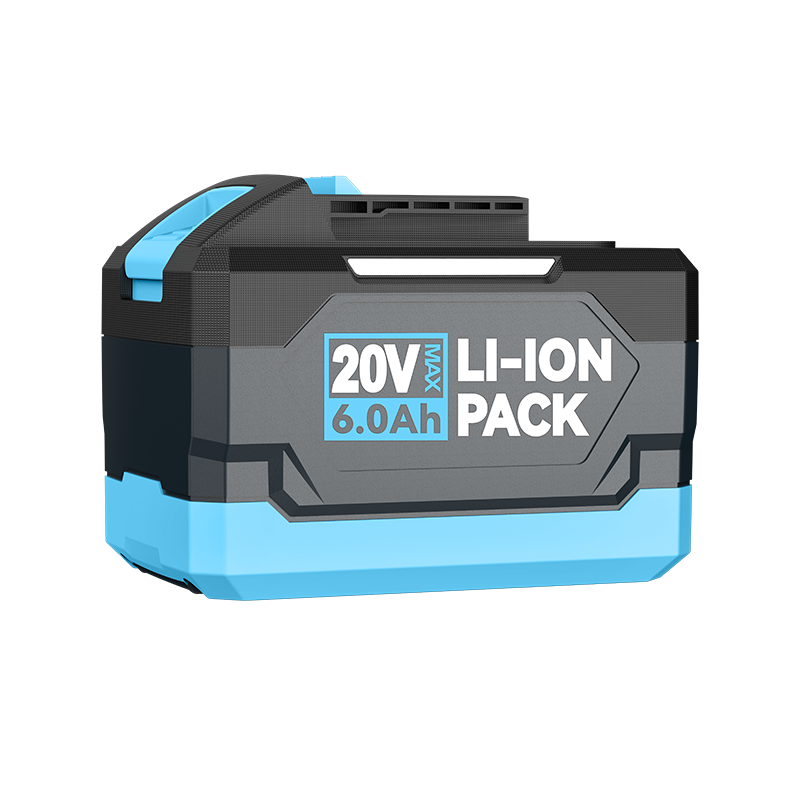
Buyers who already own tools on a shared platform will judge the wrench on compatibility first. A charger and battery range that spans 16V and 20V families keeps the decision simple and reduces the number of SKUs a distributor has to stock.
Weight and body package
Wheel work is overhead and repetitive. A compact, well-balanced body with an over-moulded grip keeps operator fatigue down, and this matters more in practice than a few extra Nm on the datasheet.
Durability validation
Ask for test data covering motor life, switch cycles, and battery pack endurance. A supplier with a battery test system and a durability test programme can provide this; a supplier without one cannot.
For automotive tire and service customers specifically, a purpose-built cordless impact wrench for automotive application is the category worth listing first, because it is the exact job the tool was sized for. For heavier fleet customers, an industrial-grade cordless impact wrench covers the torque ranges this article has placed outside the 250 ft/lbs envelope.
Using a 250 ft/lbs Impact Wrench Correctly on Lug Nuts
Torque capacity is only half the story. The sequence an operator follows determines whether the wheel stays tight and the hardware survives.
- Confirm the specification first. Look up the vehicle's lug nut torque value before touching the wheel. Applying a mid-range guess to a sedan and a one-ton truck is how wheels come loose.
- Clean the threads and the seat. Wire brush rust from the stud, wipe the seat face, and check for a damaged or missing cone washer on flat seat applications.
- Start the nut by hand. Thread the first two or three turns manually to confirm the nut is not cross-threaded before power is applied.
- Snug in a star pattern on a low setting. Use the lowest selectable mode to bring the wheel up to the flange evenly, moving diagonally across the hub rather than around the circle.
- Finish with a calibrated torque wrench. An impact wrench is a tightening aid, not a torque measurement device. Final torque is applied by hand with a torque wrench, still in a star pattern.
- Re-check after the first drive. Ask the customer to return after 50 to 100 kilometres, or re-check the torque yourself after the first road test. Settling in the wheel and hub faces is normal and will reduce preload slightly.
Frequently Asked Questions
Is 250 ft/lbs enough to remove most lug nuts?
For passenger cars, crossovers, and light pickup trucks, yes, with margin. For dual rear wheel heavy-duty pickups and anything in the medium commercial category, a 250 ft/lbs tool will often fail to break the nut loose, especially if the fastener has been exposed to road salt. Removal demands more force than installation, so the practical removal ceiling for a 250 ft/lbs tool is lower than its tightening rating suggests.
How many Nm is 250 ft/lbs?
Roughly 339 Nm. The conversion factor is 1.356, so multiply the foot-pound value by 1.356 to reach newton metres. Working in the other direction, divide Nm by 1.356, or multiply by 0.7376. That is why a 350 Nm tool lands at about 258 ft/lbs and a 600 Nm tool lands at about 442 ft/lbs.
Can a 20V cordless impact wrench actually deliver 250 ft/lbs?
It can reach that figure under test conditions with a fully charged pack and a short, rigid drive train. In real use, expect the delivered torque to fall short of the printed maximum, particularly once the battery is below half charge. Treat the rated figure as a ceiling rather than a working value, and select a tool one band above the torque you actually need.
Should an impact wrench be used to apply final lug nut torque?
No. An impact wrench is appropriate for removing nuts and for bringing them up to the flange, but the final torque value should be applied with a calibrated torque wrench. Impact wrenches cannot measure applied torque, and their output varies with battery state, temperature, and impact duration.
Does socket condition really change the delivered torque?
Yes. A worn socket that fits loosely on the nut wastes energy in rocking motion instead of rotation. The same applies to extensions and universal joints, which introduce compliance into the drive train and reduce the torque that reaches the fastener. Inspect sockets regularly and replace any that show rounded internal corners.
Do cold conditions reduce output from a cordless impact wrench?
They do. Lithium-ion cells deliver less current at low temperatures, which translates directly into reduced torque. A tool at the edge of its range in a warm workshop can fall well short of the requirement outside in winter. Where cold weather work is routine, choose the next torque band up rather than relying on an exact match.
What size socket drive should a 250 ft/lbs tool use?
1/2 inch square drive is the appropriate standard for this torque band. 3/4 inch drive belongs with higher torque classes, where the additional mass and larger socket range become necessary. Using a 1/2 inch to 3/4 inch adapter on a high torque tool is a common cause of adapter failure.
How often should lug nut torque be rechecked?
After the first 50 to 100 kilometres following a wheel installation, and again at the normal service interval. This is especially important on new wheels, freshly painted rims, and any hub face that has been cleaned or replaced, because the joint settles and preload drops after the initial heat cycles.
Practical Takeaways for Buyers, Distributors, and Operators
Two numbers decide whether a 250 ft/lbs impact wrench is the right answer. The first is the specification in the vehicle's service information, and the second is the realistic delivered torque of the tool once battery state, temperature, and drive train losses are accounted for.
Where those two numbers leave a comfortable gap, the tool works and the operator is happy. Where they meet, the tool is at its limit and every variable works against you. For passenger cars, crossovers, and light pickups, 250 ft/lbs delivers a gap that absorbs the real world. For dual rear wheel heavy-duty trucks and commercial chassis, that gap disappears, and a higher torque class is the only honest recommendation.
From a sourcing perspective, this is a category that rewards specification discipline. Publishing forward and reverse torque separately, matching the tool to a battery platform the customer already owns, validating motor and pack endurance in a laboratory rather than on a datasheet, and offering two or three selectable modes all reduce returns and repeat inquiries. The torque number gets a buyer's attention; everything else decides whether they come back for the next container.

 English
 русский
 Español