What Actually Determines the Best Cordless Impact Wrench?
The best cordless impact wrench is not the one with the highest torque number printed on the box. It is the tool that matches your fastening tasks, battery platform, and daily workload without adding unnecessary weight or cost. A 1000N·m monster is useless if it sits in the toolbox because it is too heavy for overhead work. A compact 350N·m model is frustrating when it cannot break loose a rusted suspension bolt. The right choice starts with three practical questions: What is the largest fastener you remove regularly? How much runtime do you need between charges? And how much does the tool weigh when a battery is installed?
Professional technicians and industrial buyers evaluate cordless impact wrenches on breakaway torque, fastening torque, drive size, impacts per minute, and battery compatibility. For a deeper technical breakdown of compact versus mid-torque boundaries, review this cordless impact wrench selection guide. The following sections explain each factor with real numbers, typical tolerances, and application examples so you can specify the correct tool instead of guessing.
Torque Ratings: What Do 350N·m, 600N·m, and 1000N·m Really Mean?
Torque is the rotational force that turns a bolt or nut. On cordless impact wrenches, two ratings matter: fastening torque and breakaway torque. Fastening torque is the force used to tighten a fastener. Breakaway torque is the higher force needed to loosen a corroded or over-tightened fastener. Many manufacturers publish fastening torque, which can be 20 to 40 percent lower than real-world breakaway capability. Always check whether the number refers to tightening or loosening.
Typical torque ranges and their practical applications for cordless impact wrenches.
| Torque Range |
Drive Size |
Typical Applications |
Best For |
| 350N·m |
1/2 inch |
Light automotive, tire rotation, small machinery, furniture assembly |
Home garage, DIY, light duty |
| 600N·m |
1/2 inch |
Passenger car lug nuts, suspension work, exhaust bolts |
Professional mechanics, mobile repair |
| 1000N·m |
3/4 inch or 1/2 inch |
Truck, bus, heavy equipment, rusted bolts, structural steel |
Industrial and fleet maintenance |
For passenger cars, wheel nut torque typically falls between 110N·m and 150N·m. A 350N·m wrench can tighten these nuts easily and still break them loose if they are not severely corroded. However, after a winter of road salt, breakaway torque can exceed 400N·m. That is why many mechanics prefer a 600N·m model for general automotive work. For commercial trucks and heavy equipment, lug nut torque can reach 600N·m to 800N·m, and rusted fasteners may require 1000N·m or more. Using a tool that is too small leads to stalled motors, overheated batteries, and damaged anvils.
Brushless Motors vs Brushed Motors in Impact Wrenches
Brushless motors use electronic commutation instead of carbon brushes. This design delivers three measurable advantages: higher efficiency, longer service life, and lower maintenance. A brushless motor converts more battery energy into rotational force, so you get more tightening cycles per charge. It also runs cooler because there are no brushes creating friction and electrical arcing. In dusty or humid environments, the sealed brushless motor resists contamination better than a brushed motor with exposed commutator slots.
From a purchasing perspective, brushless impact wrenches cost more upfront but reduce downtime. For a workshop that uses the tool daily, the avoided brush replacements and reduced battery swaps often justify the difference within a year. For occasional home use, a brushed model may be acceptable if the price difference is significant. However, most industrial buyers now specify brushless motors because they provide consistent torque under load and do not lose power as the brushes wear. A dedicated brushless motor impact wrench also produces less electrical noise, which can matter near sensitive electronic equipment.
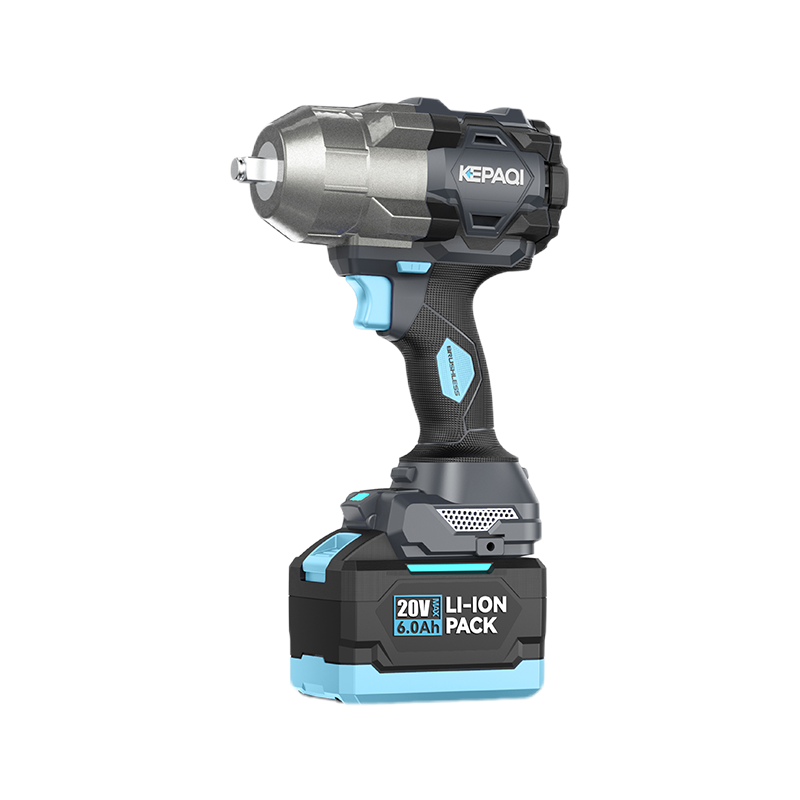 GREAT KPQ20V-1000N.m Brushless Impact WrenchThis 20V brushless impact wrench delivers 1200 N.m and uses 6.0Ah or 8.0Ah batteries, making it suited to heavy-duty automotive and industrial fastening.View Product →
Battery Platform and Real-World Runtime
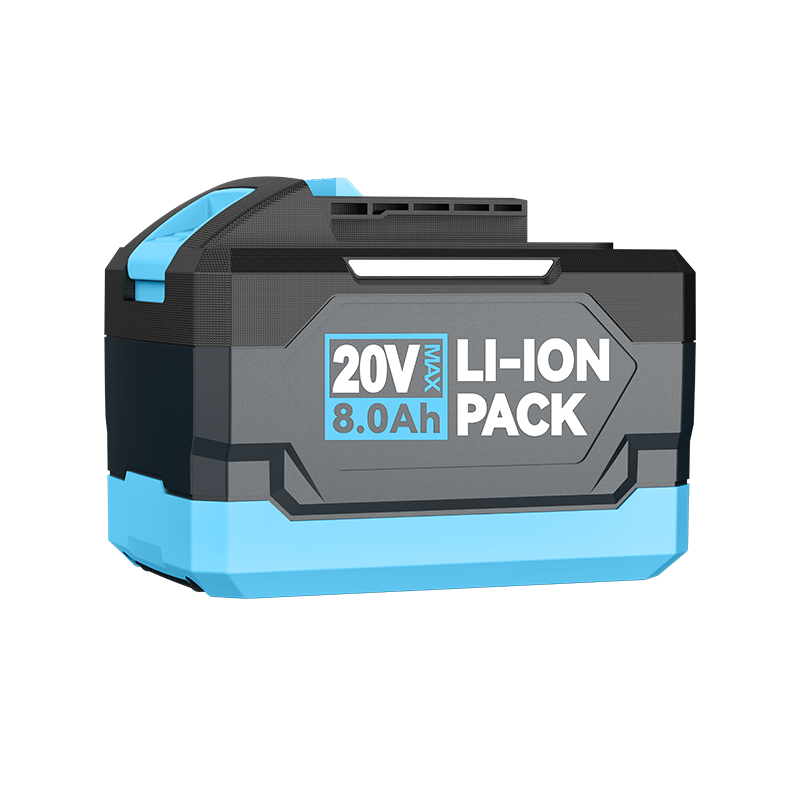
Battery voltage and capacity determine how many fasteners you can remove per charge. Common platforms include 16V, 20V, and 21V. The voltage label is less important than the actual energy in watt-hours (Wh). A 20V 4.0Ah battery stores 80Wh. A 20V 8.0Ah battery stores 160Wh, roughly doubling runtime. For light tire rotation, a 2.0Ah battery may remove 20 to 30 lug nuts. For heavy truck work, a 6.0Ah or 8.0Ah battery is necessary to avoid interruptions.
Battery age also matters. Lithium-ion cells lose capacity after 300 to 500 full charge cycles. If your existing batteries are three years old, a new high-torque wrench may not perform as expected because the battery cannot deliver the required current. Always test a new tool with a fresh, high-capacity battery. Also consider charger speed. A fast charger that refills a 4.0Ah pack in 30 minutes improves productivity more than a slightly higher torque rating. When selecting a cordless impact wrench, confirm that the battery platform matches your existing tools or that the supplier offers a complete kit with at least two batteries and a fast charger.
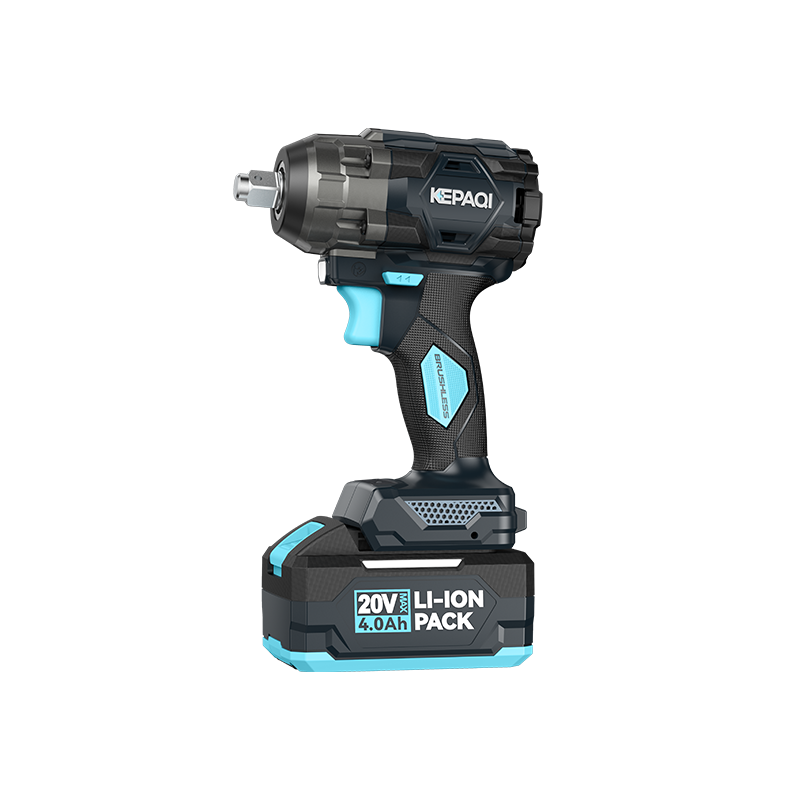 GREAT KPQ20V-600N.m Three-Gear Brushless Impact WrenchThis 1.15 kg 20V brushless wrench offers three torque gears up to 600 N.m, reducing fatigue in tight spaces and adapting to varied fastening jobs.View Product →
Size, Weight, and Ergonomics: The Hidden Deal Breakers
A cordless impact wrench that weighs 3.5 kg with battery can cause fatigue after 20 minutes of overhead work. Compact models in the 1.5 kg to 2.2 kg range are easier to control and fit into tight wheel wells. However, compact bodies often sacrifice motor size and heat dissipation. For continuous industrial use, a mid-size tool with a rubber overmold and a balanced center of gravity reduces wrist strain. Look for a variable-speed trigger that allows slow starts for aligning nuts, and a three-gear adjustment if you switch between soft and hard joints.
Drive size also affects ergonomics. A 1/2-inch anvil is the most common for automotive work. A 3/4-inch anvil delivers higher torque but requires larger sockets and adds weight. Some 1000N·m wrenches use a 1/2-inch anvil with a reinforced mechanism, which keeps the tool lighter but may wear faster under extreme use. Check the anvil retention method: a detent pin or a friction ring. Detent pins are more secure for heavy vibration, while friction rings allow faster socket changes. For repetitive assembly, a friction ring with a quick-change adapter is often preferred.
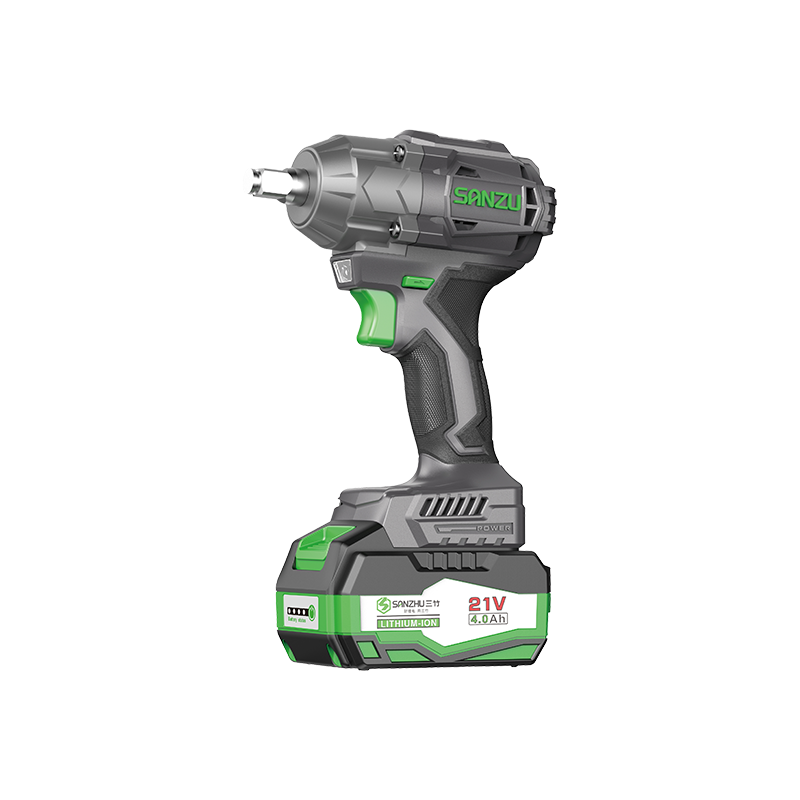 SANZU SZ-650 21V Brushless Impact WrenchThis 21V brushless impact wrench has a 1/2-inch drive, 650 N.m max torque, and three speed stages for flexible high-torque or controlled fastening.View Product →
Which Cordless Impact Wrench Is Best for Your Specific Job?
There is no single best model for every user. The correct choice depends on the fastener sizes, working position, and daily cycle count. The following cards summarize four common scenarios with recommended torque ranges and practical considerations.
Automotive Repair
Passenger car lug nuts, brake calipers, and suspension bolts typically require 300N·m to 600N·m. Choose a compact 1/2-inch brushless model with a 4.0Ah battery. A three-gear adjustment helps avoid over-tightening small bolts. Runtime should cover at least 40 wheel nuts per charge.
Heavy Truck and Fleet
Commercial truck lug nuts and rusted chassis bolts demand 800N·m to 1000N·m. Use a 3/4-inch anvil or a reinforced 1/2-inch model. A high-capacity 6.0Ah or 8.0Ah battery is mandatory. Breakaway torque must exceed 1200N·m for corroded fasteners.
Industrial Assembly
Consistent torque and low noise are critical. Brushless motors with electronic torque control reduce variation between fasteners. A 350N·m to 600N·m tool with a friction ring anvil speeds up socket changes. Runtime should support a full shift with two batteries.
Agricultural and Off-Road
Equipment exposed to mud and vibration requires sealed electronics and a durable housing. A 600N·m to 1000N·m wrench with an IP54-rated battery and a detent pin anvil prevents accidental socket loss. High torque is needed for implement bolts and wheel hubs.
Frequently Asked Questions
Can a cordless impact wrench remove rusted lug nuts?
Yes, if the breakaway torque exceeds the actual resistance of the nut. For moderately rusted passenger car lug nuts, a 600N·m wrench usually works. For heavily rusted truck nuts, you need 1000N·m or more. Applying penetrating oil and waiting 10 minutes can reduce required torque by 20 to 30 percent. Impact wrenches deliver short bursts of torque, so they remove rusted fasteners more effectively than steady-force tools.
What torque do I need for car wheel nuts?
Most passenger cars specify 110N·m to 150N·m of tightening torque. However, removal torque after corrosion can be 300N·m to 500N·m. A 350N·m wrench is sufficient for light duty, but a 600N·m wrench provides a safer margin for older vehicles and winter conditions. Always use a torque wrench for final tightening to avoid over-stretching the studs.
For daily professional use, yes. Brushless motors last two to three times longer than brushed motors, use 15 to 25 percent less battery energy, and require no brush maintenance. For occasional home use, a brushed model may be adequate. The break-even point is usually around 150 to 200 hours of operation. If you use the wrench weekly, brushless is the better investment.
How long does a 4.0Ah battery last on an impact wrench?
Runtime depends on torque demand and joint hardness. Removing 20 to 30 passenger car lug nuts may consume 30 to 50 percent of a 4.0Ah battery. Tightening smaller bolts uses less energy. In heavy truck work, a 4.0Ah battery may only remove 8 to 12 lug nuts before needing a charge. For continuous work, carry two 6.0Ah or 8.0Ah batteries and a fast charger.
Can I use an impact wrench for engine repair?
Only for removing fasteners, not for final assembly. Engine bolts often have precise torque specifications and require a calibrated torque wrench. An impact wrench can shear small bolts or damage aluminum threads if used carelessly. Use a low-torque setting or a compact 1/4-inch impact driver for small engine fasteners. For cylinder head bolts and main bearing caps, always follow the manufacturer’s torque sequence with a manual torque wrench.

 English
 русский
 Español