In automotive repair, mechanical assembly, and construction, efficient threaded fastening tools are the key to improving productivity. With the rapid development of brushless motor technology and the lithium-battery supply chain, the variety of fastening tools on the market is increasing. Faced with these tools, many professional technicians and DIY enthusiasts often wonder: Should they choose an electric impact wrench or a cordless impact driver? What is the fundamental difference between an electric ratchet wrench and an impact tool?
A deep understanding of the powertrain principles, torque characteristics, and application scenarios of these professional tools can help you select the exact tool you need, significantly improving operational efficiency and extending tool service life.
Impact Mechanical Structure and Continuous Torque: The Power Advantage of the electric impact wrench
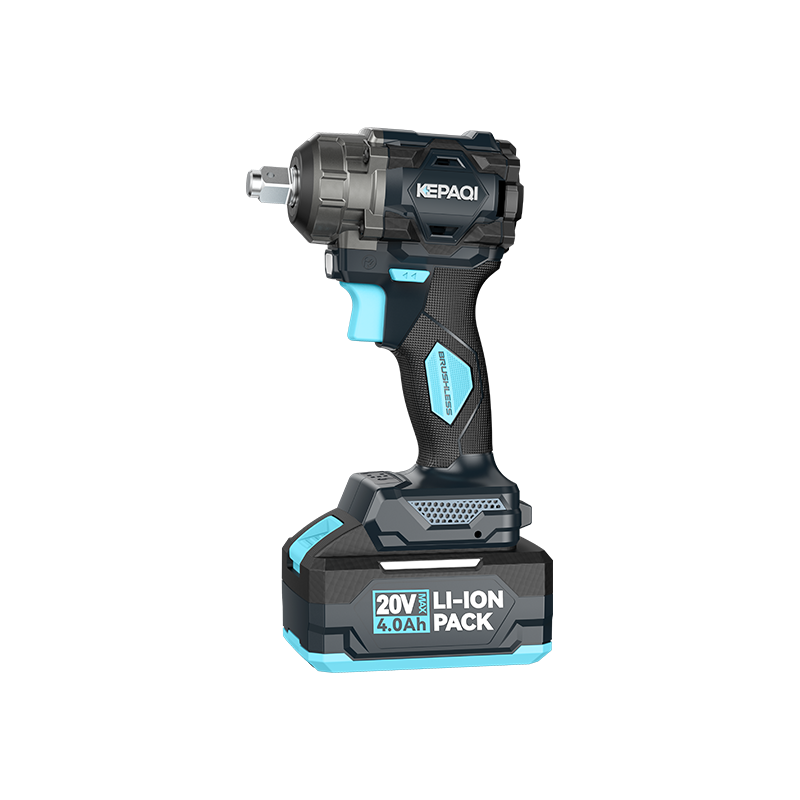
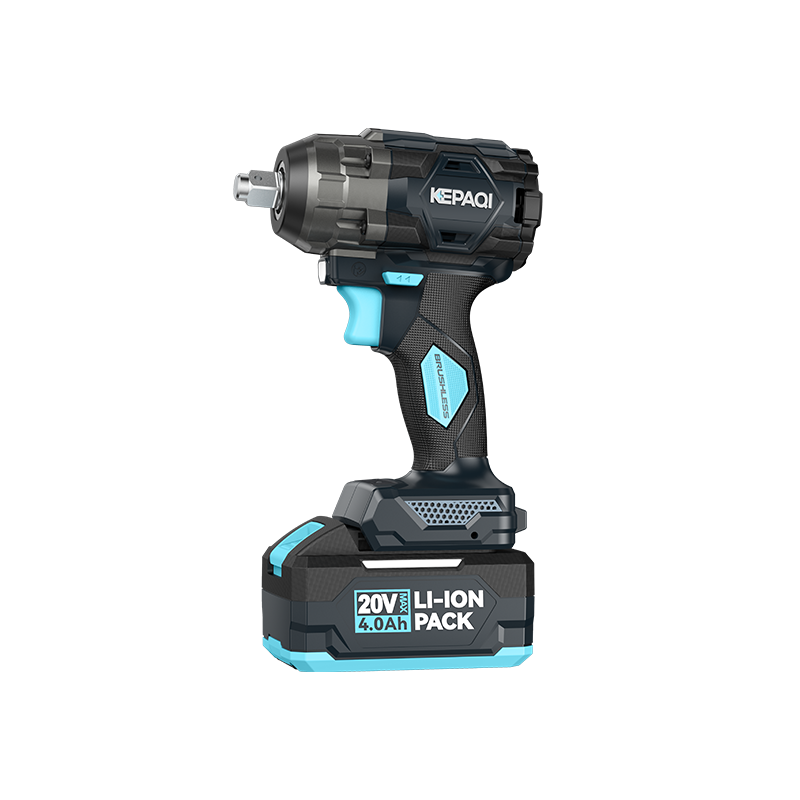
When facing high-strength fastening or heavily rusted nuts, an electric impact wrench is an indispensable heavy-duty tool. Unlike the continuous rotational force of a standard drill, the interior of an electric wrench utilizes a "hammer and anvil" mechanical structure. When the motor rotates and encounters resistance, an internal metal hammer compresses a spring and instantly releases, delivering a powerful axial or tangential blow to the output shaft (the anvil).
This high-frequency instantaneous impact (typically thousands of Impacts Per Minute, or IPM) generates extremely high peak torque. This is precisely why an impact wrench for lug nuts performs so exceptionally well in automotive tire removal. The wheel bolts of large buses, trucks, and domestic cars can become tightly bound due to thermal expansion, contraction, and rust during long-term driving. Standard tools can easily strip the threads or fail due to insufficient torque, whereas a battery impact wrench can easily loosen the lug nuts within seconds using its instantaneous high torque.
Precision Control and High Rotational Speed: The Lightweight Positioning of the cordless impact driver
In comparison, many people easily confuse an electric impact wrench with a cordless impact driver. Although both utilize an impact mechanism, their output drives and torque levels are fundamentally different:
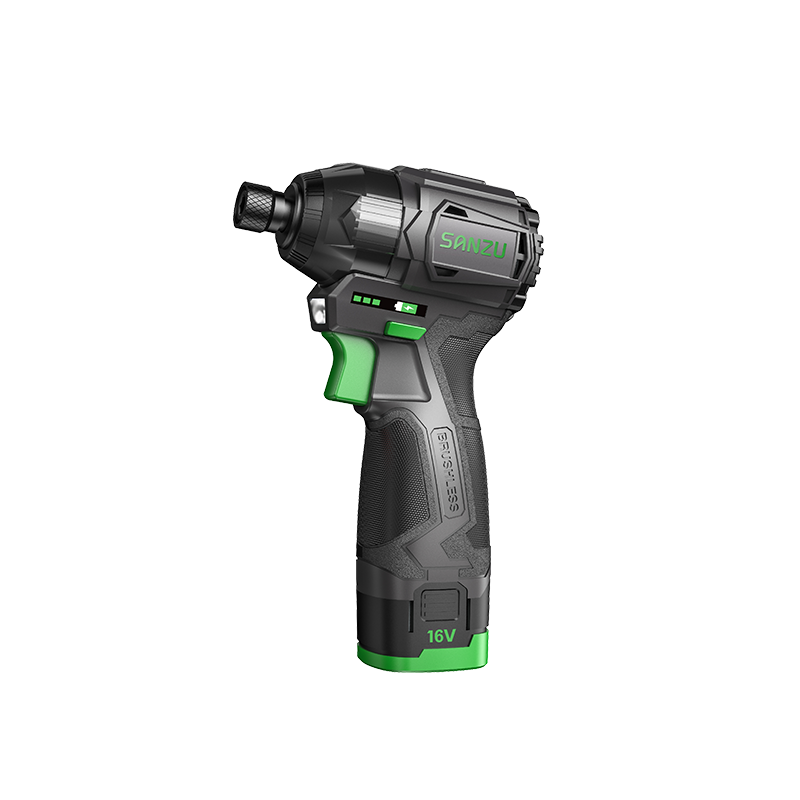
- Output Interface: An electric impact wrench typically features a 1/2-inch, 3/8-inch, or 3/4-inch square drive designed to directly accept heavy-duty sockets. Conversely, a cordless impact driver utilizes a 1/4-inch hex quick-change collet, primarily used with driver bits to drive various screws.
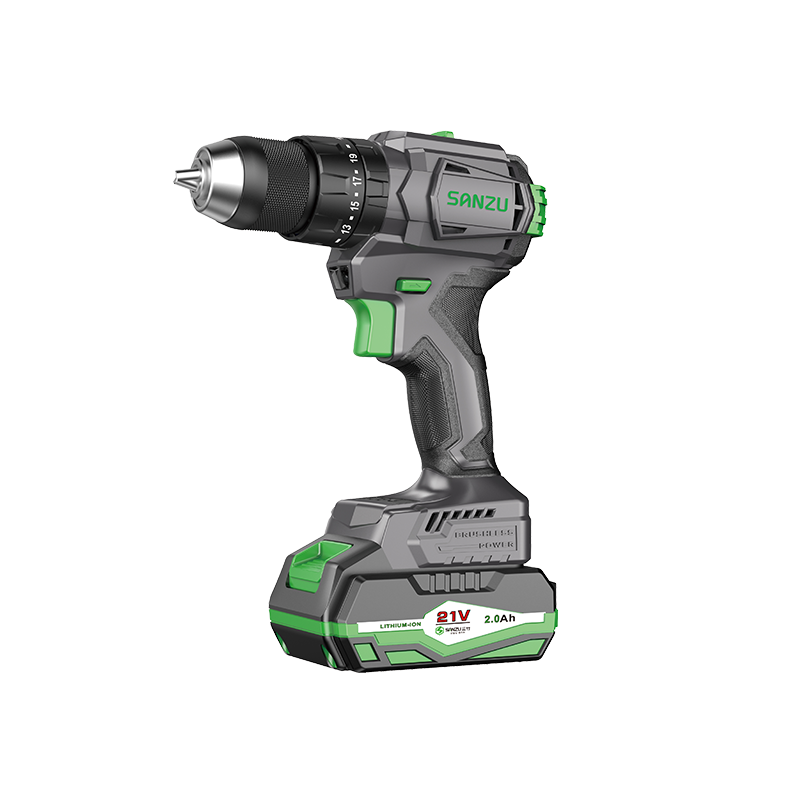
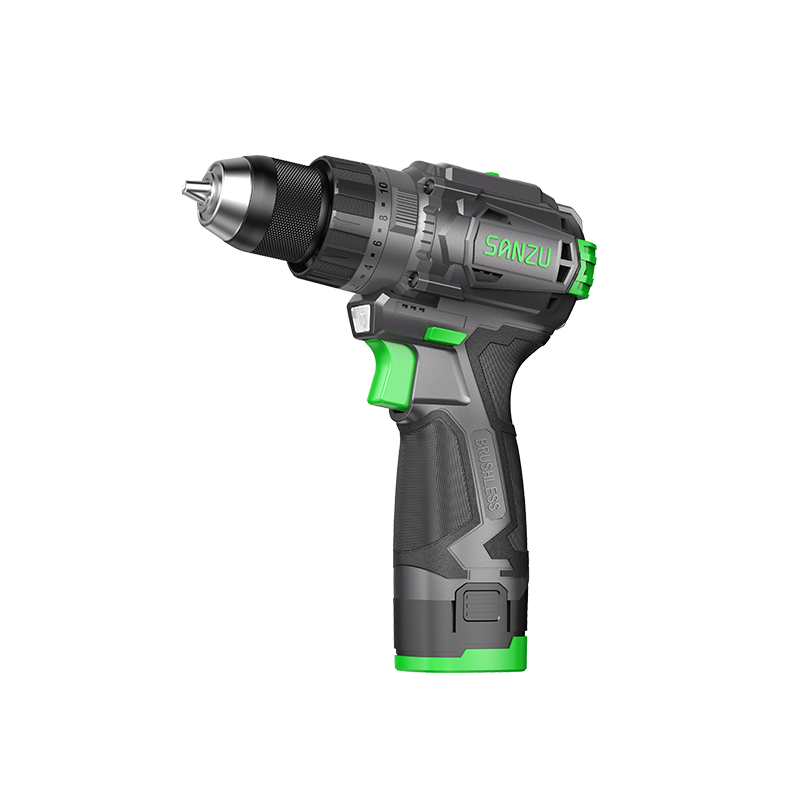
- Torque and Speed Characteristics: A cordless impact driver possesses higher rotational speeds (RPM), but its maximum torque is far lower than that of an electric impact wrench. It is better suited for timber construction, drywall installation, and driving long screws during routine mechanical assembly, preventing the sharp drop in speed that traditional drills experience when torque is insufficient.
Positive Solutions for Confined Spaces: The Application of the cordless ratchet wrench
Deep within automotive engine bays, undercarriages, or inside equipment piping, space is extremely tight. Both the bulky battery impact wrench and the high-speed cordless impact driver fail to fit because their bodies are too long along the rotational axis. In these situations, an electric ratchet wrench or a cordless ratchet wrench becomes the only viable solution.
A cordless ratchet wrench mimics the design of a traditional manual ratchet wrench. Its motor is located at the back of the handle and drives the front ratchet head through a right-angle transmission mechanism.
Its core advantage lies not in extremely high torque, but in spatial adaptability and static locking capability. In practical operations, technicians can use the power drive of the electric ratchet wrench to quickly run a bolt in. Once the bolt bottoms out, they can use the mechanical ratchet structure to manually apply extra leverage for final tightening. This "electric-manual integrated" operation mode greatly improves efficiency in modern automotive repair shops.
Core Parameter and Technical Comparison
To help technicians make precise selection based on workload, the core parameter ranges for different tool technologies are outlined below. When sourcing tools, you should match them to the specific bolt specifications and working space:
| Tool Type |
Common Output Interface |
Typical Torque Range (Nm) |
Typical No-Load Speed (RPM) |
Primary Core Application Scenarios |
| electric impact wrench / battery impact wrench |
1/2", 3/4", 1" Square Drive |
300 - 1600+ |
1500 - 2400 |
Steel structures, engineering machinery, impact wrench for lug nuts (heavy-duty tire removal) |
| electric wrench (Conventional Non-Impact) |
3/8", 1/2" Square Drive |
50 - 200 |
0 - 1000 |
Pipe installation, torque-controlled assembly lines, medium-to-small structural fastening |
| cordless impact driver |
1/4" Hex Collet |
150 - 220 |
0 - 3600 |
Wood screw driving, self-tapping screw fastening, lightweight assembly |
| cordless ratchet wrench / electric ratchet wrench |
1/4", 3/8" Square Drive |
40 - 90 |
0 - 450 |
Engine bay maintenance, confined space component assembly, rapid long-bolt rundown |
Lithium Battery Technology and Brushless Motors Drive Performance Upgrades
With updates in battery technology, high-rate lithium battery packs have completely solved the runtime and power degradation issues that used to plague a battery impact wrench or a cordless ratchet wrench. Modern high-voltage battery platforms deliver a stable current output to the motor, allowing cordless tools to produce instantaneous torque that fully rivals traditional pneumatic or corded AC tools.
At the same time, the popularization of brushless motors in the electric wrench tool series eliminates the energy loss and heat generation associated with carbon brush wear. Electronic control modules can adjust torque and speed in real time based on working conditions. For example, during nut removal, when sensors detect that the lug nuts have broken loose, the system automatically reduces speed or stops rotation (the auto-stop function), effectively preventing nuts from flying off or damaging the threads.

 English
 русский
 Español