2026-05-04
In the professional construction and industrial maintenance sectors, the selection of high-performance tools is a fundamental factor in determining the success of a project. Understanding the mechanical nuances between a power drill, a hammer drill, and an impact driver is essential for achieving precise results. Furthermore, the integration of brushless drill technology into a cordless drill set has revolutionized how professionals approach heavy-duty tasks in environments without immediate access to power grids.
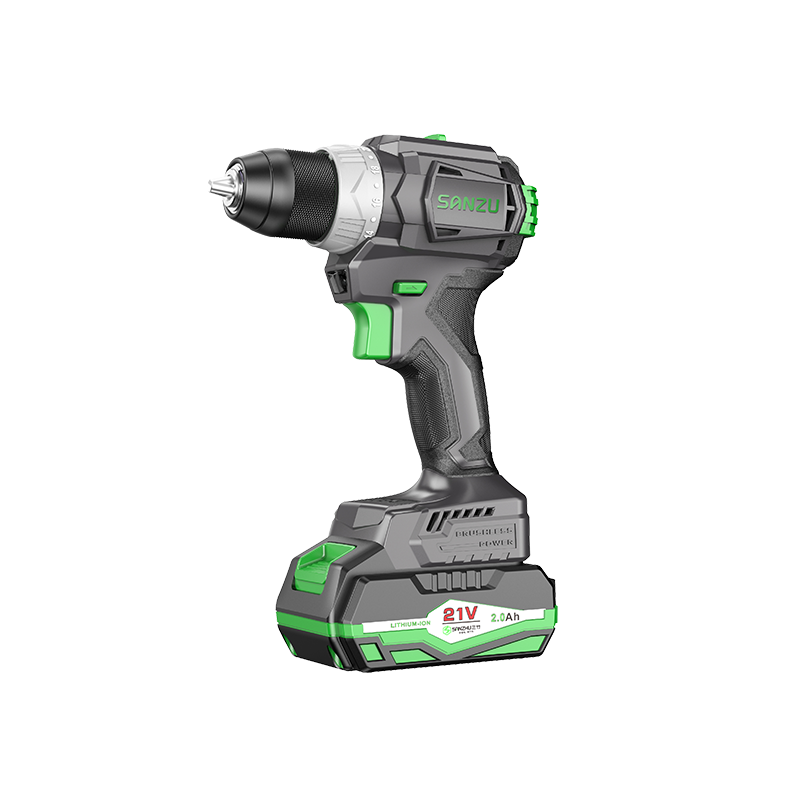
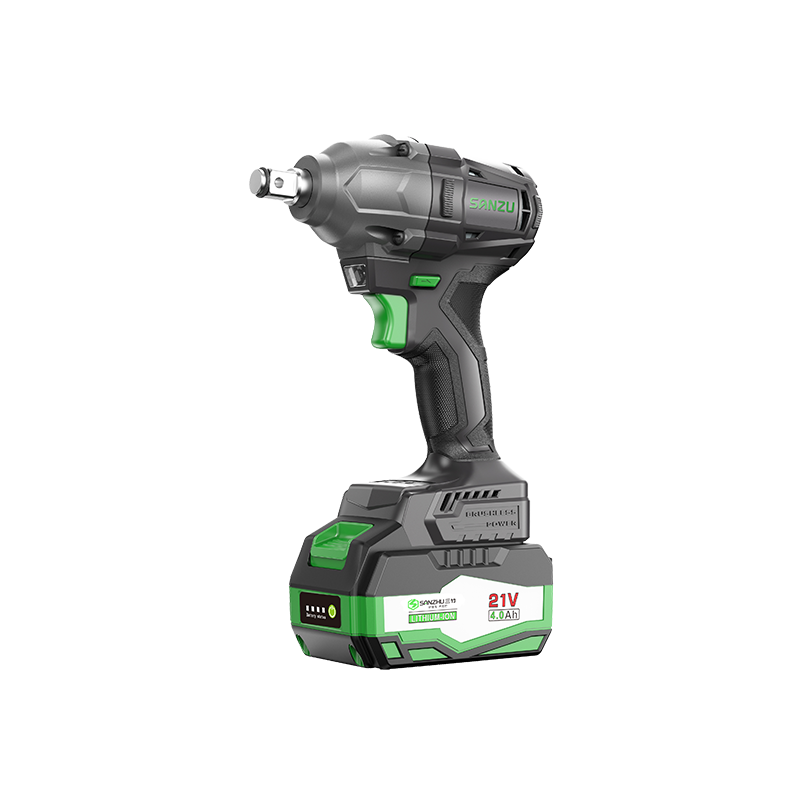
The transition from brushed to brushless drill systems represents a significant leap in motor efficiency. Traditional motors rely on carbon brushes to deliver current, which generates friction and heat. In contrast, a brushless drill utilizes an electronic controller to manage power delivery. This design not only extends the motor life but also optimizes the runtime of a cordless drill set. Because the electronic board can sense the resistance of the material, it adjusts the torque in real-time, providing more power when needed and conserving energy during lighter tasks.
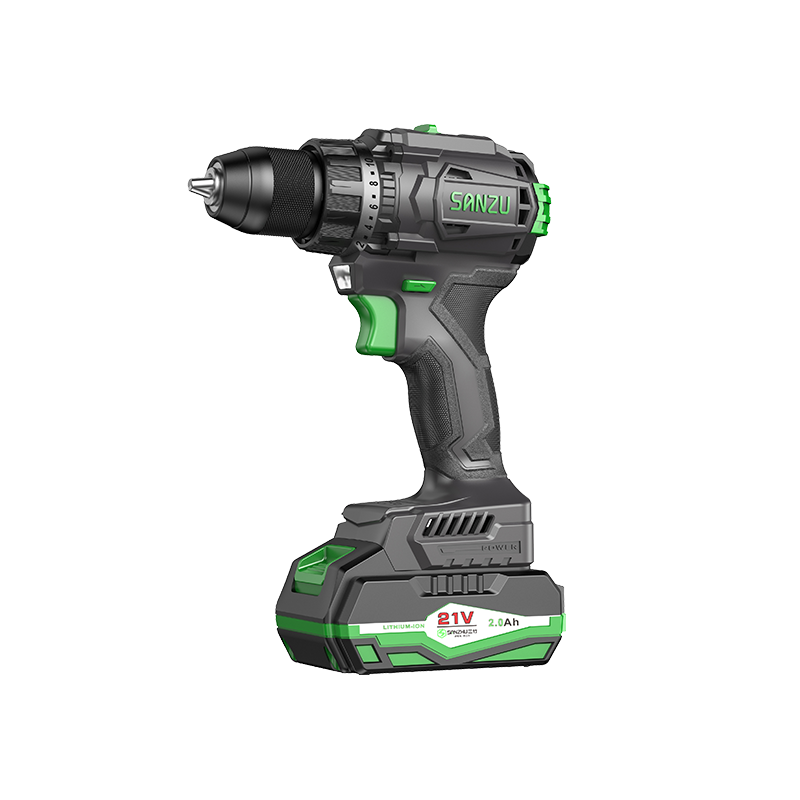
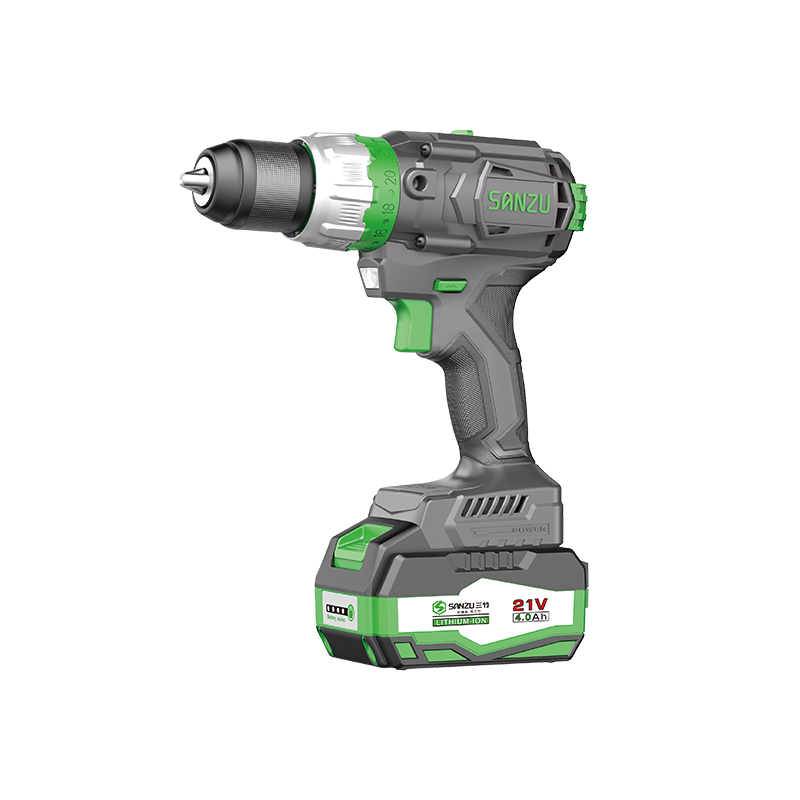
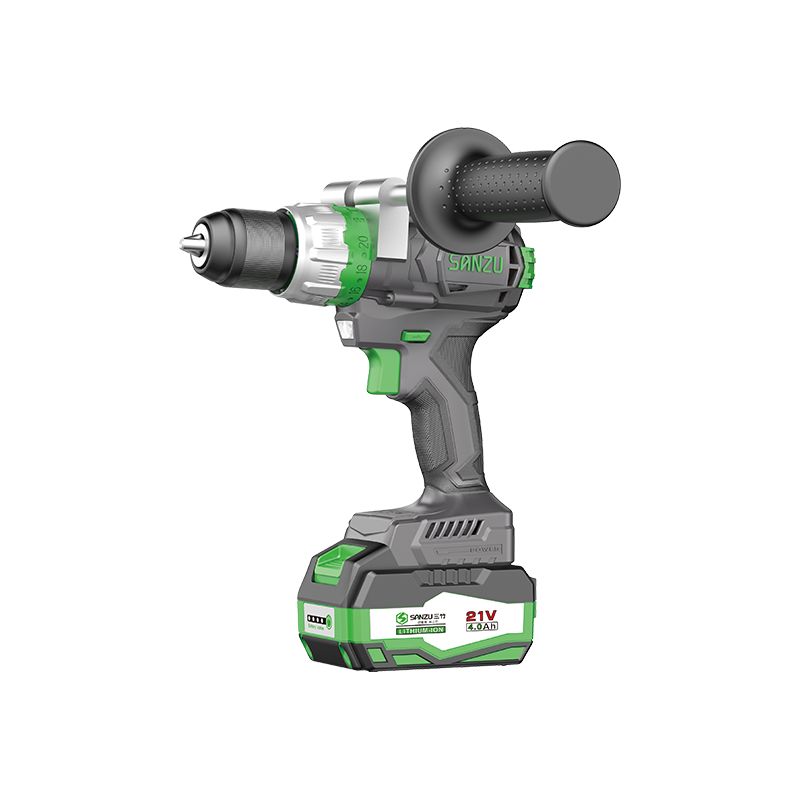
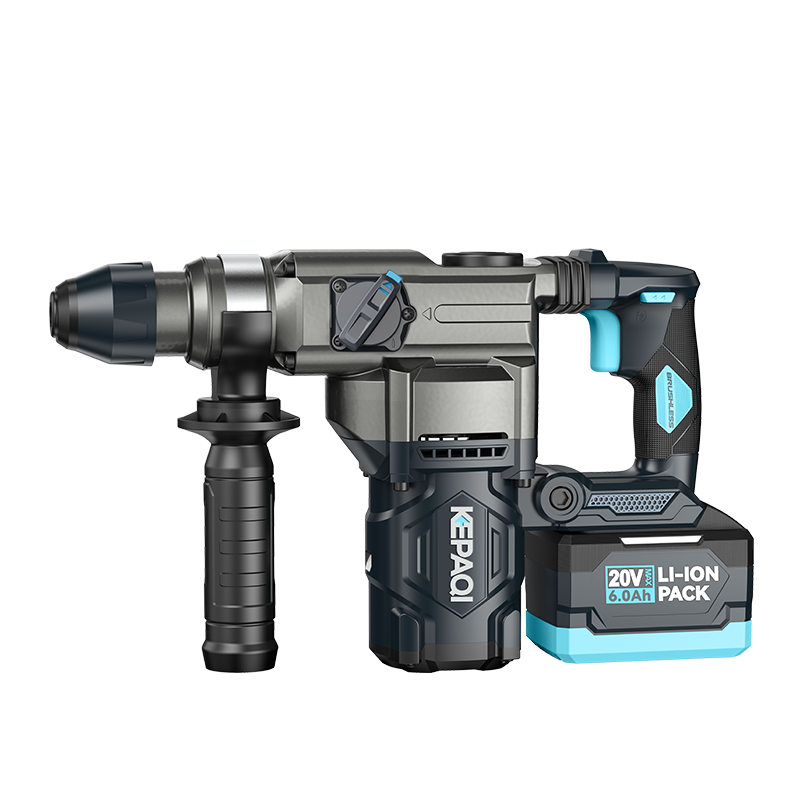
The power drill remains the most versatile tool for rotary-only applications, such as boring holes in timber or driving small fasteners into metal. Its constant rotation is ideal for clean, splinter-free finishes. However, masonry work demands a different mechanical approach. A hammer drill incorporates a specialized "hammering" mechanism that delivers rapid pulses along the axis of the bit. This combination of rotation and percussion allows the hammer drill to pulverize concrete and stone efficiently. For maximum portability on site, a cordless hammer drill provides the necessary impact energy without the constraints of a cord, making it the preferred choice for installing anchors in vertical surfaces or overhead structures.
While often confused with standard drills, an impact driver is engineered specifically for high-torque fastening. Unlike the hammer drill which strikes forward, the impact driver applies rotational strikes when it encounters high resistance. This mechanism prevents the bit from stripping the screw head and allows for the driving of large lag bolts or long structural screws with minimal effort. Professional contractors frequently utilize an impact driver alongside a brushless drill to separate the tasks of pilot hole creation and final fastening, thereby increasing overall workflow speed.
| Tool Category | Power Drill | Hammer Drill | Impact Driver |
| Primary Motion | Pure Rotation | Rotation + Axial Percussion | Rotation + Rotational Impact |
| Ideal Application | Wood, Metal, Plastic | Concrete, Brick, Stone | Heavy Fastening, Lag Bolts |
| Chuck Type | 3-Jaw Keyless | 3-Jaw or SDS-Plus | 1/4-inch Hex Quick Release |
| Torque Profile | Adjustable / Constant | Adjustable / High Percussion | Fixed / High Rotational Burst |
| Key Identification | power drill | hammer drill | impact driver |
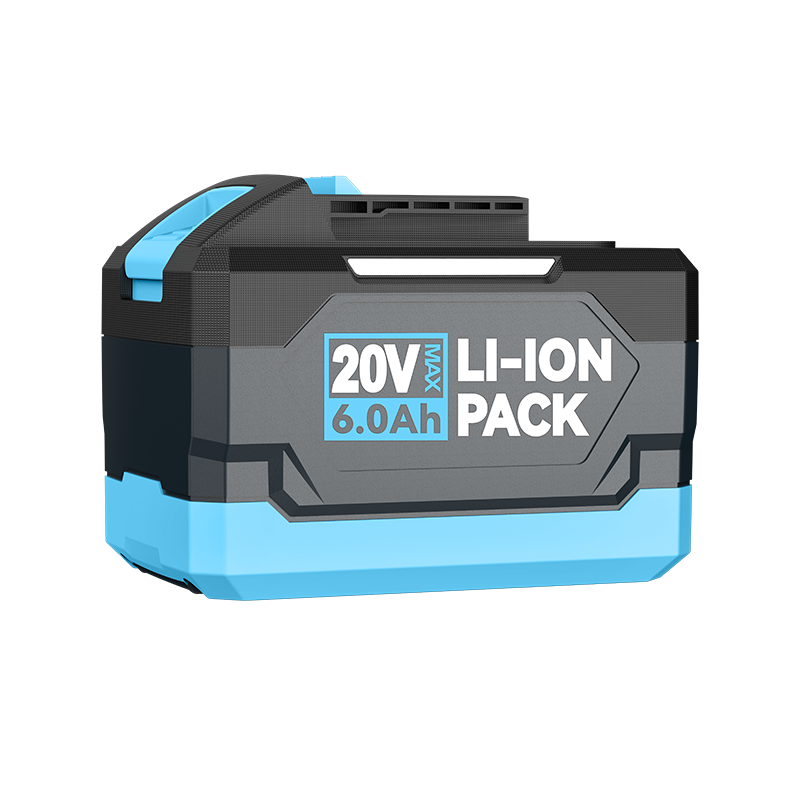
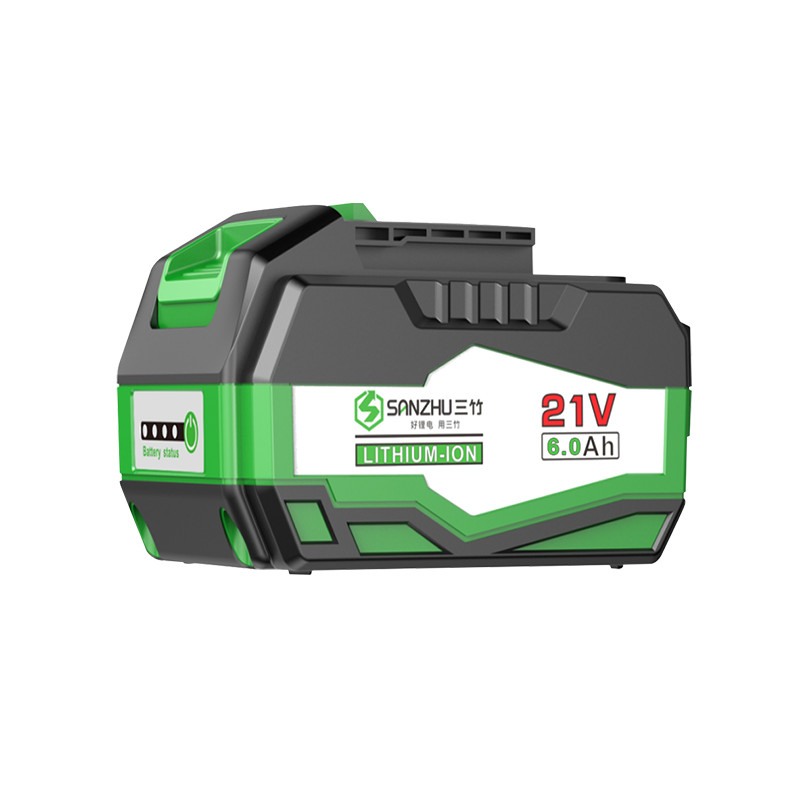
A comprehensive cordless drill set should be tailored to the specific demands of the job site. A standard high-tier kit usually features a brushless drill for precision work and a dedicated impact driver for assembly. For masonry-heavy projects, the inclusion of a cordless hammer drill ensures that the team can handle structural boring without switching to bulky corded equipment. The synchronization of battery platforms within a cordless drill set allows for seamless transitions between tools, reducing downtime and maintaining a high level of operational efficiency across all phases of construction.
By selecting the correct brushless drill or cordless hammer drill for the specific material density, operators can ensure tool longevity and safety. The evolution from the basic power drill to highly specialized systems like the impact driver ensures that modern industrial tasks are met with the necessary force and accuracy required by today's engineering standards.
Contact Info
+86-13801463308
+86-13862872268
Nantong,Jiangsu,China

 English
 русский
 Español