2026-08-17
Your cordless impact wrench loosened every lug nut on the car, so it feels natural to wonder whether it can handle a few pilot holes in that pine board. Can I use my impact wrench as a drill? Yes, with an adapter, you can drill small holes in soft wood and drywall, but the results will be rougher and the process riskier than with a dedicated drill. For concrete, steel, or any hole larger than about 10 mm, the honest answer is no. This guide explains the mechanical reasons behind that answer, the materials that actually work, the adapter you need, and the safety limits you should respect.
Every tool is designed around a primary job, and the impact wrench's primary job is fastening. It produces short, powerful bursts of rotational torque to break loose stubborn nuts or seat them firmly. A typical cordless model, such as a 600 N·m three-gear brushless impact wrench, delivers its force through a square drive head intended for sockets. The hammer mechanism inside strikes the output shaft in rapid rotational pulses. That design is excellent for breaking the static friction of a rusted lug nut, but it is nearly irrelevant for cutting holes. Because drilling needs steady, uninterrupted rotation, the pulsing output produces chattering holes, wandering bits, and premature wear.
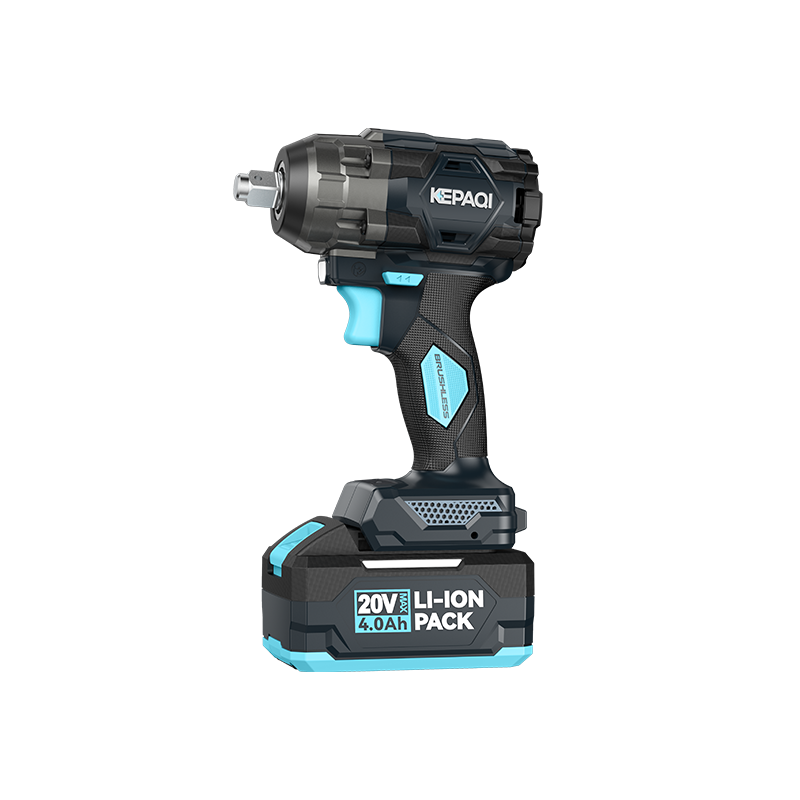 Custom 20V Strong Torque Three-gear Adjustment Brushless Impact Wrench SuppliersNantong Great Tools Co., Ltd. is China 20V Strong Torque Three-gear Adjustment Brushless Impact Wrench Suppliers and OEM 20V Strong Torqu...View Product →
A drill is built for the opposite task. Continuous rotation lets a cutting bit shear material steadily and smoothly. Drills also run at higher free speeds, typically 0 to 3,000 RPM or more, while most impact wrenches top out around 2,000 RPM. A drill holds bits in a three-jaw chuck, while an impact wrench uses a square drive made for sockets. Those differences affect everything from hole roundness to bit lifespan. Torque without sustained speed is the wrong profile for drilling; you want moderate torque at a high, constant speed, which is exactly what a drill provides.
A widespread misunderstanding hides in the word "impact." An impact wrench delivers rotational impact, meaning the blows twist the output shaft. A hammer drill delivers axial impact, pushing the bit forward along its axis. Only axial impact helps break up concrete or masonry. Rotational impact does nothing for drilling into concrete and actively damages drill bits over time.
If you are deciding between cordless fastening tools, read our guide, cordless impact wrench vs. impact driver: which tool is right for you? It explains how these tools differ in daily use and helps you separate fastening tools from drilling tools.
You can physically attach a drill bit through an adapter. The most common solution is a 1/4-inch hex to 1/2-inch or 3/8-inch chuck adapter. One end plugs into the impact wrench's square drive, and the other end holds the bit with a three-jaw chuck or a hex quick-change collet.
Adapter quality matters more than most people expect. A cheap adapter with loose tolerances wobbles under load, which produces off-center holes, damaged bit edges, and a scratched workpiece surface. Choose an adapter with a locking pin or retaining ring, and wipe the square drive clean before installation so the fit stays tight. If you feel any play once installed, do not use it.
Bit choice matters too. Because the adapter adds length and flexibility, use short bits, roughly 25 to 50 mm of usable length. Long bits magnify wobble and snap more easily. Hex-shank bits lock in more securely than round shanks in quick-change adapters, which is worth considering for this kind of setup.
Most importantly, an impact wrench has no drill clutch. A drill clutch disengages the drive when resistance exceeds a set level, preventing the bit from catching suddenly. Without a clutch, the full reaction torque of a seized bit goes straight into your hands and the tool body. That single difference explains most drilling accidents with this workaround.
Be precise about which materials respond acceptably. The table below reflects realistic results using a high-quality adapter, short bits, and conservative speed control. Treat everything marked "workable" as emergency grade, not workshop grade.
| Material | Feasibility | Practical Notes |
|---|---|---|
| Soft wood (pine, spruce) | Workable | Bits up to 6 mm; expect fuzzy edges and exit splintering. |
| Drywall / plasterboard | Workable | Start slowly to avoid tearing the paper face; a 3 mm pilot bit helps. |
| Hard wood (oak, maple) | Risky | Use bits of 6 mm or smaller; binding and bit snapping are common. |
| Thin aluminum (3 mm or less) | Possible, carefully | Center-punch before drilling; the bit will skate otherwise. |
| Steel / stainless steel | Not recommended | Impact vibration chips cutting edges; sudden jams can twist your wrist. |
| Concrete / masonry | No | Rotational impact cannot chip masonry; only axial hammering works. |
The pattern is simple: the softer and thinner the material, the more tolerable the result. When impact pulses meet hard, rigid materials, the energy has nowhere useful to go, so it returns as vibration, bit chatter, and snapped edges. Even in workable materials, holes come out with ragged edges and a slightly oversized diameter compared to the same bit used in a drill. If you attempt a 12 mm bit in oak with an impact wrench, expect the bit to bind, the workpiece to splinter, and the adapter to loosen. What you cannot expect is a clean, precise bore. The same impact that helps loosen fasteners creates micro-vibrations that translate into wavy hole walls.
Drywall deserves a practical note: start slowly and use a 3 mm pilot bit first, or the paper face will tear. For thin aluminum, center-punch the spot first; otherwise the bit skates across the surface and leaves scratches.
Concrete deserves an explicit warning. The word "impact" leads some users to assume the tool hammers like a rotary hammer. It does not. The hammering is rotational, so it cannot break up masonry. Attempting it will damage the bit, the adapter, and the drive end. Masonry requires an actual hammer drill or rotary hammer.
The risks fall into three categories: bit damage, tool damage, and personal safety.
Drill bits suffer first. A bit is designed for continuous rotation with steady cutting pressure. The impact wrench feeds it an interrupted, pulsing drive. Each pulse bends the bit sideways, chipping and dulling the cutting edges rapidly. In harder materials, the bit can shatter completely, and you will burn through far more bits than you would with a drill.
The tool is not immune either. Drilling forces sustained high load on the hammer case and gearbox, components built for intermittent fastening rather than continuous resistance. The added heat and stress can shorten service life. With no clutch or cutting brake, a sudden jam also leaves the entire gear train to absorb the shock. Counting ruined bits, damaged workpieces, and potential tool repairs, the "free" workaround can cost more than an entry-level drill.
Personal safety is the biggest concern. When a bit catches, the tool body tries to twist in the opposite direction with considerable force, which can sprain your wrist, elbow, or shoulder. A shattered bit can fly toward your face. Thin sheet metal and plywood can tear and deform before the bit releases. The missing clutch turns a routine jam into a genuine injury risk. Grip and control also suffer because the tool is heavier and its handle is positioned for fastening, not precision work.
If you already find yourself drilling on a regular basis, the practical answer is a proper drill. A compact 120 N·m multifunctional brushless drill for DIY tasks offers variable speed, a clutch, and a chuck designed for bits. If you are unsure which type of cordless tool to purchase, our guide, cordless drill vs. impact driver: which tool do you need? It explains which machine actually fits your jobs.
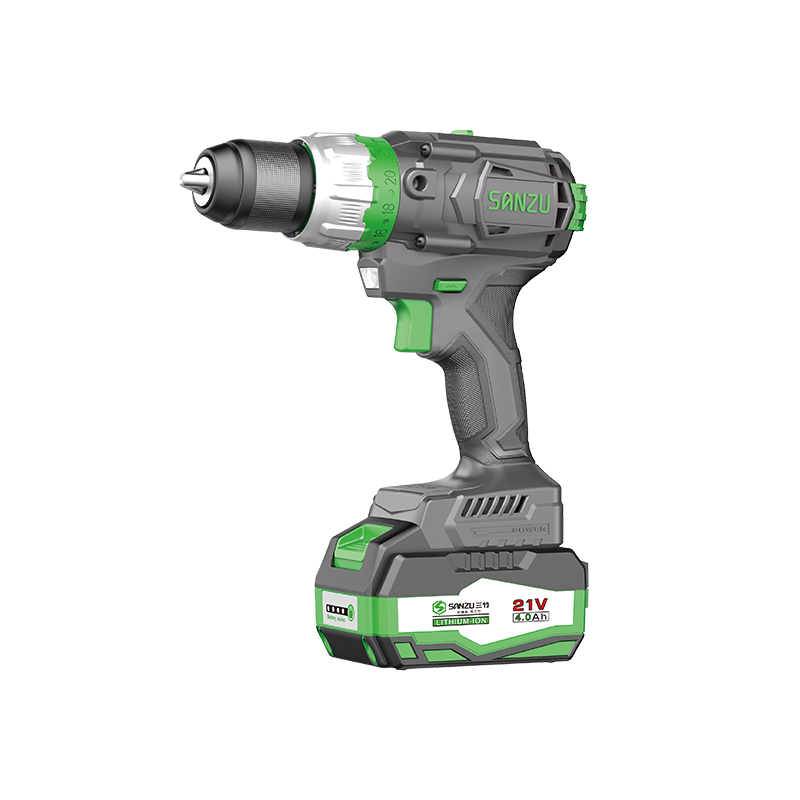 Custom 21V 120N.m Torque Compact Multifunctional Brushless Drills Suppliers, OENantong Great Tools Co., Ltd. is China 21V 120N.m Torque Compact Multifunctional Brushless Drills Suppliers and OEM 21V 120N.m Torque C...View Product →
Here is the decision framework that separates acceptable improvisation from expensive mistakes.
Use the impact wrench for drilling only when:
Do not use it when:
The line between one-time emergency and chronic misuse is easy to recognize. An occasional pilot hole in a spare board is harmless. The third time you reach for the impact wrench to drill, you are no longer improvising; you are compensating for a missing tool. At that point, a real drill is safer, cleaner, and ultimately cheaper. A reliable choice is a dedicated 21V lithium-ion brushless drill, which delivers constant rotation, adjustable speeds, and a clutch for controlled stops.
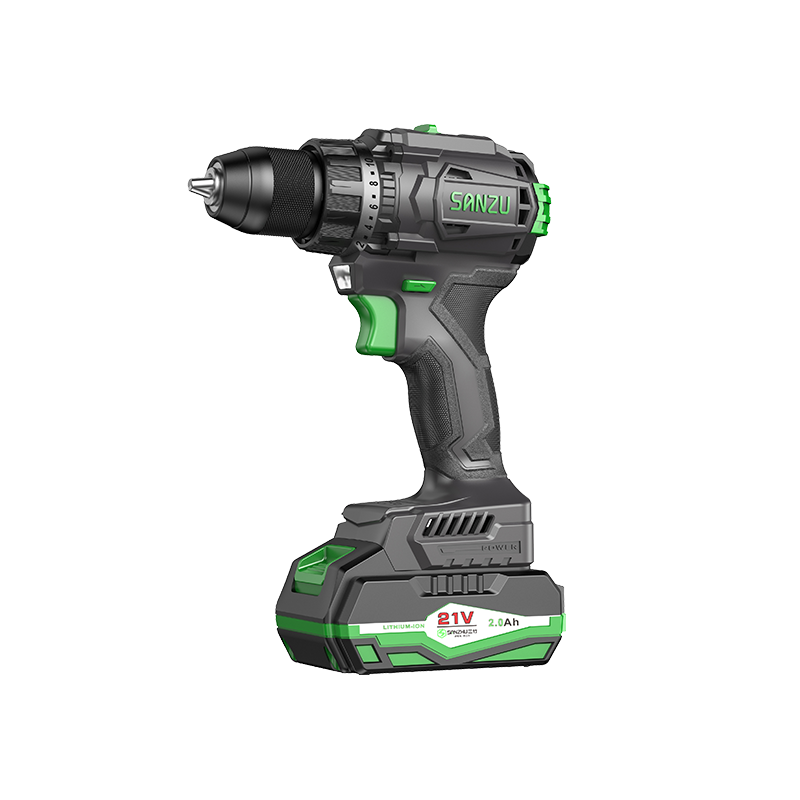 Custom 21V Lithium Battery Electric Wireless Rechargeable Power Brushless DrillsNantong Great Tools Co., Ltd. is China 21V Lithium Battery Electric Wireless Rechargeable Power Brushless Drills Suppliers and OEM 21V Li...View Product →
If you are still deciding whether an impact wrench deserves a place in your kit, check our analysis, are cordless impact wrenches worth it for DIY users? It offers a grounded answer based on real DIY use cases.
An impact wrench is a fastening tool. With the right adapter, it can create a small hole in soft wood or drywall during an emergency, but every element of its design, from rotational impact to the missing clutch, makes it a poor substitute for a drill. Respect the limits: soft materials, small bits, rough edges, and only occasional use. For concrete, hard metals, large diameters, or any hole that must look and fit correctly, choose a proper drill. When that need becomes routine, stop improvising and invest in the right tool. Choose a drill with adjustable torque, and you will not need this workaround again.
Contact Info
+86-13801463308
+86-13862872268
Nantong,Jiangsu,China

 English
 русский
 Español