What Does an Impact Wrench Do (and Why Would You Need an Alternative)?
If you've typed "What can I use instead of an impact wrench?" into a search bar, you're probably standing in front of a stuck bolt with a toolbox that doesn't include one. The direct answer: several tools can take over impact wrench duties, but each has a torque ceiling, tasks it handles well, and failure modes to respect.
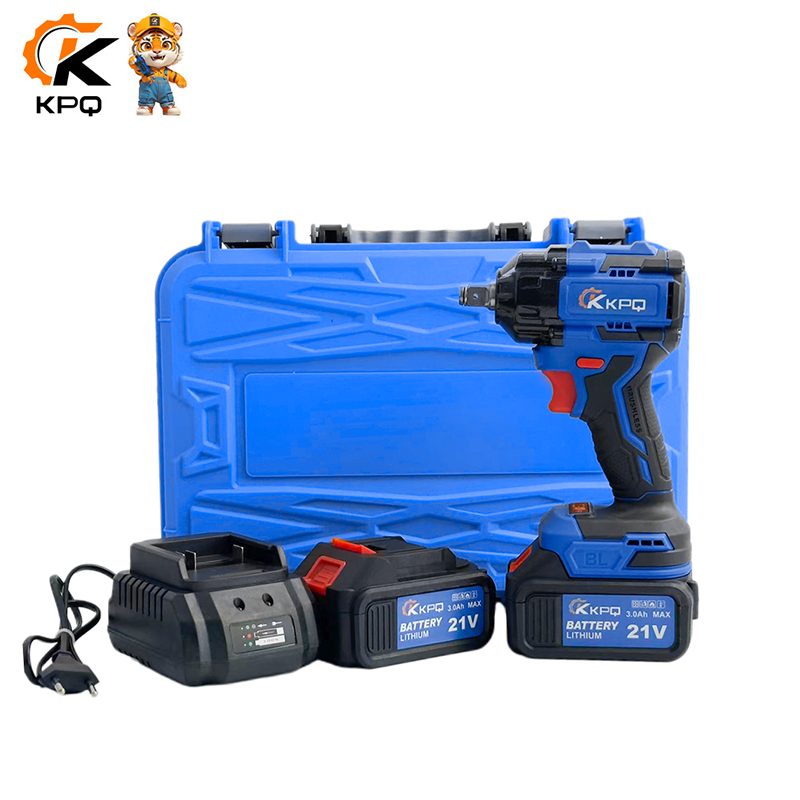
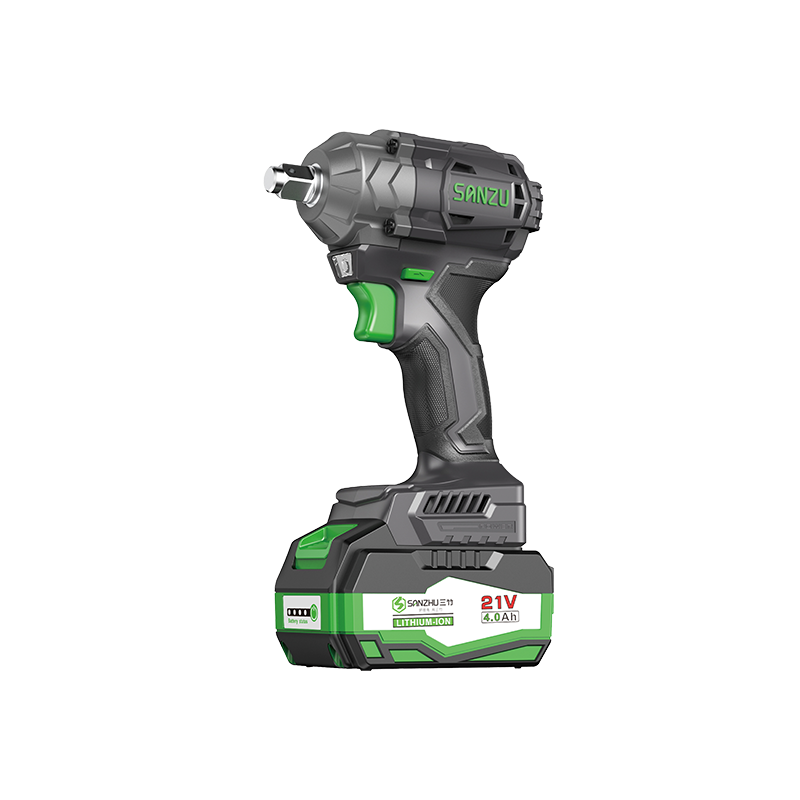
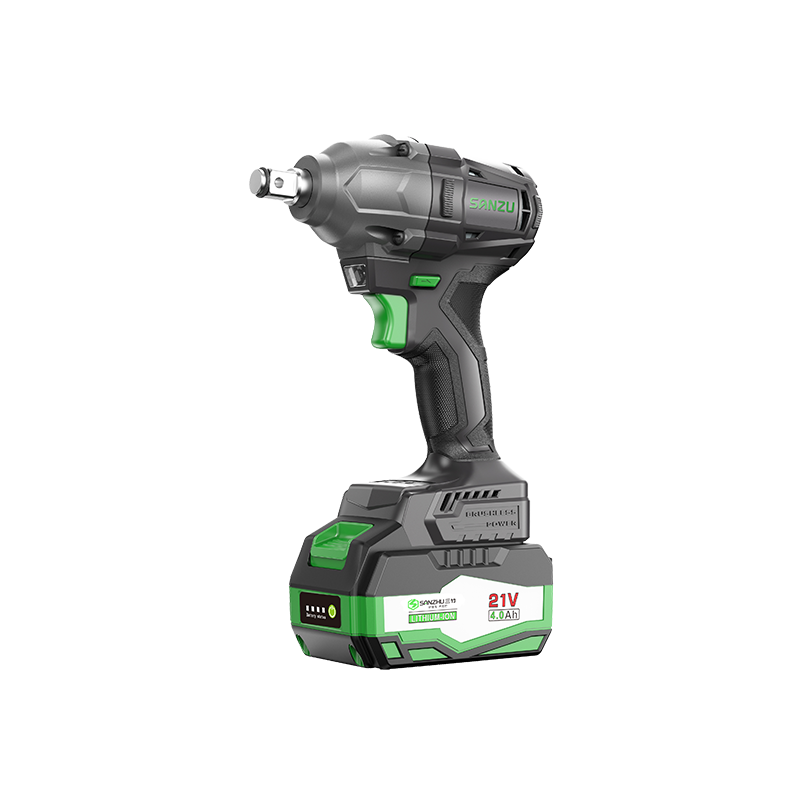
An impact wrench converts motor energy into rapid hammer blows on a rotating anvil. That hammering produces short bursts of high rotational torque — typically 350 to 1,000 N·m (260 to 740 ft-lb) in the cordless models we build — which is why it's the standard tool for lug nuts, suspension arms, and fasteners that have corroded into place.
So why look for an alternative? You don't own one, you're on a budget, or you just want to avoid a bulky tool for occasional use. All legitimate — but the substitute has to match the job.
The 7 Best Impact Wrench Alternatives (Ranked by Practicality)
The seven alternatives below are ranked by practicality for common DIY and automotive work, with realistic torque ranges and limits.
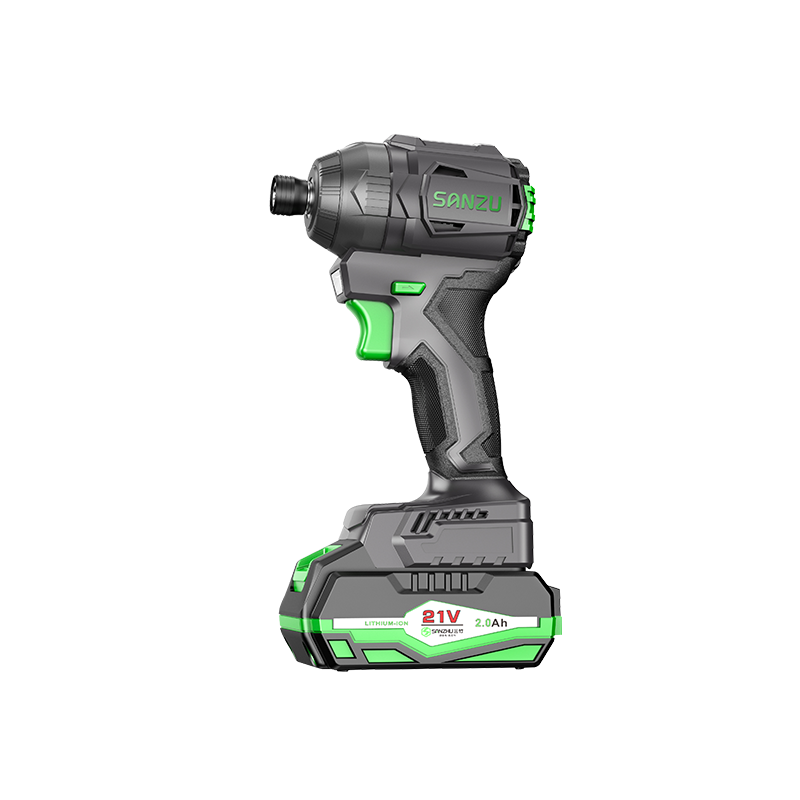
1. Impact Driver (Closest Cordless Match)
The impact driver is the closest cordless substitute. It uses a hexagonal chuck and combines axial hammer blows with rotary force, making it excellent for screws and bolts up to roughly M8 or M10. With a 1/4-inch hex-to-3/8-inch or 1/2-inch socket adapter, it can drive sockets for light wrench work.
A typical impact driver produces 100 to 200 N·m (75 to 150 ft-lb) — one-third to one-fifth of a cordless impact wrench. That's enough for most M6 to M10 bolts and bracket hardware, but not for seized bolts, brake drum retainers, or corroded lug nuts. A Garage Journal user captured the boundary: an M12 impact driver that sank television mount lag bolts without effort couldn't budge a decade-old brake drum bolt. The tool wasn't weak; the fastener demanded more sustained torque.
If you already own an impact driver, this is the cheapest way to test whether you need an impact wrench. For a detailed comparison of the two tools, see our impact wrench vs impact driver guide.
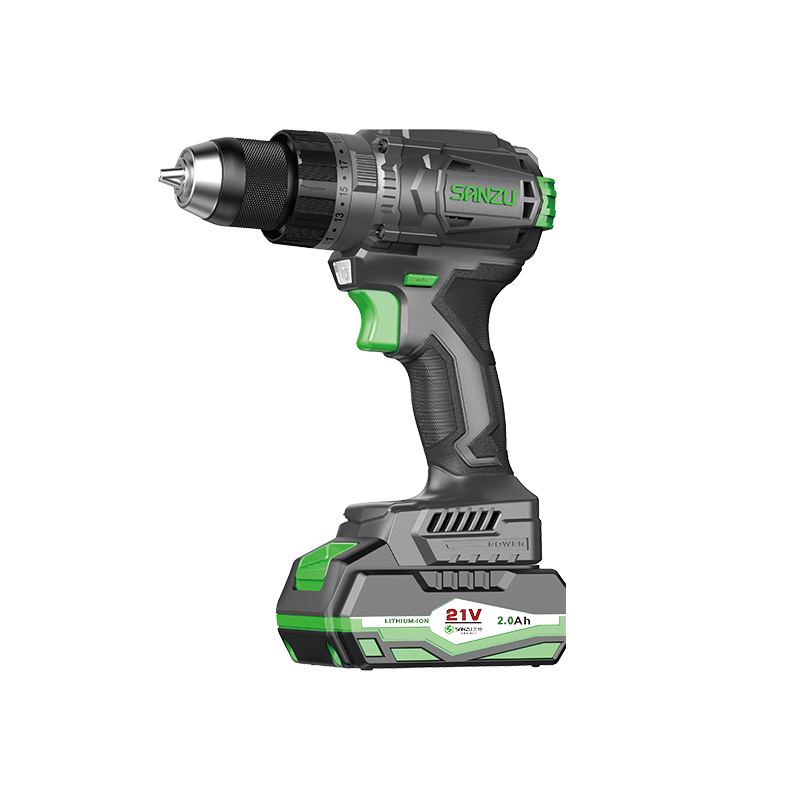
2. Drill/Driver with Socket Adapter
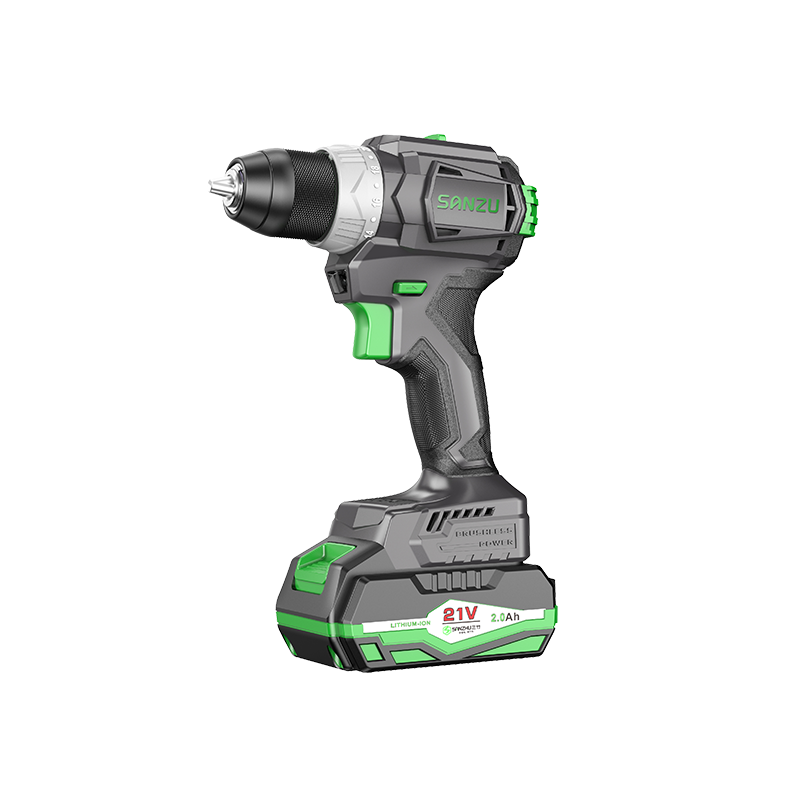
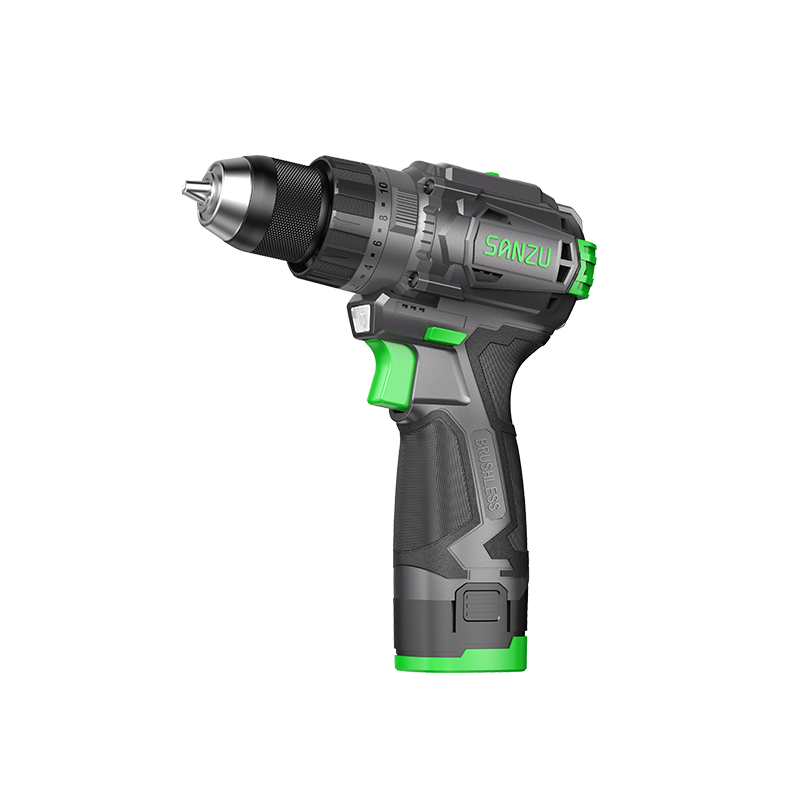
A drill/driver with a socket adapter spins sockets but has no hammer mechanism — only continuous rotation. Fine for furniture assembly and low-torque bolts, nearly useless for corroded fasteners: the clutch trips, the chuck slips, and reaction torque can hurt your wrist.
A typical brushless drill driver delivers 70 to 120 N·m (50 to 90 ft-lb). A wheel lug nut alone needs 135 to 175 N·m (100 to 130 ft-lb) when new, before corrosion. Treat a drill/driver as a one-off emergency solution, not a replacement strategy. Use low gear, press firmly, and expect the tool to stop abruptly when the bolt does.
3. Breaker Bar + Socket (Manual Power)
The breaker bar is the most reliable manual substitute, and most mechanics keep one even after buying an impact wrench. A steel handle typically 60 to 120 cm (24 to 48 in) long with a pivoting socket head uses leverage to multiply your arm strength far beyond any compact power tool. Push with about 50 kg (110 lb) near the end of a 1-meter bar and you're generating roughly 490 N·m (360 ft-lb) at the socket — more than many compact impact wrenches.
Manual work is slower, but the force is continuous and controlled — often exactly what a seized bolt needs. The classic strategy is "crack then run": break the bolt loose with the bar, then spin it out with a power tool. In that same Garage Journal thread, the owner finally freed his brake drum bolt this way, finishing with a long combination wrench after the impact driver failed.
4. Ratcheting Wrench / Long-Handle Wrench
A ratcheting wrench is the zero-cost option most home toolboxes already have. It shines in tight spaces — engine bays, behind calipers, inside suspension pockets — where a breaker bar won't fit. Its output is capped by your arm strength at about 100 to 200 N·m (75 to 150 ft-lb), and leaning on the ratchet with a pipe can damage the mechanism.
A long-handle combination wrench adds leverage with no moving parts to fail. It's slower across multi-bolt jobs but often the fastest answer for a single stubborn fastener in a tight spot. Use a snug six-point box end, not an open end that can slip and round the bolt head.
5. Cordless Ratchet (Power-Assisted Manual)
A cordless ratchet pairs a compact head with a small brushless motor — handy where an impact wrench can't fit and easy on your forearm for repetitive jobs like brackets and trim. But it's not an impact tool. Typical torque runs 30 to 100 N·m (22 to 75 ft-lb), below most impact drivers.
Treat it as a supplement, not a substitute. For normal fasteners in awkward locations, it earns its place quickly. For rusted or over-torqued fasteners, it stalls — and that's your signal to reach for a breaker bar or an impact wrench.
6. Torque Wrench (For Tightening Only)
A torque wrench cannot replace an impact wrench, and it's worth being direct about that. It exists for one purpose: tightening a fastener to a precise value. It has no hammer mechanism, no high-speed rotation, and using it to loosen a stuck bolt can ruin its calibration.
But in the workflow, it's the impact wrench's essential partner. Impact tools can't stop at a precise torque; over-tightening a lug nut can stretch the stud or distort the rotor. Quora discussions indicate that an impact driver cannot replace a torque wrench — hammer bursts aren't a measured final torque. The workflow: impact wrench off, torque wrench on. Finish every safety-critical bolt at spec with a calibrated torque wrench.
7. Pneumatic Impact Wrench (Air-Powered Alternative)
If you want impact performance without battery power, a pneumatic impact wrench is the classic workshop alternative. It runs on compressed air, so you need a compressor, hose, and fittings — an infrastructure investment that also tethers you to the air line. In exchange, pneumatic wrenches deliver sustained high torque in a lighter, more compact package, which is why tire shops and industrial bays still rely on them.
If you already own a suitable compressor, it can be an economical choice. If not, the total air-system cost usually exceeds a cordless impact wrench with batteries. Our lineup focuses on cordless electric tools, so we won't direct you to a pneumatic product — but for completeness, it earns a place on this list for anyone with air supply.
Impact Wrench Alternatives Comparison Table
The table below summarizes the practical differences, with values from typical tools in each class.
Typical torque ranges and best-use cases for impact wrench alternatives. Output varies by brand, battery state, fastener size, and condition.
| Tool |
Typical torque |
Best for |
Key limitation |
| Cordless impact wrench (baseline) |
350–1,000 N·m (260–740 ft-lb) |
Lug nuts, suspension, high-volume jobs |
Cost, weight |
| Impact driver |
100–200 N·m (75–150 ft-lb) |
M6–M10 bolts, screws, light assembly |
Not for seized or large fasteners |
| Drill/driver + socket adapter |
70–120 N·m (50–90 ft-lb) |
Furniture, low-torque bolts |
No hammer action; kickback risk |
| Breaker bar + socket |
Up to ~490 N·m (~360 ft-lb) by leverage |
Seized, corroded bolts |
Slow; physically demanding |
| Ratcheting wrench |
100–200 N·m (operator-dependent) |
Tight spaces, precision work |
Low ceiling; ratchet can fail |
| Cordless ratchet |
30–100 N·m (22–75 ft-lb) |
Brackets, clips, confined areas |
Low torque; no impact action |
| Torque wrench |
Tightening only |
Final torque at spec |
Not for loosening |
| Pneumatic impact wrench |
Varies with air system |
Shops with compressors |
Needs compressor and hose |
When Is an Impact Wrench Simply Irreplaceable?
Alternatives work until they don't. Three situations make a substitute more likely to damage the fastener, the workpiece, or you.
First, automotive repair. Lug nuts are torqued to 100 to 130 ft-lb (135 to 175 N·m) when new; caliper and suspension bolts often exceed that. Add rust, and the break-loose force can reach three to five times nominal. That's why serious shops use purpose-built cordless impact wrenches for automotive work — substitutes can't deliver sustained hammering force reliably.
Second, large equipment. Farm machinery, trailers, and industrial equipment use big fasteners torqued beyond any handheld tool. Substituting here isn't just inefficient; it's dangerous when a tool slips under load.
Third, high-volume work. Tire shops and fleet maintenance install and remove dozens of fasteners per hour. No manual or lower-torque electric tool approaches an impact wrench's speed.
If any of this describes your work, no substitute is honest advice. For demanding shop and industrial work, browse our industrial-grade impact wrench lineup.
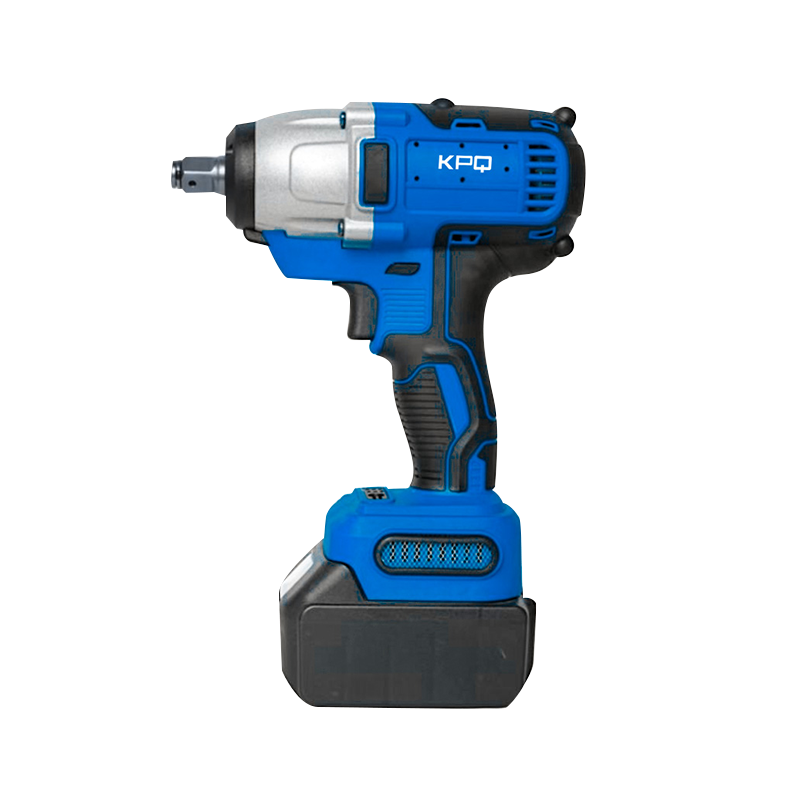 Custom Industrial Grade Cordless Impact Wrench Factory, ManufacturersAs China Industrial Grade Cordless Impact Wrench Manufacturers and Custom Factory, Nantong Great Tools Co., Ltd. provides types of Indust...View Product →
Safety Tips When Using Alternative Tools
Substitute tools bring their own failure modes. Watch for these four.
Adapter breakage. A cheap hex-to-square adapter is the weak link in any drill or impact driver setup. Under repeated impact, it can shatter and send fragments flying. Use chrome vanadium or chrome molybdenum steel adapters, and inspect for cracks.
Reaction torque. A drill or impact driver that bites into a seized fastener will twist your wrist hard. Grip with both hands, keep balanced, and never brace the tool against your body.
Bolt damage. A loose or worn socket rounds off a tight bolt head, making removal far harder. Use a snug six-point socket and resist forcing a 12-point socket onto a stubborn fastener.
Breaker bar rebound. A slipping socket makes the bar swing violently. Keep steady footing, pull smoothly, and skip the cheater pipe unless the socket and fastener are sound.

 English
 русский
 Español