2026-07-29
Engineering Notes
Inside the Cordless Rotary Hammer Drill: Engineering, Manufacturing and Real-World Performance
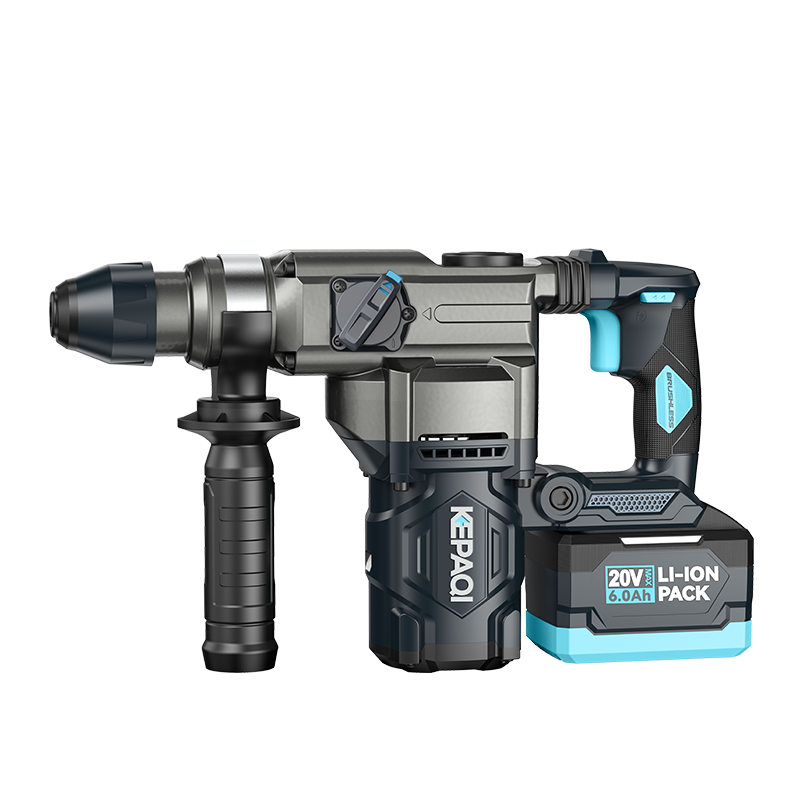
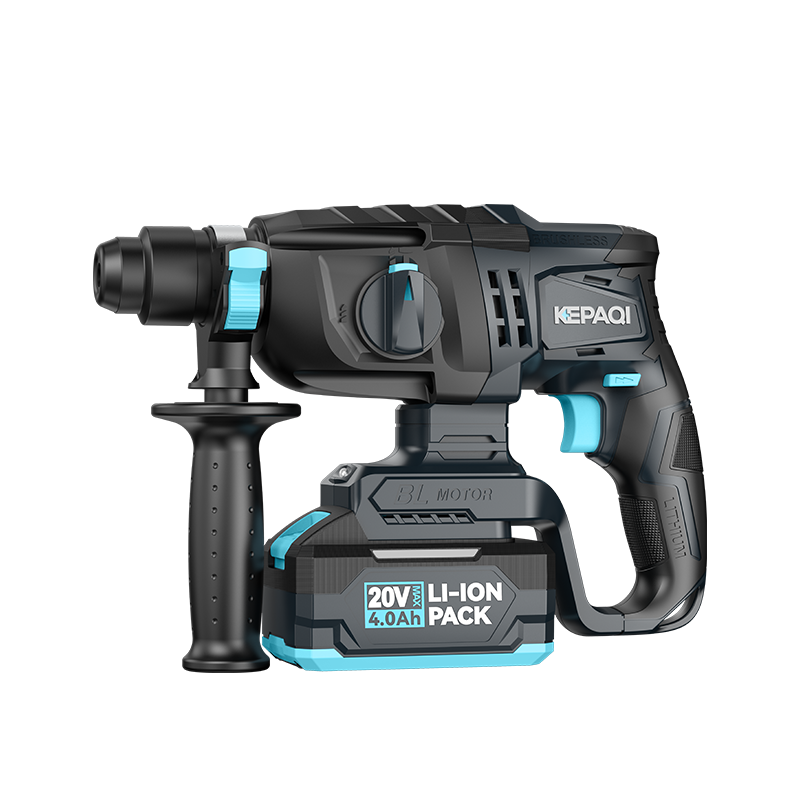
Every Cordless Rotary Hammer that leaves a production line carries a set of engineering decisions that determine how it performs on a job site years after purchase. From the motor architecture to the impact mechanism tolerances, the difference between a tool that lasts a single project and one that survives thousands of operating hours comes down to manufacturing discipline. This piece looks at the rotary hammer cordless platform from the factory floor perspective, covering the drivetrain, power system, chuck standards, production testing and long-term care practices that keep a rotary hammer cordless tool running at full output. It also breaks down how impact energy, drilling speed, and ergonomic design interact once the tool leaves the bench and goes to work on an actual site, since published specification numbers only tell part of the story until they are matched against real drilling conditions.
Motor Architecture and the Shift to Brushless Drivetrains
The motor is the single component that most affects the lifespan of a cordless rotary hammer drill. Brushed motors rely on carbon contacts that physically touch a rotating commutator, generating friction, heat and gradual wear with every start-stop cycle. On a rotary hammer subjected to continuous impact loads, that wear accelerates quickly, which is why brushless architecture has become the standard for mid-range and heavy-duty models. A brushless motor uses electronic commutation instead of physical contact, which removes the main source of mechanical wear, reduces heat build-up inside the housing, and allows the tool to sustain higher torque output over longer working cycles without a drop in performance.
From a production standpoint, brushless motors also allow tighter control over power delivery. Embedded control boards can regulate current draw based on load, which protects both the motor windings and the battery pack from thermal stress during sustained drilling into reinforced concrete. This is one of the reasons a modern rotary hammer cordless unit can match or exceed the output of older corded equivalents while running on a compact battery platform.
Core Engineering Advantages
Electro-Pneumatic Impact System
A sealed piston and air cushion assembly transfers energy to the bit without direct mechanical contact, reducing internal wear and keeping impact energy consistent as the tool heats up during extended use.
Torque-Limiting Clutch
A mechanical or electronic clutch disengages drive when the bit binds in reinforcing steel or dense aggregate, protecting the gearbox, the operator's wrist, and the battery contacts from sudden load spikes.
Active Vibration Control
A counterweight or secondary spring system inside the housing offsets piston reaction force, lowering hand-arm vibration exposure during long drilling or chiseling sessions.
Sealed Dust Protection
Labyrinth seals around the chuck and gearbox keep concrete dust away from bearings and gear teeth, which is one of the leading causes of premature wear in tools used on demolition and drilling sites.
Multi-Mode Selector
A single dial switches between rotation-only, hammer-only, and combined rotary-hammer modes, allowing one unit to cover drilling, light chiseling, and surface preparation without changing tools.
Depth Stop and Auxiliary Handle
An adjustable depth rod paired with a rotating side handle keeps hole depth consistent across repeated anchor installations and improves control angle on vertical or overhead work.
Power Platform: Voltage, Runtime and Site Performance
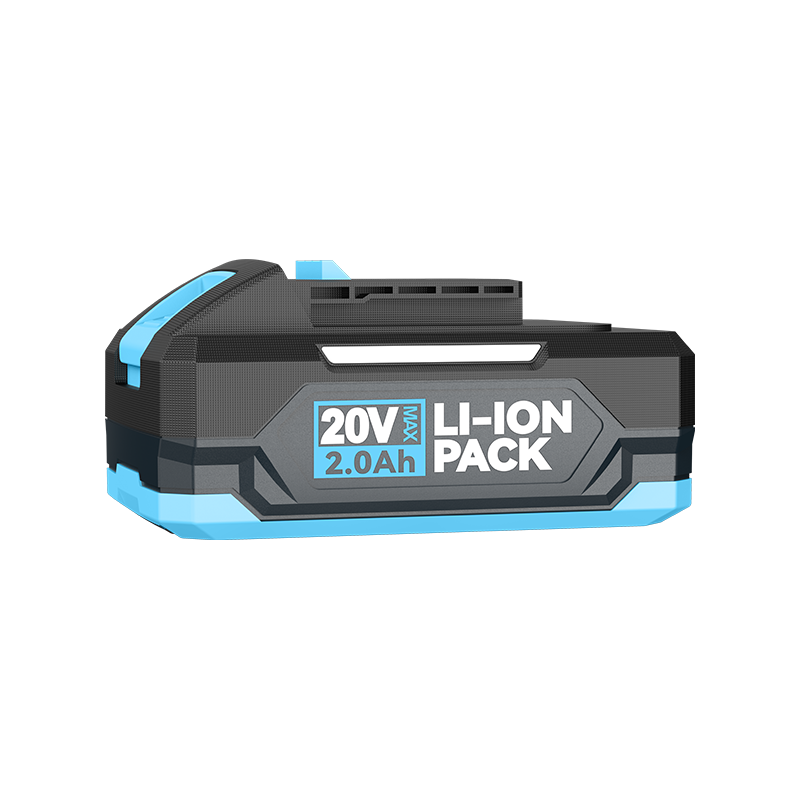
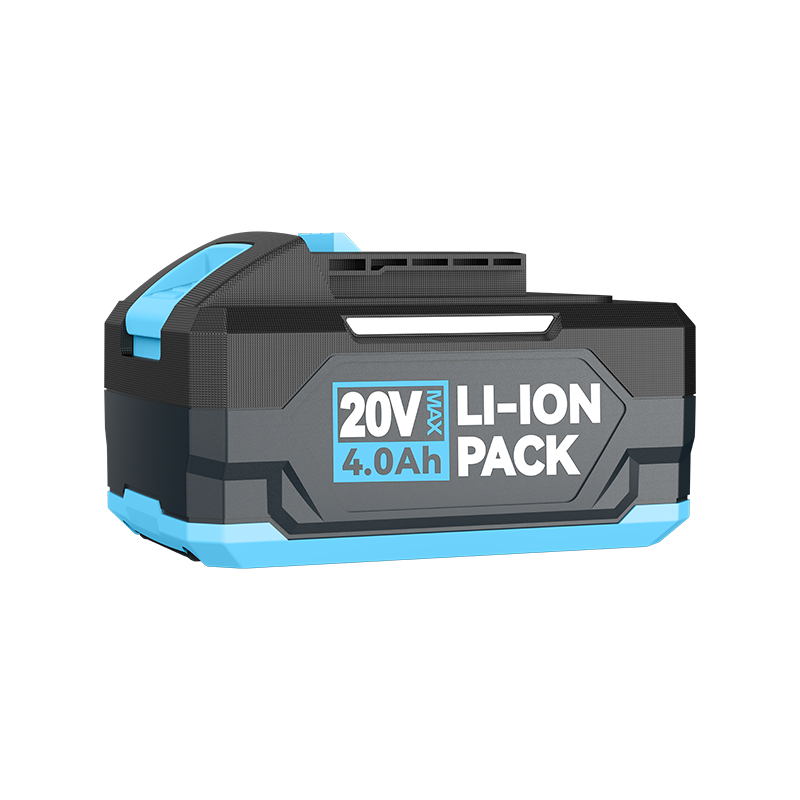
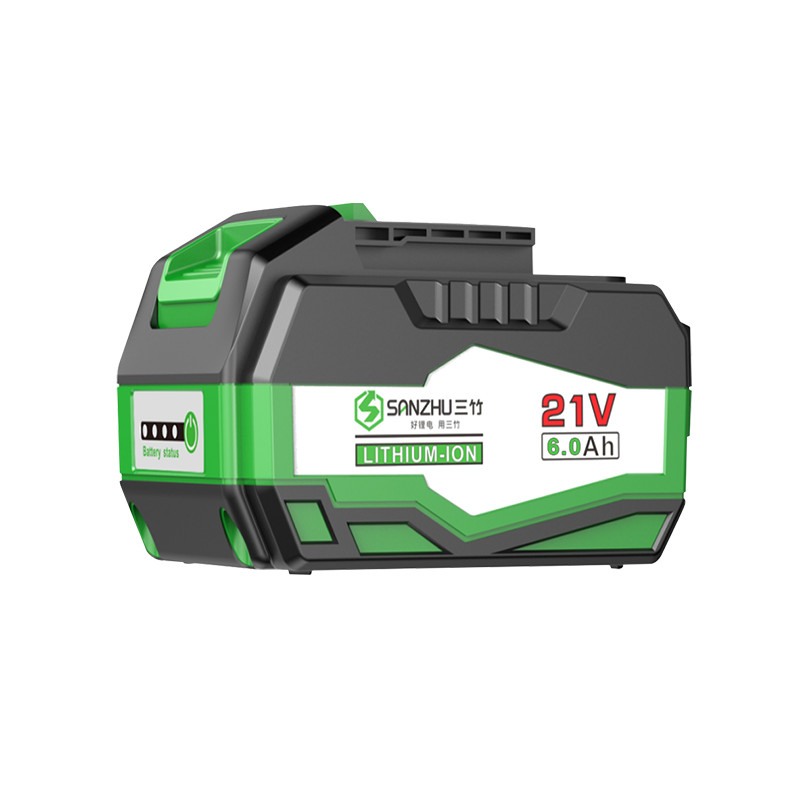
Battery selection defines how a cordless rotary hammer drill behaves under load far more than most buyers expect. Lithium-ion cells used in modern power tool packs are rated by voltage, amp-hour capacity, and discharge rate, and all three interact to determine how the tool performs once the bit is under resistance in dense material. A pack with high voltage but low discharge rate can still bog down during heavy drilling, while a well-matched cell configuration maintains stable RPM and impact frequency even as the battery depletes toward the end of a shift.
Thermal management inside the pack matters as much as raw capacity. Cell temperature sensors paired with a battery management circuit prevent overheating during back-to-back drilling cycles, which extends both the runtime of a single charge and the total number of charge cycles the pack delivers before capacity fades. This is particularly relevant on rotary hammer cordless platforms, since the impact mechanism draws current in short, repeated bursts rather than the steady draw seen in continuous-rotation tools.
| Parameter | Cordless Rotary Hammer | Corded Rotary Hammer |
|---|---|---|
| Power source | Lithium-ion battery pack, 18V-36V platforms | Direct AC mains connection |
| Mobility on site | Unrestricted, no cable management needed | Limited by cable length and outlet placement |
| Continuous run time | Dependent on battery capacity and load | Unlimited while connected to power |
| Typical impact energy | 1.5J to 12J depending on platform | 2J to 20J+ on industrial models |
| Best suited for | Renovation, service work, overhead and confined access tasks | Fixed-location heavy drilling and prolonged demolition |
| Weight (comparable class) | Slightly higher due to battery mass | Lower, no onboard power source |
Impact Energy, RPM and Drilling Speed
Two figures on a specification sheet tell most of the drilling-speed story: impact energy, measured in joules, and no-load rotation speed, measured in RPM. Impact energy determines how much force is delivered to the bit tip on each strike, which governs how fast the bit fractures material at the bottom of the hole. Rotation speed determines how quickly the bit clears fractured debris out of the hole and repositions its cutting edges for the next strike. A tool with high impact energy but low rotation speed can still drill slowly if debris is not cleared efficiently, which is why manufacturers tune both figures together rather than maximizing either one in isolation.
Bit geometry also affects how efficiently a given impact energy rating converts into forward drilling progress. Carbide tip angle, flute design, and shank length all interact with the rotary hammer's impact frequency, so the same tool can show noticeably different drilling times depending on which bit is fitted. This is one of the reasons manufacturers publish recommended bit ranges alongside impact energy figures rather than a single blanket number.
| Impact Energy Class | Typical No-Load Speed | Recommended Hole Diameter |
|---|---|---|
| 1.5J - 3J | 0 - 1,100 RPM | 4mm - 16mm |
| 3J - 6J | 0 - 900 RPM | 10mm - 26mm |
| 6J - 10J | 0 - 700 RPM | 18mm - 38mm |
| 10J and above | 0 - 500 RPM | 25mm - 52mm |
As hole diameter increases, rotation speed is deliberately reduced in the gear design so the bit has time to fully clear debris between impacts, while impact energy is increased to keep progress rate acceptable in larger-diameter holes. This inverse relationship between rated speed and impact class is a deliberate engineering trade-off rather than a limitation, and it is one of the main reasons a single cordless rotary hammer drill platform is offered across several impact energy variants rather than one universal specification.
Ergonomics and Operator Control
Balanced Center of Gravity
Battery and motor placement are positioned to keep weight distribution close to the operator's grip line, reducing wrist strain during overhead and horizontal drilling positions.
Rotating Side Handle
A 360-degree adjustable auxiliary handle lets the operator find a comfortable bracing angle regardless of the drilling orientation or surrounding obstructions.
Soft-Grip Overmold
A textured, vibration-dampening overmold on the primary and auxiliary handles improves control in dusty or gloved conditions where a hard plastic grip would slip.
Electronic Overload Indicator
An onboard signal alerts the operator when motor load approaches its thermal limit, allowing a pause before the protection circuit forces a shutdown mid-task.
Variable Speed Trigger
Progressive trigger control allows a slow starting speed to prevent bit walk on hard or glazed surfaces before ramping to full drilling speed.
Integrated Work Light
An LED positioned near the chuck illuminates the drilling point directly, which matters in mechanical rooms, crawl spaces, and other low-light work areas.
Manufacturing Quality Control Before a Unit Ships
A rotary hammer is a torque-and-impact product, which means dimensional tolerances on the piston bore, cylinder wall, and gear train directly affect both power output and service life. During assembly, cylinder bores are honed to tight roundness and surface-finish tolerances so the piston seal maintains consistent air pressure across the full stroke. Gear sets are matched by tooth profile and hardness rating before installation, since a mismatched gear pair is one of the most common causes of premature gearbox failure under sustained impact loading.
Before a cordless rotary hammer drill is approved for shipment, finished units typically go through a run-in cycle under load to verify impact energy, no-load speed, and current draw against the rated specification sheet. Batteries are cycle-tested separately to confirm capacity and internal resistance fall within acceptable range, and housings are checked for seal integrity to confirm dust and moisture resistance ratings hold under vibration. This layered testing sequence is what allows a manufacturer to publish impact energy and RPM figures with confidence rather than estimation.
Vibration output is measured separately using accelerometer testing on the handle and auxiliary grip, since hand-arm vibration exposure is a regulated safety metric in most regions and directly affects how long an operator can run the tool continuously within a shift. Sound pressure level is recorded under both no-load and full-impact conditions, and housing components are checked against drop and torque-reaction testing to confirm the clutch engages correctly before a bind event transmits excessive force back to the operator. Each of these test results is logged against the batch and serial number, so a specific unit can be traced back to its production run if a field issue is ever reported.
Where Rotary Hammers Actually Get Used
Anchor and Fastener Installation
Drilling precise holes for expansion anchors, chemical anchors, and rebar dowels in structural concrete, where hole diameter and depth consistency directly affect load-bearing capacity.
Utility and Conduit Routing
Chasing channels through masonry and concrete block walls for electrical conduit, plumbing lines, and low-voltage cabling in renovation and retrofit projects.
Surface Demolition and Tile Removal
Switching to hammer-only mode to break up tile, thin-set mortar, and surface concrete without the added weight of a dedicated demolition unit.
Masonry Restoration
Controlled chiselling for repointing, stone dressing, and selective removal work where excess impact energy would damage surrounding material.
Precast and Structural Assembly
Repetitive precision drilling across precast concrete panels and structural elements where hole placement accuracy affects downstream assembly steps.
Field Service and Maintenance
Fast, cable-free drilling for equipment mounts, bracket installation, and repair work in occupied buildings where running a power cable is impractical.
Chuck Systems and Shank Compatibility
Bit retention system is another area where specification directly affects usability. Most rotary hammer platforms use one of three standardized shank systems, and matching the correct bit shank to the tool's chuck is essential for both safety and drilling efficiency.
| Shank Type | Common Bit Diameter Range | Typical Application |
|---|---|---|
| SDS-Plus | 4mm - 28mm | General drilling, light chiselling, residential and light commercial work |
| SDS-Max | 12mm - 52mm | Heavy-duty drilling and structural anchor installation |
| Spline Shank | 25mm - 76mm | Industrial-scale drilling and continuous heavy chiselling |
The SDS retention groove allows the bit to move slightly within the chuck during impact, transferring hammer energy efficiently while permitting quick tool-free bit changes. This design is common across cordless and corded platforms alike, but the chuck size on any given cordless rotary hammer drill is matched to the impact energy class of the tool, since an undersized chuck cannot reliably retain larger bits under high-frequency impact loading.
Extending Service Life Beyond Basic Lubrication
Keeping the gearbox and SDS chuck properly greased is the most commonly cited maintenance step, but several other practices have a measurable effect on how long a rotary hammer cordless unit holds its rated performance. Dust ingress is the leading cause of premature wear on job sites, so clearing the chuck collar and ventilation slots after each use prevents fine particulate from working into the bearing races. On models fitted with a dust extraction attachment, keeping the shroud and filter clean maintains suction efficiency and further reduces the amount of debris reaching internal components.
Battery care also plays a direct role in long-term reliability. Storing packs at partial charge in moderate temperature conditions, rather than leaving them fully charged or fully depleted for extended periods, helps preserve cell capacity over hundreds of charge cycles. In cold-weather operation, allowing a battery to warm closer to ambient working temperature before heavy use helps maintain consistent discharge rates and protects the cells from stress during high-current impact cycles.
Carbon brush inspection remains relevant on brushed models, while brushless units shift the maintenance focus toward keeping air vents clear so the electronic control board can dissipate heat correctly. Across both motor types, periodic inspection of the auxiliary handle clamp, depth rod, and chuck retention sleeve for wear helps catch small issues before they affect drilling accuracy or operator control.
Matching Tool Class to Job Requirements
Light-Duty Class
Impact energy around 1.5J-3J, suited to anchor holes and conduit chasing in residential concrete and block work where the tool needs to stay compact and easy to maneuver in tight spaces.
Medium-Duty Class
Impact energy around 3J-8J, the common choice for commercial renovation, structural anchor installation, and mixed drilling-and-chiselling tasks across a working day.
Heavy-Duty Class
Impact energy above 8J, built for larger diameter drilling, sustained chiselling, and structural work where higher torque and impact frequency reduce cycle time per hole.
Impact Mode and Concrete Breaking Capability
When switched to hammer-only mode, a rotary hammer can break up concrete, remove tile, and clear surface material without rotating the bit, functioning much like a compact chipping tool for localized work. The distinction between this mode and a dedicated chipping hammer is capacity rather than function: a chipping hammer is purpose-built for continuous, high-energy breaking across large areas, while a rotary hammer's chisel mode is better suited to precise, localized removal such as clearing around embedded fixtures, opening inspection points, or breaking out small sections without disturbing adjacent material. For large-area demolition, pairing the rotary hammer with a dedicated breaking tool remains the more time-efficient approach, while the rotary hammer stays on hand for the precision drilling work that a chipping hammer cannot perform.
Choosing between rotation-only, hammer-only, and combined mode comes down to matching the mechanism to the material response required by the task, and this flexibility is what makes a well-built Cordless Rotary Hammer a practical fit for crews moving between drilling, anchoring, and light demolition across a single project without switching between multiple dedicated tools.
Material Compatibility and Bit Selection
Impact energy alone does not determine whether a rotary hammer cordless setup will perform well on a given material. Aggregate density, reinforcement content, and surface hardness all change how a bit behaves once drilling starts, which is why bit selection is treated as part of the overall system rather than an afterthought. A carbide-tipped bit rated for standard concrete will dull quickly against dense aggregate or natural stone with high silica content, while a bit designed for reinforced concrete uses a different tip geometry to handle the transition between concrete and embedded steel without shattering the carbide edge.
| Material | Recommended Bit Type | Notes |
|---|---|---|
| Standard poured concrete | Four-cutter carbide masonry bit | Balanced speed and bit life for general anchor and conduit holes |
| Reinforced concrete | Multi-cutter carbide bit with reinforced flute | Withstands contact with embedded rebar without chipping |
| Brick and cinder block | Two-cutter carbide bit | Faster penetration in softer, more porous material |
| Natural stone and granite | Premium carbide bit, reduced feed rate | Slower drilling speed prevents overheating the carbide tip |
Feed pressure also plays a role that is easy to overlook. Applying excessive forward pressure does not increase drilling speed on a rotary hammer the way it might on a standard drill, since the impact mechanism is already delivering the cutting force. Excess pressure instead increases heat at the bit tip and accelerates wear on the piston seal, so manufacturers generally recommend letting the impact mechanism do the work while the operator focuses on keeping the bit aligned and periodically retracting it to clear debris from the hole.
Environmental Sealing and Climate Adaptability
Job sites rarely offer controlled conditions, so the electronics and mechanical seals inside a cordless rotary hammer drill are rated to handle a working range that typically spans from below-freezing early morning starts to high-heat midday drilling in direct sun. Gasket seals around the battery interface and control board keep fine dust from entering the electronics bay, which is particularly important on masonry demolition sites where airborne particulate concentration is high throughout the shift.
Cold-weather performance depends heavily on battery chemistry behavior at low temperature, since lithium-ion cells experience reduced discharge capability as internal resistance rises in the cold. Many packs used on rotary hammer cordless platforms include a warm-up allowance in the control logic, delivering slightly reduced power for the first several seconds of operation before ramping to full output once internal cell temperature stabilizes. In high-heat conditions, the same control logic works in reverse, throttling output slightly if internal temperature sensors detect the pack approaching its upper safe limit, which protects cell longevity at the cost of a small reduction in peak performance during the hottest part of the day.
Humidity resistance follows a similar layered approach: gasket materials around switch assemblies and charging contacts are selected to resist moisture ingress during outdoor storage or use in damp basements and utility spaces, while the battery terminal design incorporates a slight recess to reduce the chance of contact corrosion from condensation. None of these details are visible in day-to-day operation, but they are the reason a well-engineered cordless rotary hammer drill continues to perform consistently across seasons and site conditions rather than degrading after the first few months of mixed-weather use.
Common Questions From the Field
What is a rotary hammer used for on a typical project?
Anchor hole drilling, conduit and pipe routing through masonry, light demolition, and surface chiselling are the tasks that come up most often across residential, commercial, and infrastructure work.
Is a rotary hammer better than a hammer drill for concrete?
For concrete, masonry, and stone, yes: the electro-pneumatic impact mechanism delivers more consistent force than the cam-action system in a standard hammer drill, especially as hole diameter increases.
Will a rotary hammer break up concrete on its own?
In hammer-only mode it can handle localized breaking and surface removal, though large-area demolition is still faster with a dedicated breaking tool built for continuous high-energy output.
What are the different types of rotary hammers available?
Classification typically follows chuck standard (SDS-Plus, SDS-Max, spline) and impact energy class (light, medium, heavy duty), with cordless and corded variants available across each category.
Contact Info
+86-13801463308
+86-13862872268
Nantong,Jiangsu,China

 English
 русский
 Español