Understanding the Power of the Cordless Impact Wrench
In the world of modern mechanical disassembly and assembly, the Cordless Impact Wrench has fundamentally transformed operational efficiency. There was a time when heavy air compressors and tangled pneumatic hoses were the only options for high-torque output in auto shops or large construction sites. However, with the leap in battery technology, going cordless is no longer a compromise in performance; it is a hallmark of evolution.
The Evolution of Bolting
Early manual wrenches relied on physical leverage, often resulting in high physical exhaustion and low efficiency when facing rusted or over-tightened bolts. The birth of the Cordless Impact Wrench was essentially a revolution in power sources. It converts electrical energy into high-frequency rotational impact force, allowing operators to loosen fasteners with one hand that previously required the collective effort of several people. This flexibility extends heavy-duty operations from the workshop to roadside emergency rescues, high-altitude steel structure assembly, and various complex outdoor scenarios.
Defining the Tool
It is easy to confuse the Cordless Impact Wrench with standard power drills or impact drivers. While they may look similar, their core missions are entirely different:
Drill Driver: Produces continuous rotational force, primarily used for making holes in wood or metal.
Impact Driver: Designed for driving long screws, utilizing a 1/4" hex attachment with moderate torque.
Cordless Impact Wrench: Specifically engineered for handling bolts and nuts, equipped with a square drive. Its instantaneous "nut-busting" torque is several times, or even ten times, higher than the former two.
The "Impact" Mechanism
The magic of the Cordless Impact Wrench lies in its internal hammering mechanism. When the motor drives the internal hammer and encounters resistance, a spring is compressed; the hammer is then released to strike the anvil violently. This impact is not a continuous push but thousands of intense blows per minute. It is this instantaneous high-energy pulse that breaks the static friction between metal fasteners, allowing even the most rusted heavy-truck lug nuts to be loosened.
Core Mechanics and Engineering
To truly understand the performance of a Cordless Impact Wrench, one must look beyond the exterior and analyze its core engineering parameters. These factors determine the tool's suitability for specific workloads.
Torque Dynamics: Nut-Busting vs. Fastening
When evaluating a Cordless Impact Wrench, you will encounter two core torque concepts:
Fastening Torque: Refers to the maximum force the tool applies when tightening a bolt.
Nut-Busting Torque: Also known as breakaway torque. This value is usually higher because it utilizes the maximum energy generated by the impact mechanism to remove bolts that are seized due to rust, heat, or over-tightening.
Voltage and Power Classes
Different voltage platforms determine the upper limits of the tool's power. Below is a comparison of typical parameters for the mainstream voltage levels currently on the market:
| Voltage Platform |
Typical Drive Size |
Approx. Torque Range |
Core Application Scenarios |
| 12V Max |
1/4" - 3/8" |
100 - 350 N-m |
Tight engine bays, interior disassembly, precision machinery |
| 18V / 20V Max |
3/8" - 1/2" |
400 - 1000+ N-m |
Passenger car tires, suspension systems, wood construction |
| 36V / 40V Max |
1/2" - 3/4" |
1500 - 2500+ N-m |
Heavy trucks, large farm machinery, industrial steel structures |
Brushless Motor Technology
Why are today's Cordless Impact Wrench models stronger and smaller than those from a decade ago? The answer is Brushless Motor technology. Compared to traditional brushed motors, brushless versions eliminate carbon brush wear, reduce heat generation, and increase energy conversion efficiency by over 30%. This means longer runtime and more explosive power from the same battery capacity. Additionally, electronic controllers allow the tool to be smart, automatically adjusting output to prevent snapping smaller bolts.
Essential Features for Professional Performance
A superior Cordless Impact Wrench relies not just on raw strength, but on how that strength is controlled. Modern engineering has gifted these tools with key features to adapt to diverse environments.
Variable Speed Triggers & Mode Selection
Early tools were often just on or off. Modern Cordless Impact Wrench units are generally equipped with pressure-sensitive variable speed triggers. By adjusting finger pressure, users can regulate rotation speed in real-time. Furthermore, high-end models often feature an Auto-Stop Mode, which cuts power or slows down the moment a bolt is loosened to prevent the nut from flying off due to inertia.
Drive Size and Anvil Type
The design of the anvil directly affects the speed and safety of socket changes.
Hog Ring (Friction Ring): Relies on the friction of an open steel ring to hold the socket. The advantage is extremely fast socket changes, ideal for tasks requiring frequent size swaps.
Detent Pin: Locks the socket via a spring-loaded pin. This provides maximum security, making it almost impossible for a socket to fall off, essential for high-altitude work, though it requires a sharp object to depress the pin for changes.
Integrated LED Work Lights
Inside wheel wells or deep within mechanical structures, light is often scarce. High-quality Cordless Impact Wrench models typically feature ring-shaped LED lights around the base or the anvil. This layout minimizes shadows, ensuring the operator can see the condition of the fastener clearly.
Key Considerations for Your Next Purchase
When selecting a Cordless Impact Wrench, torque numbers alone are insufficient. You must find a balance across several dimensions.
Weight vs. Power: The Ergonomic Balance
As performance increases, so does the weight. While a high-torque machine can easily handle truck tires, its weight can quickly lead to arm fatigue during hundreds of repetitive tightening tasks.
| Class |
Average Weight |
Recommended Continuous Work |
Typical User |
| Compact |
0.9 - 1.3 kg |
Long / All day |
Electricians, interior technicians |
| Mid-Torque |
1.8 - 2.5 kg |
Moderate intensity |
Auto mechanics, general DIY |
| High-Torque |
3.2 - 4.5+ kg |
Intermittent heavy loads |
Heavy machinery mechanics, builders |
IP Ratings and Durability
Workshops and jobsites are filled with oil, dust, and moisture. Checking the IP rating of a Cordless Impact Wrench is vital. Tools with superior sealing protect sensitive internal electronic boards from metal debris, significantly extending the tool's lifespan.
Practical Applications Across Industries
The versatility of the Cordless Impact Wrench has made it a universal player across industries.
Automotive Maintenance
In passenger vehicle repair, the 1/2" drive Cordless Impact Wrench is the absolute workhorse. From removing rusted control arm bolts to quickly rotating tires, the time saved is measured in hours. For smaller bolts on the upper engine, the 3/8" compact body offers better accessibility.
Construction and Steel Erection
In modern construction, lag bolts for wood structures and large hex bolts for steel frames require immense torque. The Cordless Impact Wrench eliminates the restriction of power cords, making it safer for workers on scaffolding or rooftops.
Home DIY and Renovations
While average homeowners don't deal with heavy-duty loads daily, a basic Cordless Impact Wrench prevents bolt stripping caused by uneven manual force when installing decks or repairing lawnmower blades.
Optimization and Safety Guidelines
Power comes with potential risks. Correct operation of a Cordless Impact Wrench is the prerequisite for quality work.
Proper Impact Socket Usage: Never use standard Chrome Vanadium (Cr-V) sockets on an impact wrench. They are too brittle and can shatter under high-frequency impact. You must use heat-treated, black Chrome Molybdenum (Cr-Mo) impact-rated sockets.
Vibration Management: Long-term use of high-impact tools can lead to hand-arm vibration syndrome. It is recommended to wear vibration-dampening gloves and take frequent breaks.
Maintenance: After each use, clean dust from the anvil and check battery contacts for oxidation. For tools used in the rain, ensure the body is dry before storage.
Deep Dive: Impact Wrench Accessories and Compatibility
Owning a powerful Cordless Impact Wrench is only half the battle; the other half depends on the accessories in direct contact with the bolt.
The Metallurgy of Impact Sockets
Chrome Vanadium (Cr-V): Standard manual sockets use this. It is extremely hard but brittle under high-frequency impact, easily shattering into dangerous shards.
Chrome Molybdenum (Cr-Mo): The standard for professional impact sockets. It has better ductility and shock absorption, allowing it to withstand the intense bursts of a Cordless Impact Wrench without breaking.
Torque Sticks vs. Precision Torque Wrenches
Working Principle: Torque sticks utilize the torsional elasticity of metal to absorb excess impact once a specific torque is reached.
Limitations: They provide a rough estimate. For precision components like engine internals, you must use the Cordless Impact Wrench for pre-tightening and a manual torque wrench for final calibration.
The Battery Factor: Performance Beyond Capacity
Amp-Hour (Ah) and Current Discharge
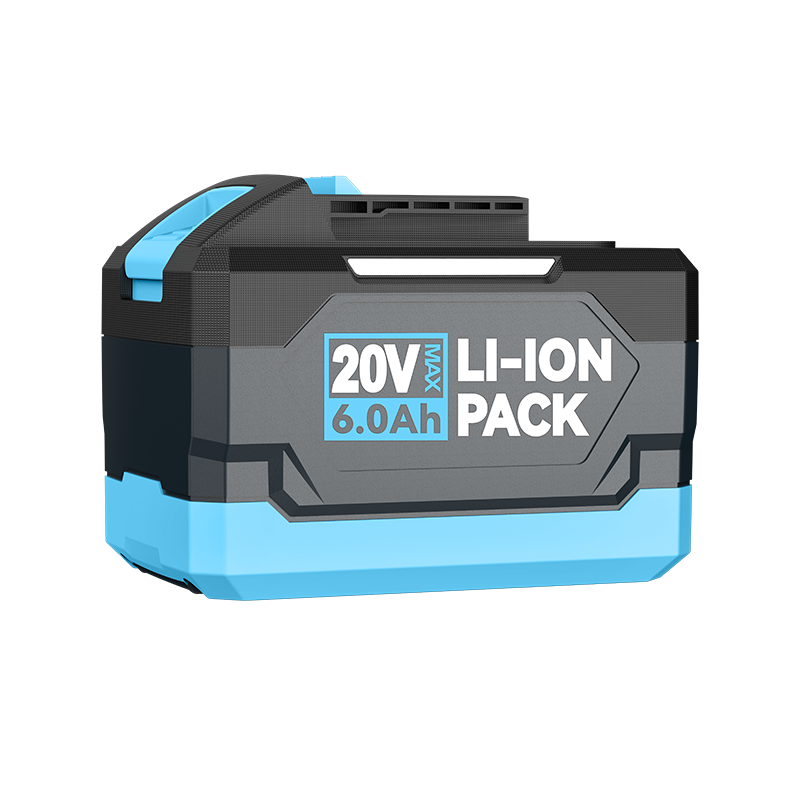
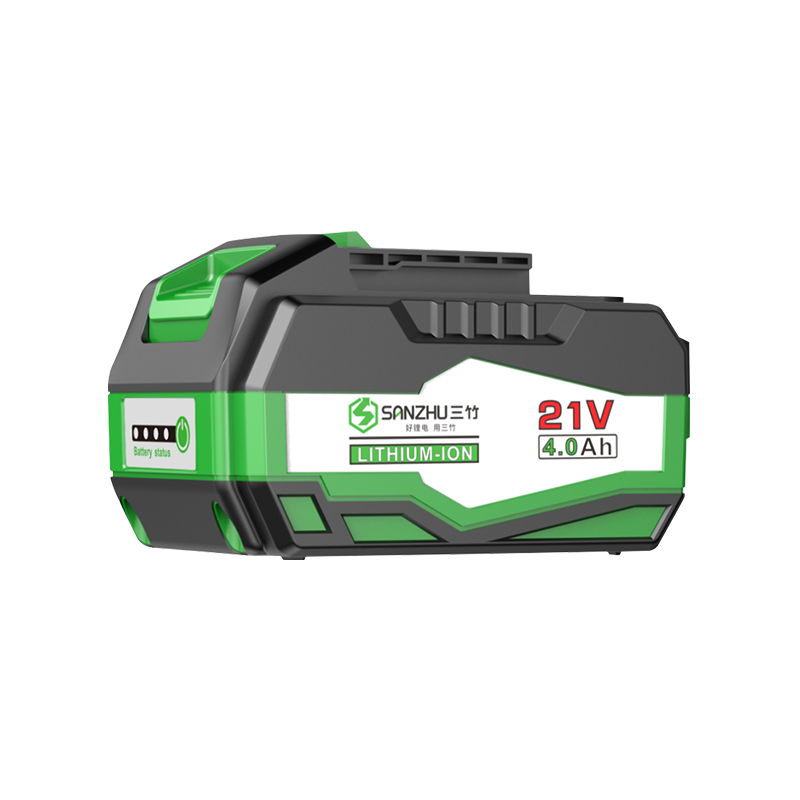
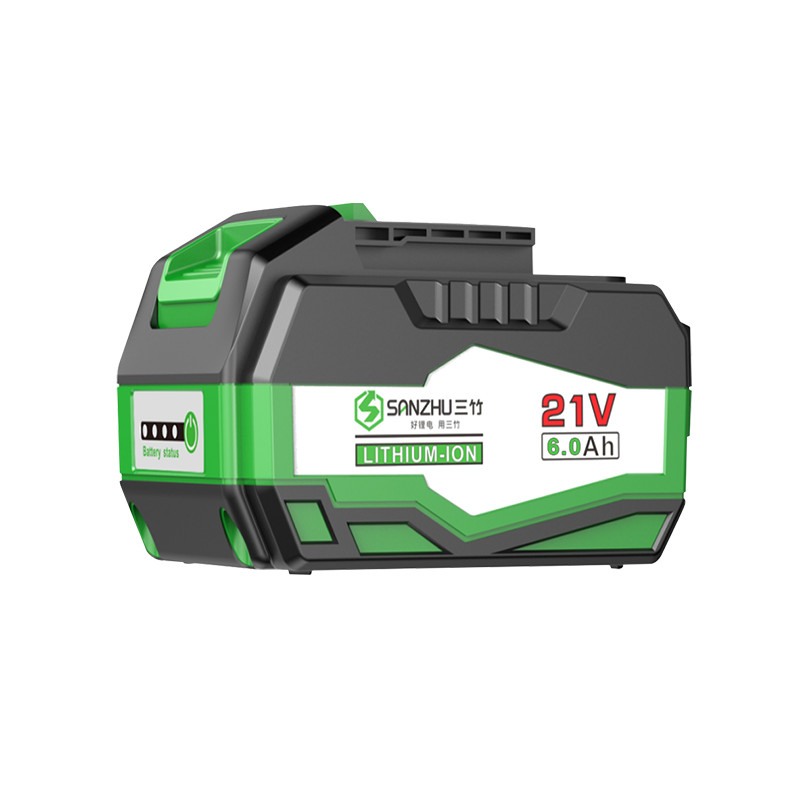
A 5.0Ah battery isn't just about longer runtime compared to a 2.0Ah battery; it's about internal resistance.
| Battery Size |
Typical Cell Layout |
Discharge Capability |
Impact on Torque |
| Compact (2.0-2.5Ah) |
Single row (5 cells) |
Lower |
Suitable for light loads; torque drops under heavy resistance |
| High Capacity (5.0Ah+) |
Double row (10 cells) |
High |
Maintains voltage under load to ensure full torque output |
| High Output (21700) |
Optimized layout |
Extremely High |
Faster heat dissipation; maintains power during prolonged use |
FAQ
Why is my impact wrench spinning, but the bolt isn't moving?
This is often due to rebound. If the fastener lacks rigidity or if you are using a long, flexible extension bar, the impact wave is dissipated before reaching the bolt. Shortening the extension or using a short socket usually solves this.
Air wrench vs. Cordless Impact Wrench: which is stronger?
Five years ago, pneumatic wrenches were king. Today, high-end Cordless Impact Wrench models can generate over 2000 N-m of nut-busting torque, sufficient for 95% of industrial tasks. The main advantage of cordless is energy efficiency and the lack of complex air lines.
How do I know when a bolt is tightened?
Rely on sound and feel. When the impact sound changes from a sharp metallic hit to a duller, lower frequency, it usually means the bolt has reached pre-tightening state. For critical parts, always refer to the manual for torque specs.
What if a rusted bolt won't budge?
Before using the Cordless Impact Wrench, apply penetrating oil and let it sit for 15 minutes. If it still won't move, try a tighten-then-loosen strategy, briefly hitting the bolt in the tightening direction to break the rust's crystalline structure before reversing.
Final Insights for the Modern Craftsman
When choosing a Cordless Impact Wrench, prioritize system compatibility. If you already own batteries for a specific voltage platform, expanding within that platform will greatly reduce costs.
For Homeowners: An 18V mid-torque machine (400-600 N-m) is sufficient for a lifetime of maintenance.
For Professionals: It is recommended to have a high-torque unit for chassis work and a compact unit for tight spaces.
The Cordless Impact Wrench is more than just a tool; it is a liberation of physical labor and a tribute to precision engineering. By mastering its physical characteristics and maintenance, you can conquer every stubborn bolt safely and efficiently.

 English
 русский
 Español