2026-02-23
In the power tool industry, users are frequently misled by the Max Torque specifications found on retail packaging. Many DIY enthusiasts and entry-level technicians encounter a frustrating scenario: their 12V Cordless Screw Driver, despite a high torque rating, stalls halfway when driving a 5cm Self-Tapping Screw into solid timber like pine or oak. This failure is rarely about a lack of raw power; rather, it involves a complex interplay of physics, Battery Discharge Rate, and transmission efficiency.
Manufacturers often advertise the Stall Torque of a 12V Cordless Screw Driver—the maximum force generated the instant before the motor ceases to turn. However, driving a 5cm screw involves a massive increase in Side-wall Friction as the threads penetrate deeper into the wood fibers.
At this stage, the tool requires Sustained Torque. Due to the limitations of the 12V platform, the magnetic field strength in the motor struggles as Back EMF (Electromotive Force) drops under heavy resistance. While an 18V tool can maintain consistent current flow under load, the 12V motor often hits a thermal or electronic ceiling, causing the output to collapse just when the resistance is highest.
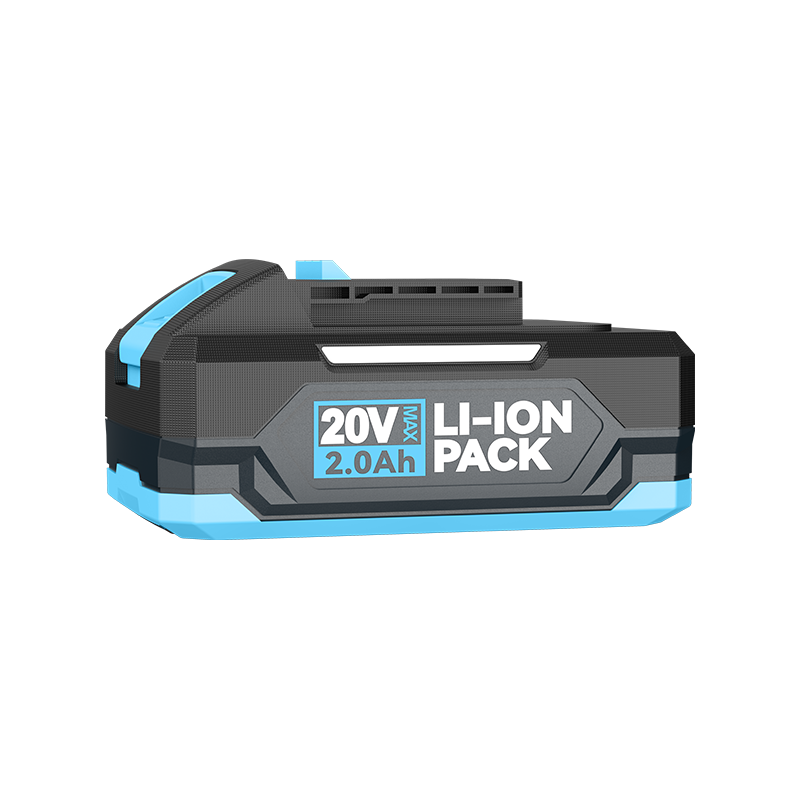
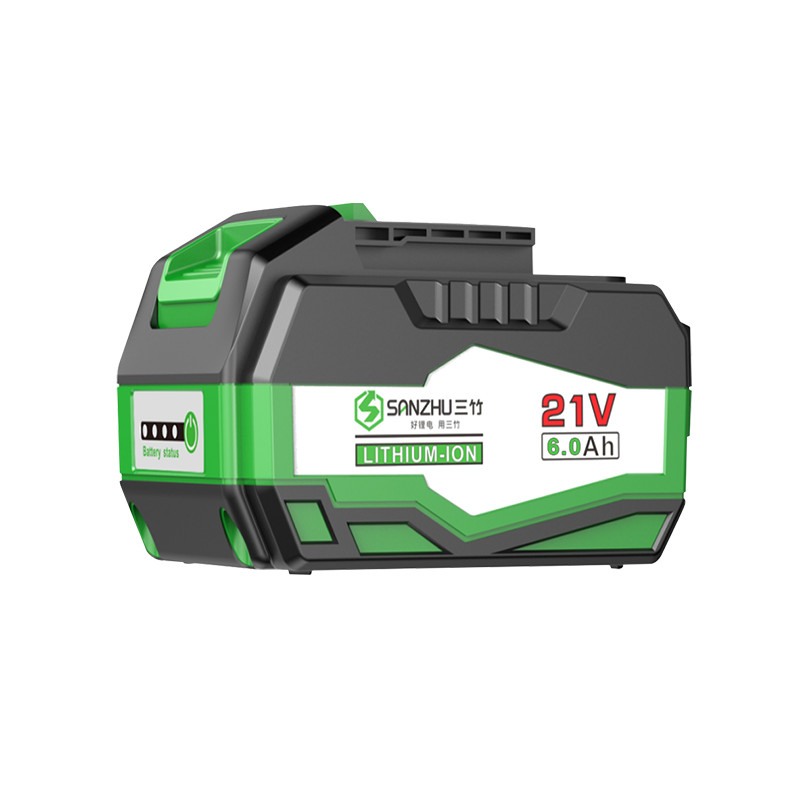
A 12V battery pack typically consists of three Lithium-ion Battery cells (18650 or 21700) connected in series. Driving a 5cm screw is a prolonged high-load event that demands an extreme Discharge Rate from these cells.
Under heavy load, the battery experiences a significant Voltage Drop. A fully charged 12.6V pack may momentarily dip below 10V. To maintain power output, the current must spike. If the BMS (Battery Management System) detects that the current exceeds safe thresholds, or if the internal resistance of the cells is too high to provide that instantaneous burst, the tool will trigger Overload Protection and stop abruptly to prevent permanent cell damage.
The Gearbox design of a 12V Cordless Screw Driver is usually a compromise between RPM (Rotations Per Minute) and torque. To keep the form factor compact, the Gear Ratio in the planetary gear system is often not aggressive enough for high-resistance tasks.
When dealing with 5cm screws, the tool needs low speed and high mechanical advantage. If the user operates the tool in a High-speed setting without a physical 2-Speed Gearbox shift, the motor cannot overcome the resistance torque at the tip of the screw. Much of the energy is lost as heat within the Planetary Gears rather than being converted into the rotational force needed to overcome wood density.
A common point of confusion is the difference between a standard Cordless Screw Driver and an Impact Driver. A standard driver provides Constant Torque, which relies entirely on the motor's ability to "push" through the resistance. This often leads to Cam-out (the bit slipping out of the screw head) or motor stalling.
In contrast, an Impact Driver utilizes a Hammer and Anvil mechanism. Instead of one long push, it delivers thousands of tiny, high-force percussive blows per minute. For screws longer than 5cm, these pulses break the static friction of the wood fibers far more effectively than a 12V Drill Driver. Without this Impact Mechanism, even a high-torque 12V motor is fighting an uphill battle against physics.
From an application perspective, driving a 5cm screw without Pre-drilling creates immense radial pressure. As the screw moves deeper, the wood fibers are compressed tighter, causing the Friction Coefficient to rise exponentially.
For 12V tools, the professional approach is to use a Drill Bit to create a pilot hole roughly 70% of the screw's core diameter. This reduces Parasitic Friction. Without this step, the torque required to simply turn the screw against the wood exceeds the Duty Cycle capabilities of most 12V platforms, regardless of the brand's premium positioning.
Contact Info
+86-13801463308
+86-13862872268
Nantong,Jiangsu,China

 English
 русский
 Español