2025-12-01
A brushless cordless circular saw is an essential tool widely used in industries such as construction, woodworking, and renovation. Compared to traditional brushed electric tools, a brushless cordless circular saw offers longer lifespan, higher efficiency, and better overall performance. However, many users often focus on the relationship between the tool's power output and its actual cutting capacity when selecting a circular saw. Understanding this relationship helps users choose the right tool and maximize its performance for specific tasks.
Power output in a brushless cordless circular saw refers to the maximum power that the motor can deliver while in operation. Higher power output typically means higher motor speed and cutting capability. In a brushless motor, power output is directly linked to the motor's efficiency. Since brushless motors do not have carbon brushes, they experience less friction, resulting in more efficient conversion of electrical energy into mechanical energy. This enables a brushless circular saw to deliver greater cutting performance with the same battery power compared to brushed models.
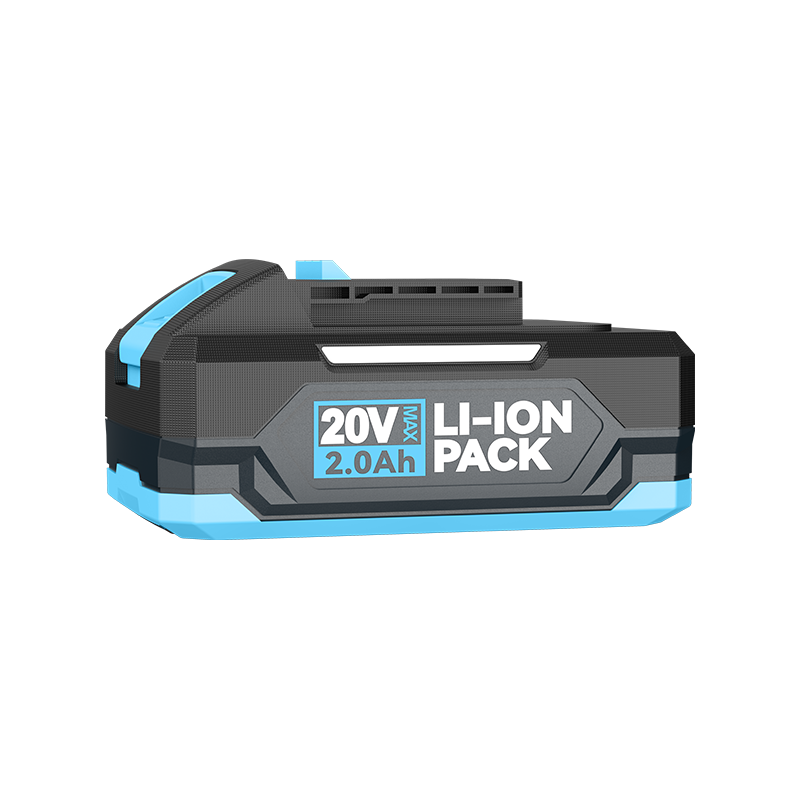
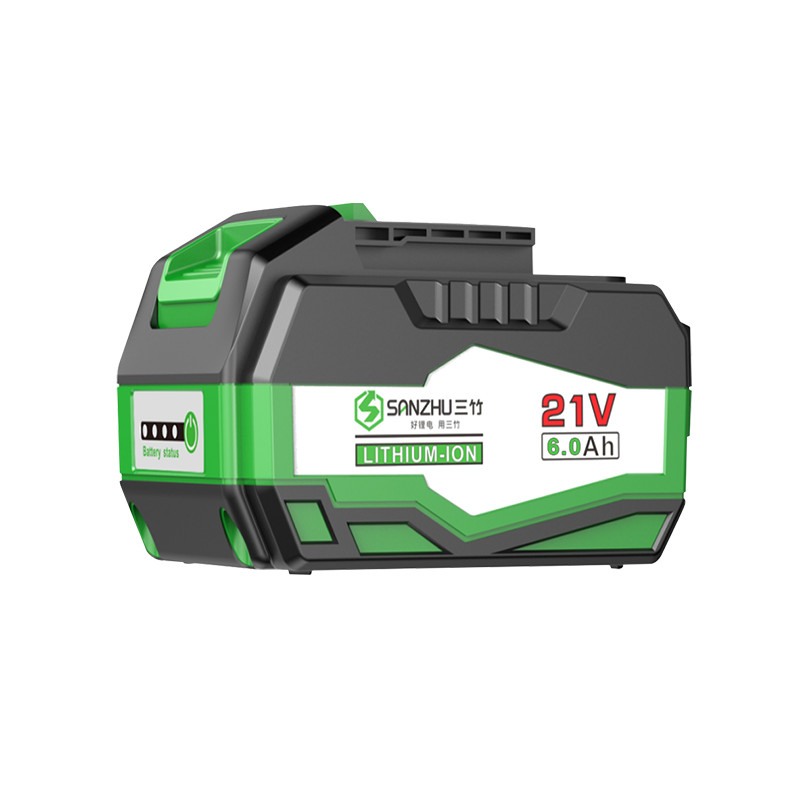
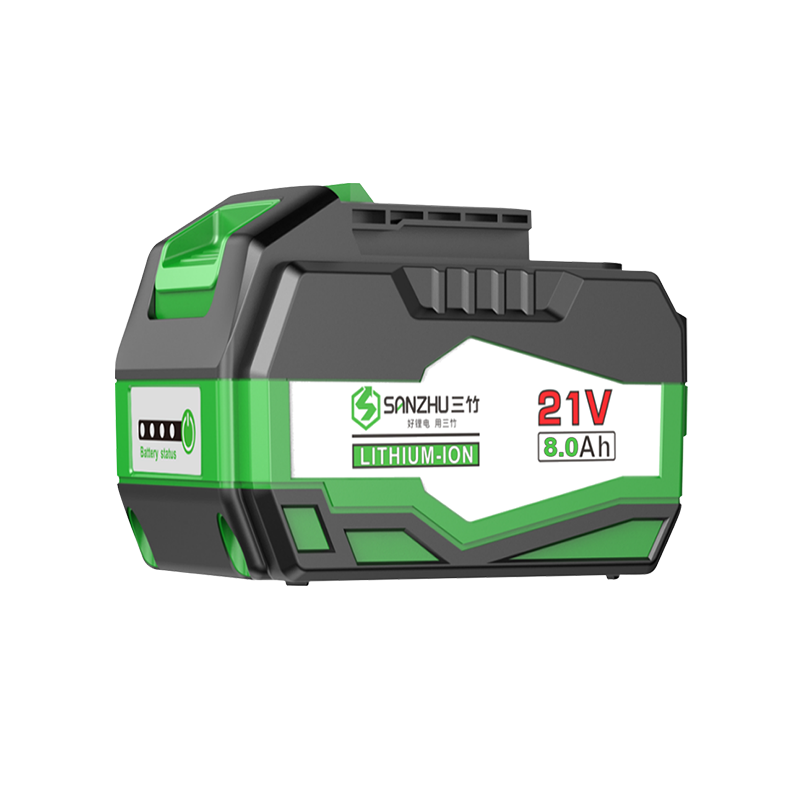
However, the power output of the tool is also influenced by factors such as battery voltage and load conditions. During cutting tasks, if the battery voltage is insufficient or the tool is overloaded, the power output may not reach its full potential, leading to suboptimal cutting performance. Therefore, choosing the right battery and charger that match the tool’s specifications is essential for ensuring maximum power output and, consequently, better cutting performance.
Cutting capacity refers to the actual cutting performance of a brushless cordless circular saw across different materials. While cutting capacity is influenced by several factors, such as the type of saw blade, cutting depth, and cutting speed, power output remains one of the most critical factors. The higher the power output, the better the saw can maintain consistent speed and performance, particularly during more demanding tasks.
For softer materials like wood, even a tool with lower power output can still perform adequately. However, when tackling tougher materials like metal, concrete, or thicker woods, higher power output becomes crucial. In these situations, the motor needs to deliver enough power to maintain consistent rotational speed and cutting force, preventing the blade from binding or stalling. Brushless cordless circular saws, with their more efficient motor design, provide consistent and powerful performance, ensuring that the saw remains effective even under heavy load.
Higher power output not only boosts cutting efficiency but also improves the overall quality and precision of the cut. In extended cutting sessions, a high-power saw can maintain steady cutting forces without significant drops in performance, which ensures clean, smooth cuts. For example, when cutting through thick wood or layered materials, a high-power brushless cordless circular saw maintains a uniform speed and stable cutting force, ensuring the cutting surface is smooth and accurate.
Additionally, high power output often comes with a higher torque rating. Torque refers to the rotational force the motor applies to the saw blade, and it plays a key role in maintaining stability during cutting. Higher torque helps avoid issues such as the blade jamming or jumping, particularly when cutting dense or tough materials. For complex cutting tasks, such as bevel cuts, deep cuts, or extended periods of use, a tool with higher power output ensures that the saw continues to perform reliably and safely.
While high power output offers numerous benefits, low-power brushless cordless circular saws also have their place. Tools with lower power output typically consume less battery, allowing for longer operation time, making them suitable for lighter cutting tasks. For example, when cutting thin wood, plastic, or other softer materials, a lower-powered tool can still perform effectively while providing longer runtime, which is ideal for extended, lighter jobs.
However, lower-power circular saws may struggle with tougher materials or thicker cuts. In such cases, the tool might lack the cutting force required to maintain a consistent cutting speed, leading to the saw overheating or the battery running out more quickly. Therefore, when selecting a brushless cordless circular saw, it's important to match the power output to the complexity of the cutting tasks. For heavy-duty cutting or frequent use on hard materials, a higher-powered tool is necessary, while lighter tasks can be handled by lower-powered models.
When choosing the right power output for a brushless cordless circular saw, it's essential to consider not only the maximum power of the motor but also the type of cutting tasks, materials, and work environment. For light-duty tasks such as DIY projects or basic woodworking, a circular saw with a power output in the range of 300W to 600W is usually sufficient. However, for professional construction or renovation tasks, where thicker or harder materials are frequently cut, a saw with a power output above 700W will provide better performance and durability.
Another important factor is the battery voltage. Tools with higher battery voltage, such as 18V or 20V models, typically offer better power output. These tools can handle more demanding tasks and operate longer before requiring a recharge, making them ideal for long-duration work in tough conditions.
Contact Info
+86-13801463308
+86-13862872268
Nantong,Jiangsu,China

 English
 русский
 Español